

Více o knize
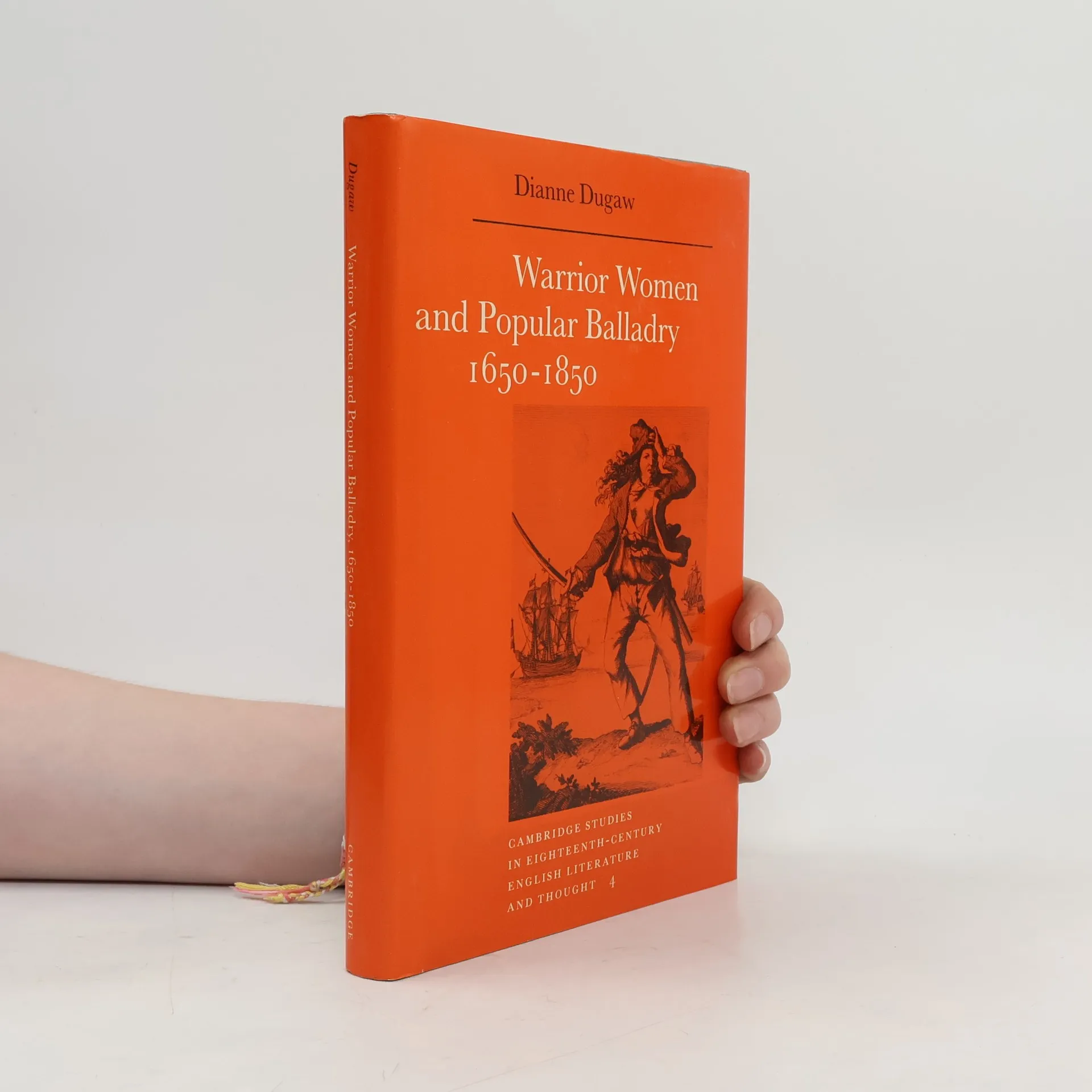
Dugaw's book documents the flourishing of the female warrior heroine in lower-class popular songs of the seventeenth and eighteenth centuries. In well over one hundred ballads during this period, the heroine masquerades as a man, going to war for love and glory. The author examines the ballads, their composition, sale and performance, and relates the warrior women to a wide range of contemporary contexts. These include everyday life for the lower-class population of the period (and especially for women), a wide array of literary forms using the motif of disguised women and raising issues relating to gender and masquerading, and the Western heroic ideal with its sexual and martial implications. This original study makes valuable connections between popular and polite literary forms, too often segregated in academic studies. From a stimulating feminist perspective, Dugaw addresses some timely and contentious issues in this study of refreshingly new source material.
Nákup knihy
Cambridge Studies in Eighteenth-Century English Literature and Thought - 4: Warrior Women and Popular Balladry 1650–1850, Dianne Dugaw
- Jazyk

- Rok vydání
- 1989
- Vazba
- (pevná)
Doručení
Platební metody
Nikdo zatím neohodnotil.
- Titul
- Cambridge Studies in Eighteenth-Century English Literature and Thought - 4: Warrior Women and Popular Balladry 1650–1850
- Jazyk
- anglicky
- Autoři
- Dianne Dugaw
- Vydavatel
- Cambridge University Press
- Rok vydání
- 1989
- Vazba
- pevná
- Počet stran
- 250
- ISBN10
- 0521372542
- ISBN13
- 9780521372541
- Série
- Štítky
- Hudební tématika, Anglie, Velká Británie, Literární kritika, Irsko, 18. století, Anglická poezie
- Anotace
- Dugaw's book documents the flourishing of the female warrior heroine in lower-class popular songs of the seventeenth and eighteenth centuries. In well over one hundred ballads during this period, the heroine masquerades as a man, going to war for love and glory. The author examines the ballads, their composition, sale and performance, and relates the warrior women to a wide range of contemporary contexts. These include everyday life for the lower-class population of the period (and especially for women), a wide array of literary forms using the motif of disguised women and raising issues relating to gender and masquerading, and the Western heroic ideal with its sexual and martial implications. This original study makes valuable connections between popular and polite literary forms, too often segregated in academic studies. From a stimulating feminist perspective, Dugaw addresses some timely and contentious issues in this study of refreshingly new source material.