

Více o knize
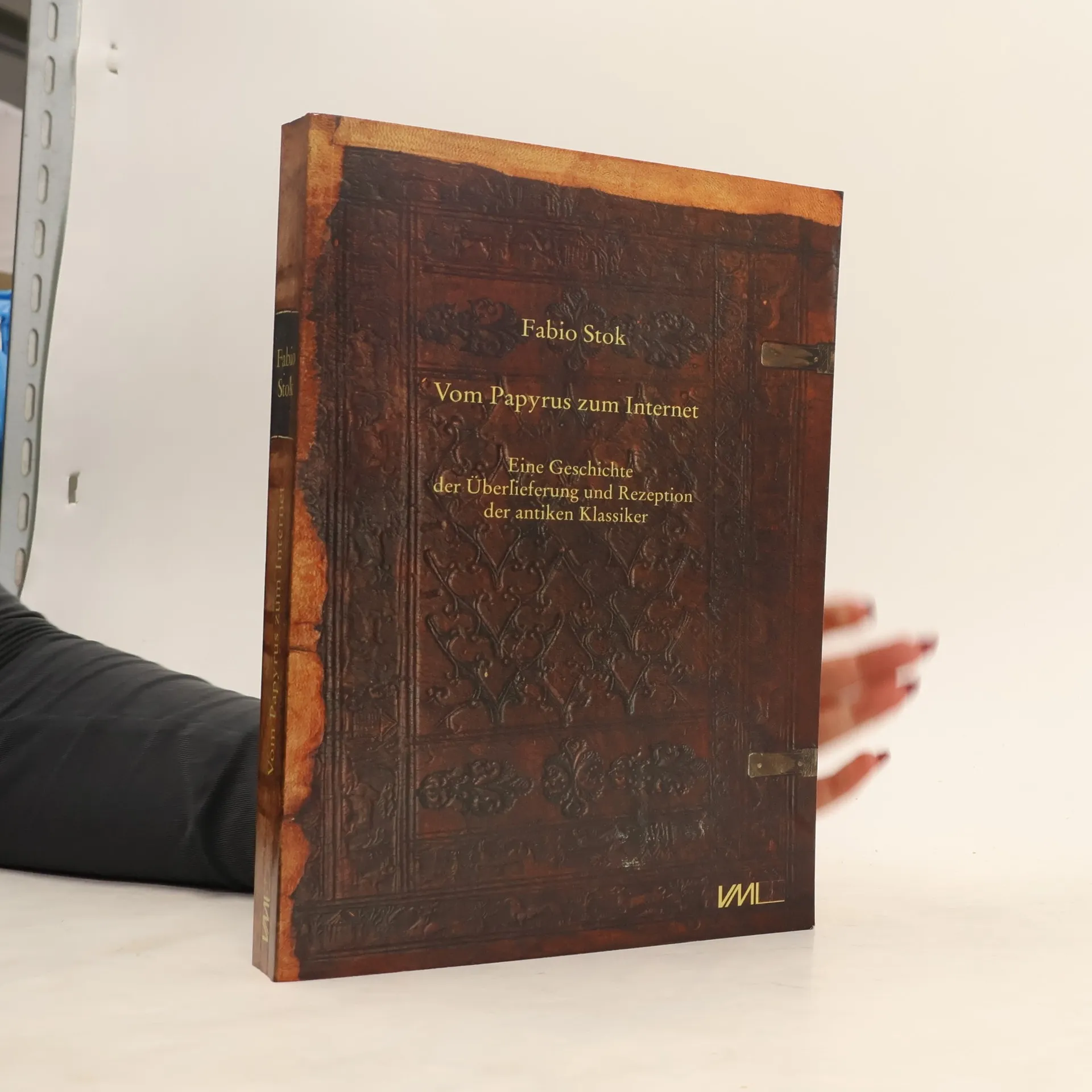
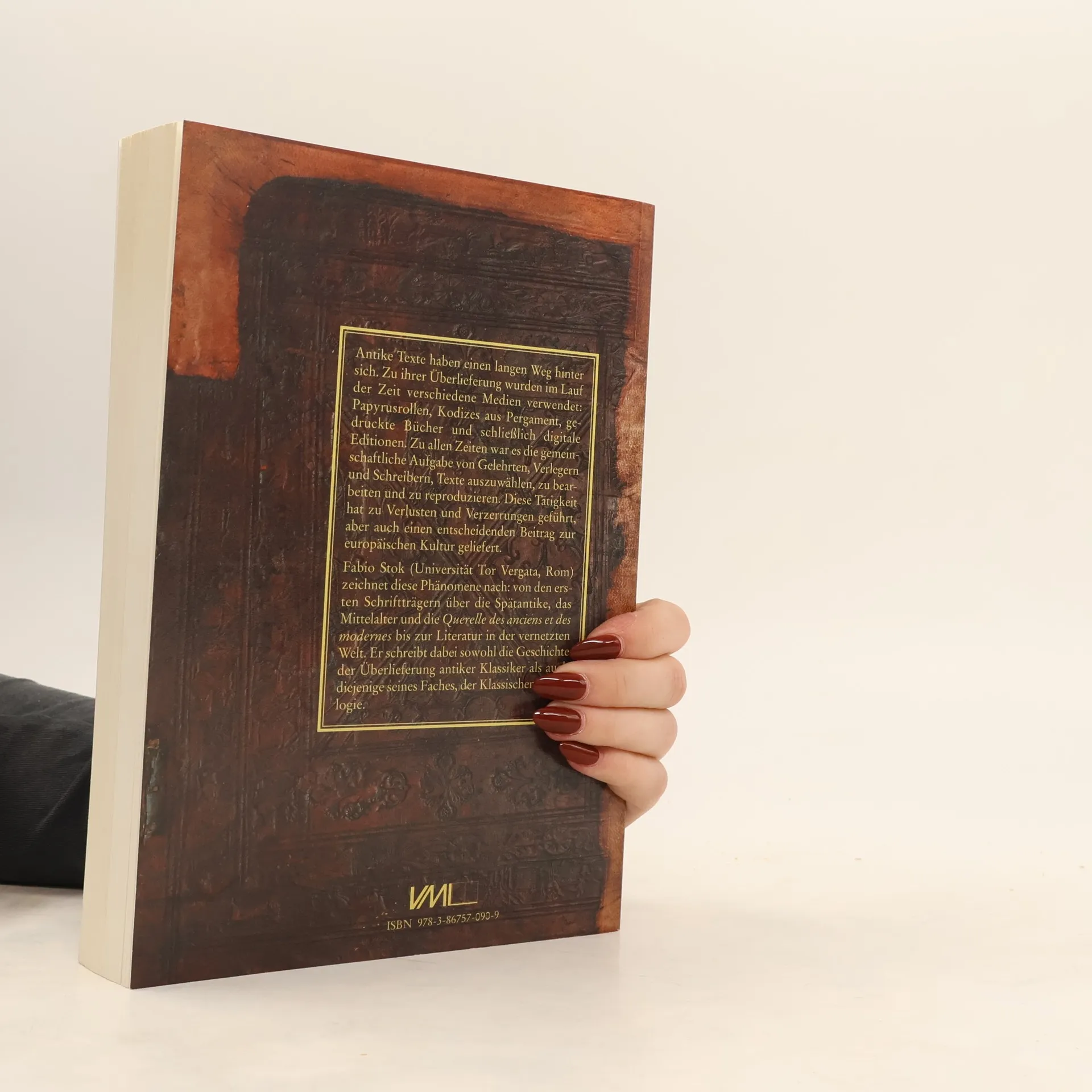
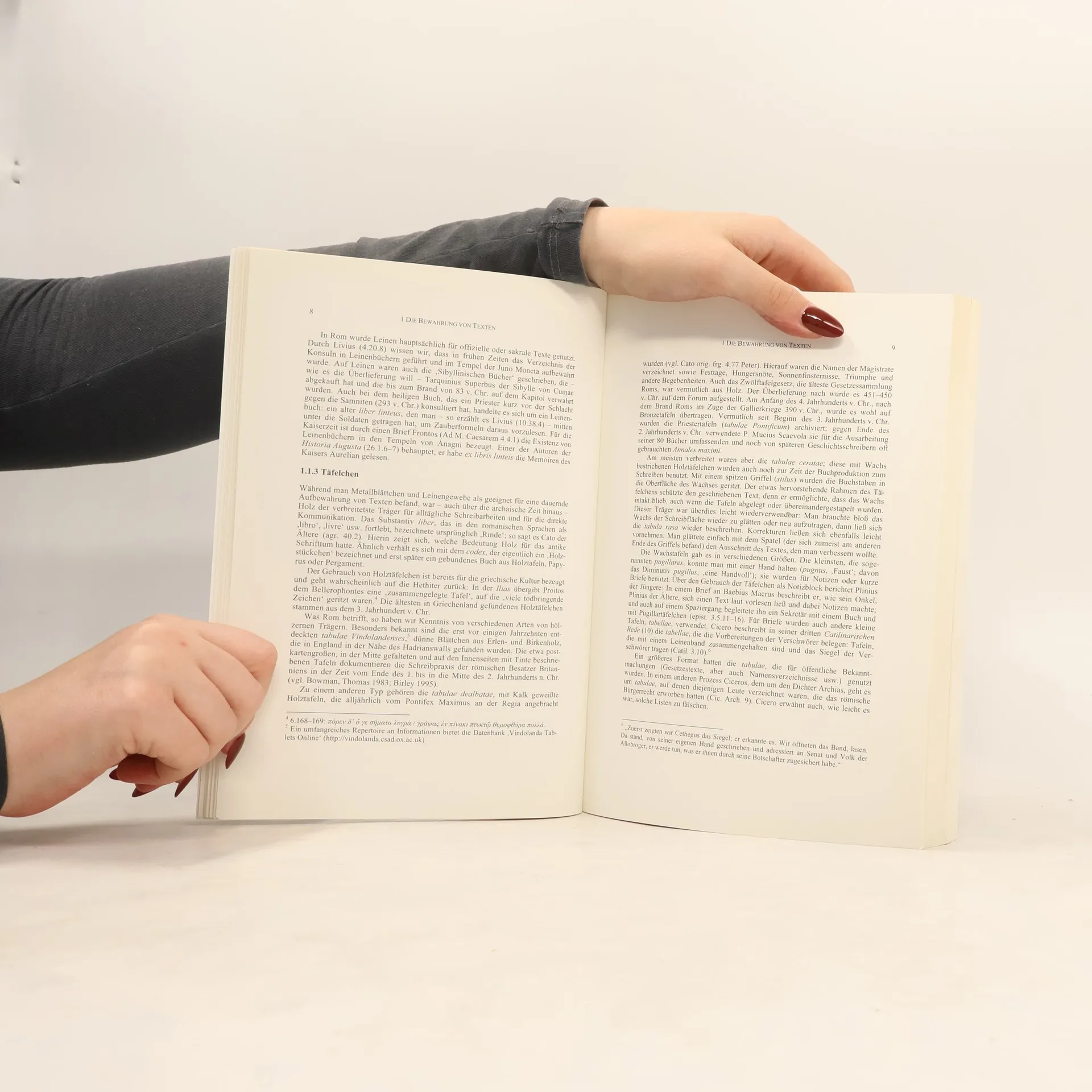
This book [published 2012 by Carocci editore, Rome] was written at Tor Vergata University in Rome and translated at Rostock University. It presents the history of the transmission and reception of Latin and Ancient Greek texts that have been read and interpreted in most different ways in the past 2,000 years. The choice of texts is owed to the selective and fixed relationship which we have always had with ancient writers. The six chapters of the volume deal with the preservation and loss of texts written on metal, linnen, wood, papyrus, parchment scrolls and codices and ancient libraries, with the transmission of texts as manuscripts including the questions of mistakes, forgeries, plagiarism, and text recovery, with the ups and downs of the reception of classical writers from Antiquity to the Middle Ages, with the relationship between classical texts and humanists, with the fate of the classical writers in the age of printed books from the first printed versions to modern editions according to the “Lachmann Method” as well as with classical literature in recent times from the decline of Latin to digital libraries. The books ends with a list of internet ressources, a bibliography, and a register.
Nákup knihy
Vom Papyrus zum Internet, Fabio Stok
- Jazyk

- Rok vydání
- 2017
- Vazba
- (měkká),
- Stav knihy
- Dobrá
- Cena
- 99 Kč
Nikdo zatím neohodnotil.
- Titul
- Vom Papyrus zum Internet
- Podtitul
- Eine Geschichte der Überlieferung und Rezeption der antiken Klassiker
- Jazyk
- německy
- Autoři
- Fabio Stok
- Vydavatel
- VML Verlag Marie Leidorf
- Rok vydání
- 2017
- Vazba
- měkká
- Počet stran
- 265
- ISBN10
- 3867570906
- ISBN13
- 9783867570909
- Série
- Štítky
- Historické téma, Filosofická tématika, Starověk, antika, Archeologie, Egypt, Latina, Literární historie, Starořečtina
- Anotace
- This book [published 2012 by Carocci editore, Rome] was written at Tor Vergata University in Rome and translated at Rostock University. It presents the history of the transmission and reception of Latin and Ancient Greek texts that have been read and interpreted in most different ways in the past 2,000 years. The choice of texts is owed to the selective and fixed relationship which we have always had with ancient writers. The six chapters of the volume deal with the preservation and loss of texts written on metal, linnen, wood, papyrus, parchment scrolls and codices and ancient libraries, with the transmission of texts as manuscripts including the questions of mistakes, forgeries, plagiarism, and text recovery, with the ups and downs of the reception of classical writers from Antiquity to the Middle Ages, with the relationship between classical texts and humanists, with the fate of the classical writers in the age of printed books from the first printed versions to modern editions according to the “Lachmann Method” as well as with classical literature in recent times from the decline of Latin to digital libraries. The books ends with a list of internet ressources, a bibliography, and a register.