

Více o knize
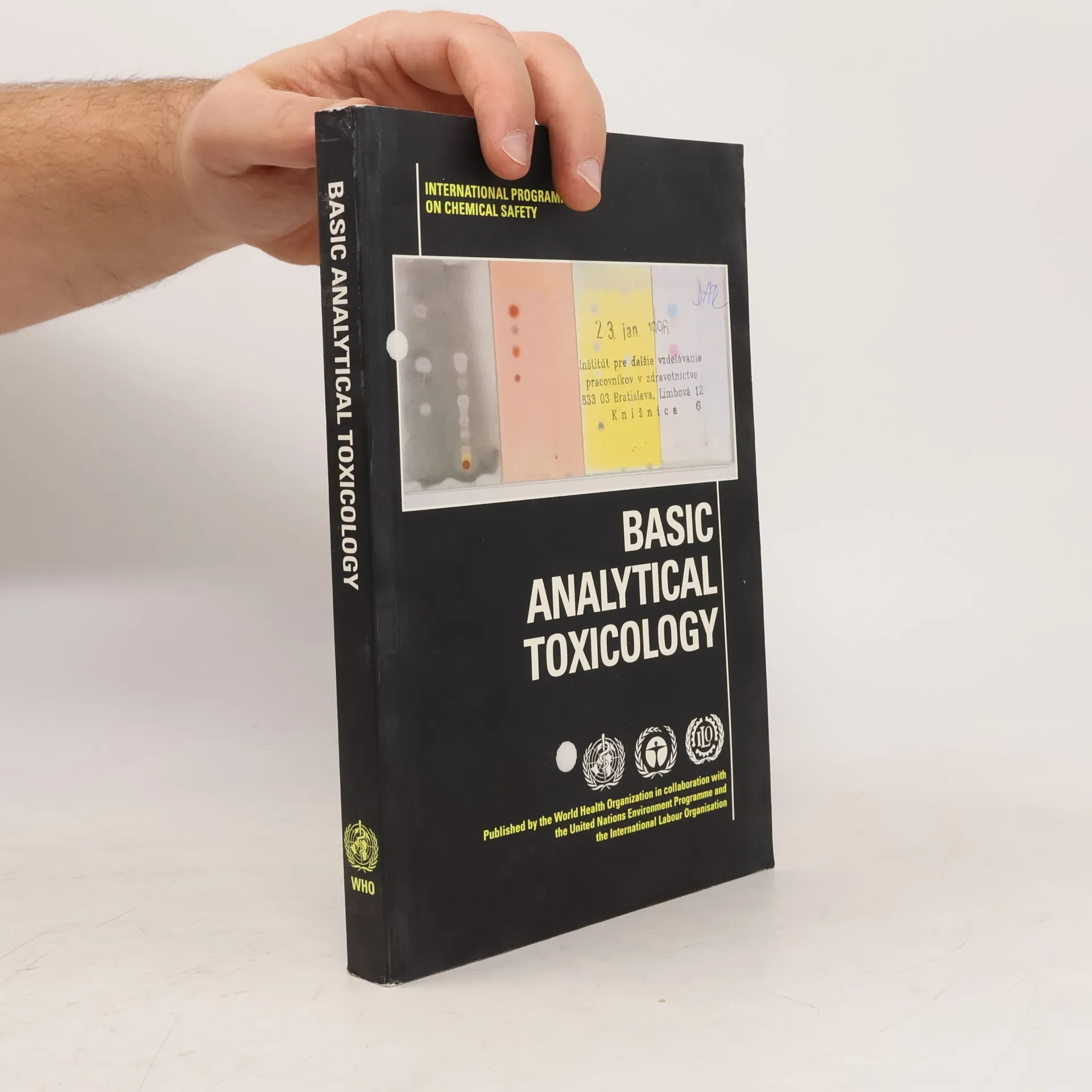
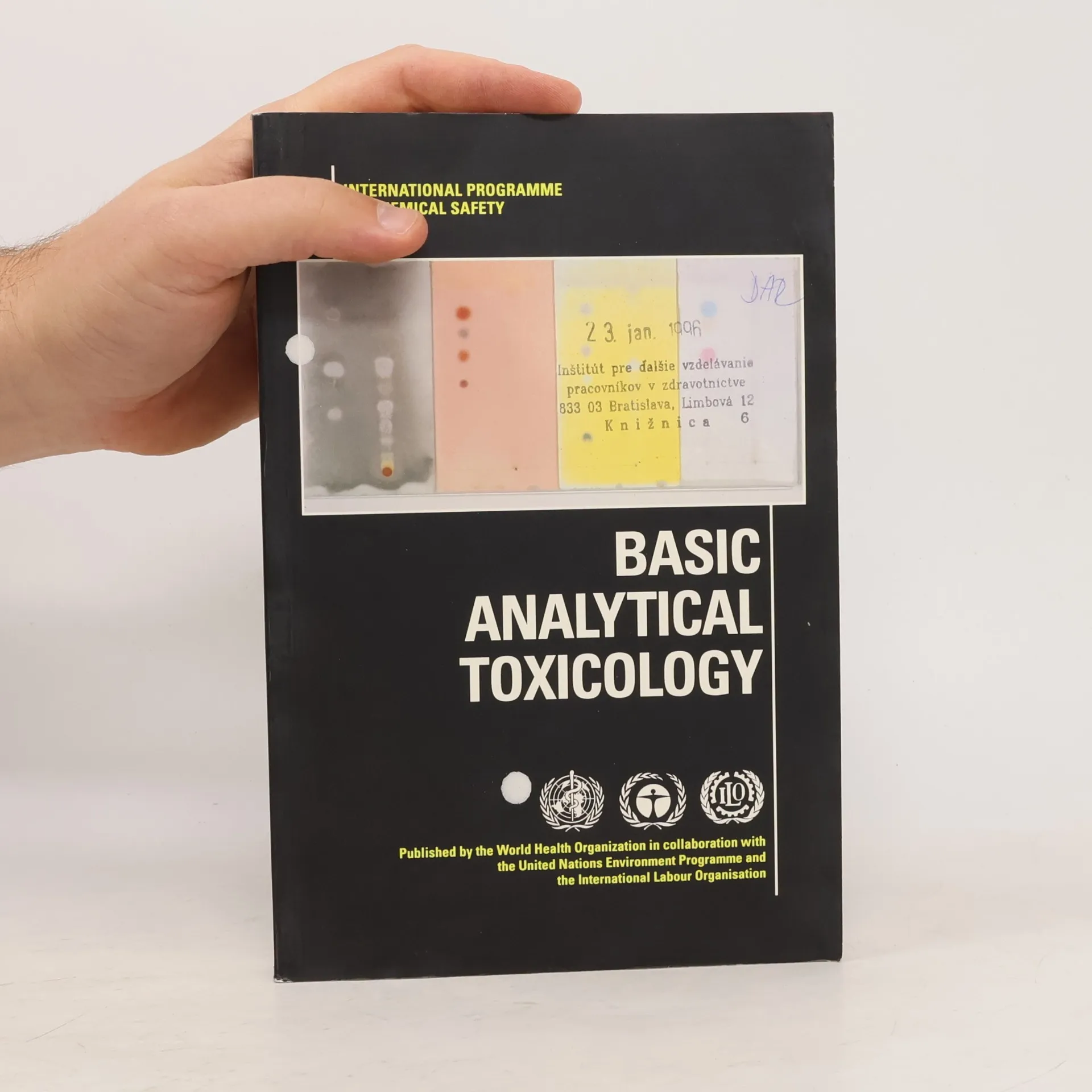
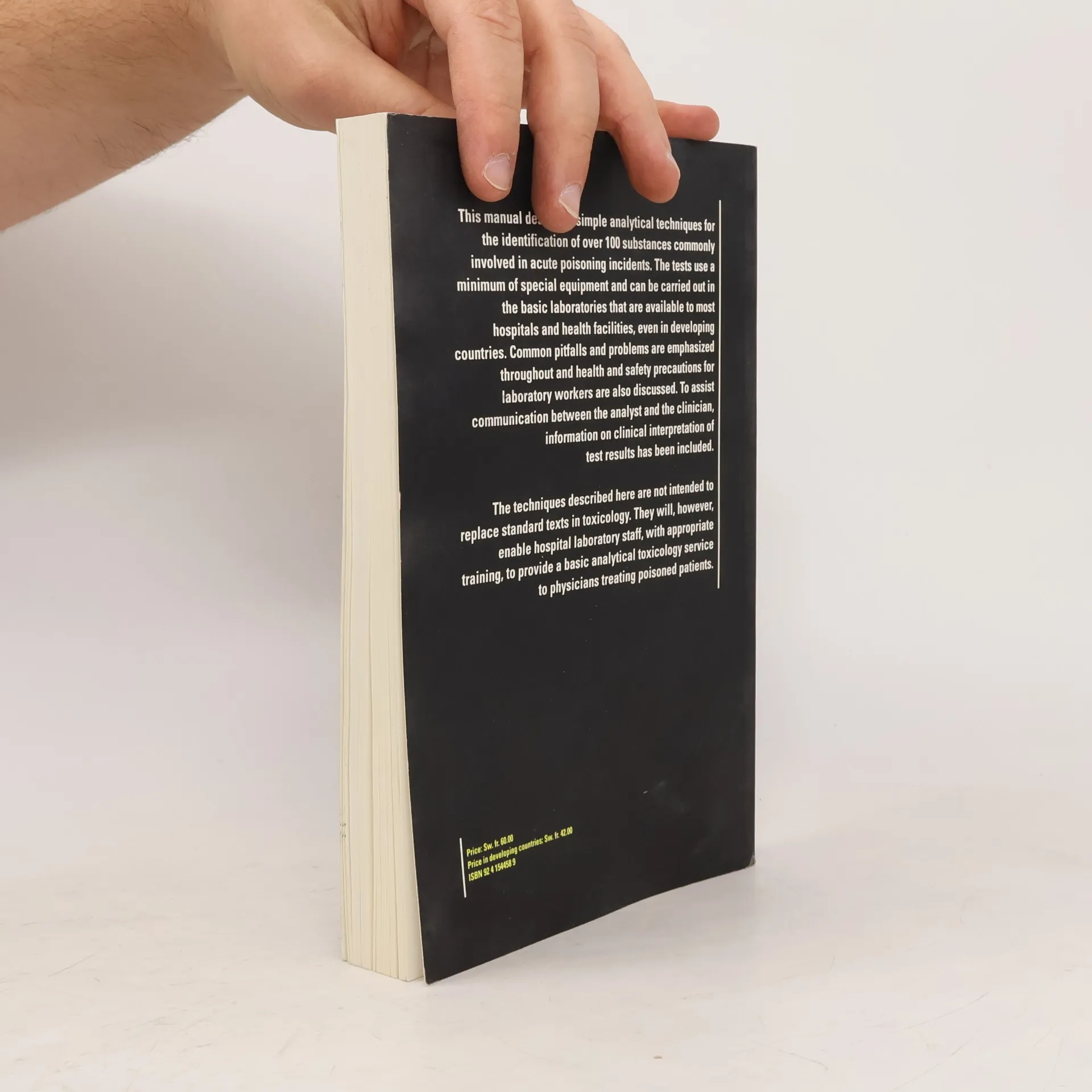
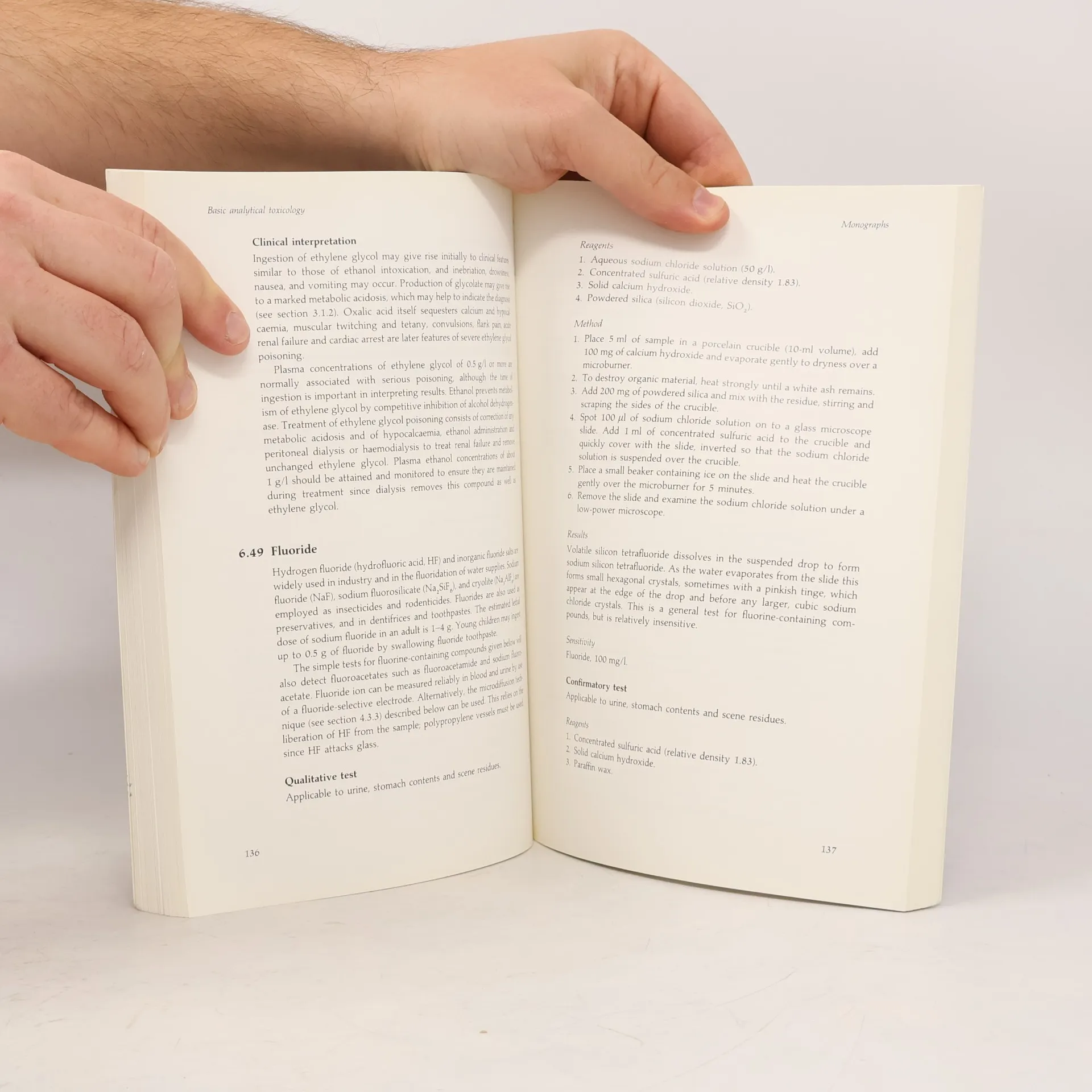
This practical guide focuses on laboratory analysis for over 100 substances commonly involved in acute poisoning cases. Recognizing that many hospitals, particularly in developing countries, lack analytical toxicology services, it aims to assist laboratory staff in conducting simple tests that yield rapid and reliable results for managing poisoning emergencies. The tests require no sophisticated equipment, expensive reagents, or constant electricity. The manual begins with general information about the organization and functions of an analytical toxicology laboratory, emphasizing safe laboratory practices and the essentials of emergency medicine and intensive care that impact laboratory operations. The core of the manual consists of two chapters detailing simple analytical tests for detecting and identifying poisons in biological fluids or materials found near patients. The first chapter outlines a three-part series of qualitative tests designed for routine, rapid screening, particularly useful when the poison's identity is unknown. The second, more extensive chapter offers step-by-step instructions for qualitative tests and some quantitative methods for 113 specific poisons or groups of poisons. The substances covered range from pesticides and industrial chemicals to household products, pharmaceuticals, plant toxins, and commonly abused drugs.
Nákup knihy
International Programme on Chemical Safety: Basic Analytical Toxicology, R. J. Flanagan, International Program on Chemical Safety, International Programme on Chemical Safety
- Jazyk

- Rok vydání
- 1995
- Vazba
- (měkká),
- Stav knihy
- Poškozená
- Cena
- 50 Kč
Nikdo zatím neohodnotil.
- Titul
- International Programme on Chemical Safety: Basic Analytical Toxicology
- Jazyk
- anglicky
- Autoři
- R. J. Flanagan, International Program on Chemical Safety, International Programme on Chemical Safety
- Vydavatel
- World Health Organization
- Rok vydání
- 1995
- Vazba
- měkká
- Počet stran
- 300
- ISBN10
- 9241544589
- ISBN13
- 9789241544580
- Série
- Anotace
- This practical guide focuses on laboratory analysis for over 100 substances commonly involved in acute poisoning cases. Recognizing that many hospitals, particularly in developing countries, lack analytical toxicology services, it aims to assist laboratory staff in conducting simple tests that yield rapid and reliable results for managing poisoning emergencies. The tests require no sophisticated equipment, expensive reagents, or constant electricity. The manual begins with general information about the organization and functions of an analytical toxicology laboratory, emphasizing safe laboratory practices and the essentials of emergency medicine and intensive care that impact laboratory operations. The core of the manual consists of two chapters detailing simple analytical tests for detecting and identifying poisons in biological fluids or materials found near patients. The first chapter outlines a three-part series of qualitative tests designed for routine, rapid screening, particularly useful when the poison's identity is unknown. The second, more extensive chapter offers step-by-step instructions for qualitative tests and some quantitative methods for 113 specific poisons or groups of poisons. The substances covered range from pesticides and industrial chemicals to household products, pharmaceuticals, plant toxins, and commonly abused drugs.