

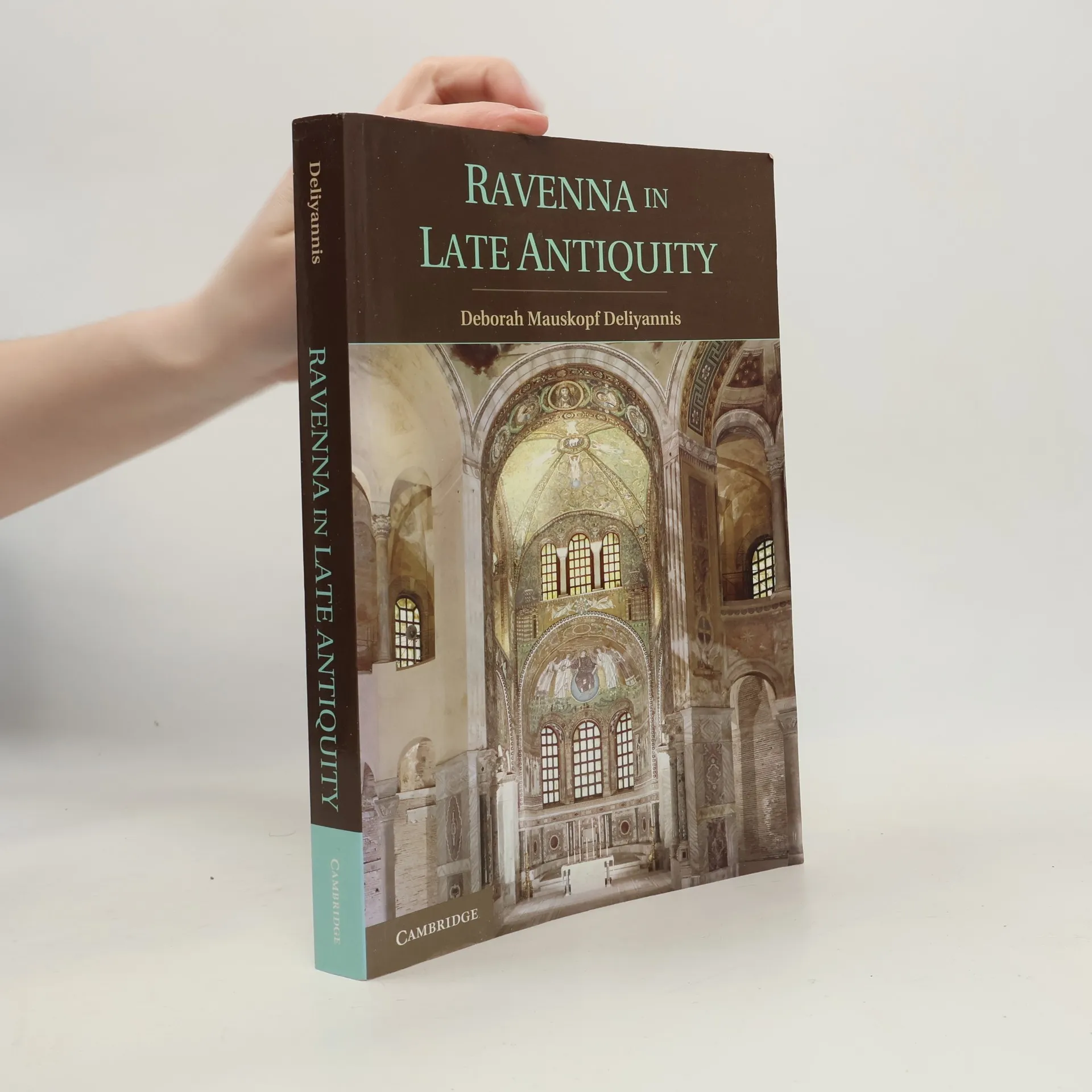

Ravenna in Late Antiquity
Parametry
- 460 stránek
- 17 hodin čtení
Více o knize
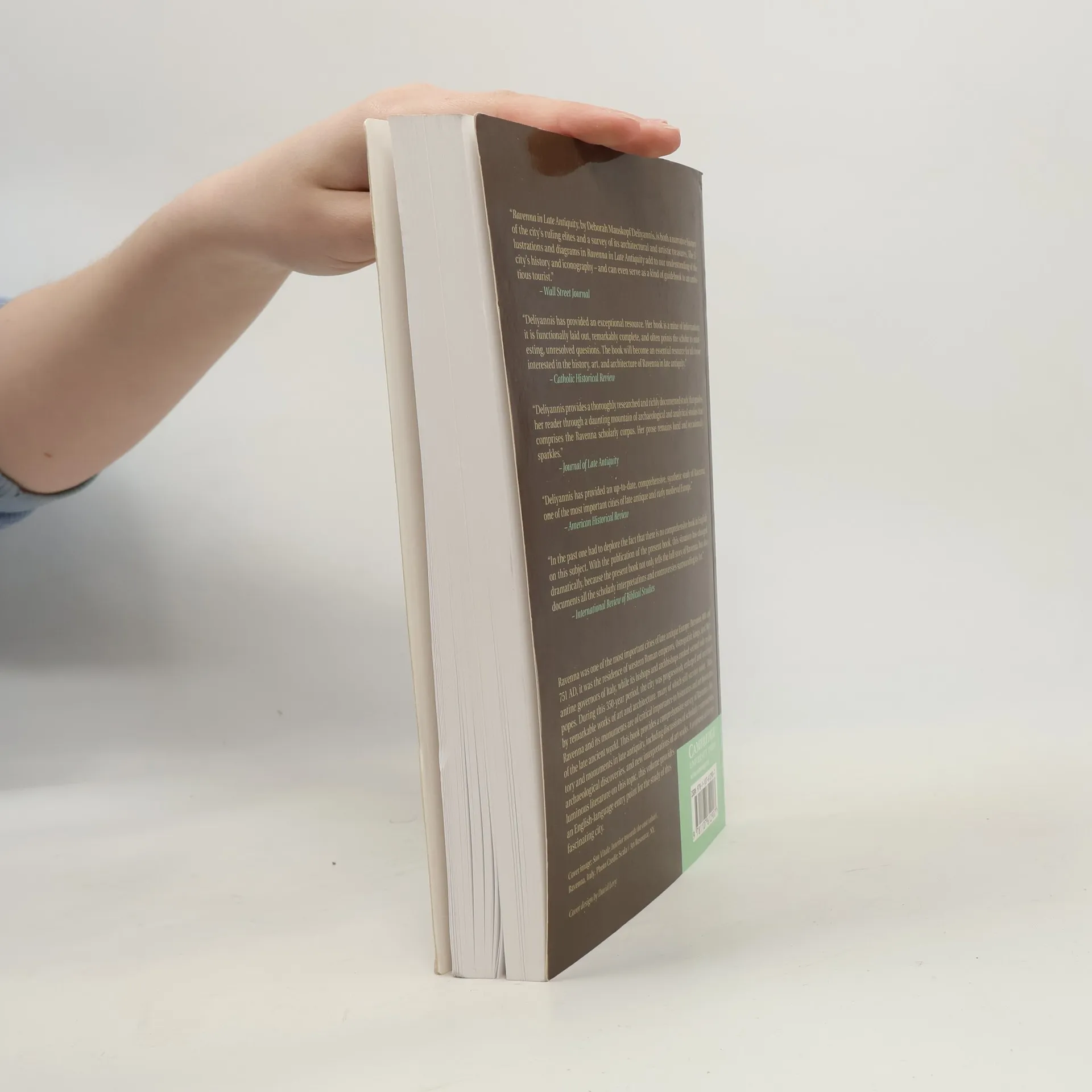
Ravenna was one of the most important cities of late antique Europe. Between 400 and 751 AD, it was the residence of western Roman emperors, Ostrogothic kings, and Byzantine governors of Italy, while its bishops and archbishops ranked second only to the popes. During this 350-year period, the city was progressively enlarged and enriched by remarkable works of art and architecture, many of which still survive today. Thus, Ravenna and its monuments are of critical importance to historians and art historians of the late ancient world. This book provides a comprehensive survey of Ravenna's history and monuments in late antiquity, including discussions of scholarly controversies, archaeological discoveries, and new interpretations of art works. A synthesis of the voluminous literature on this topic, this volume provides an English-language entry point for the study of this fascinating city.
Nákup knihy
Ravenna in Late Antiquity, Deborah Mauskopf Deliyannis
- Jazyk

- Rok vydání
- 2014
- Vazba
- (měkká)
Doručení
Platební metody
Nikdo zatím neohodnotil.
- Titul
- Ravenna in Late Antiquity
- Jazyk
- anglicky
- Vydavatel
- Cambridge University Press
- Rok vydání
- 2014
- Vazba
- měkká
- Počet stran
- 460
- ISBN10
- 110761290X
- ISBN13
- 9781107612907
- Série
- Kategorie
- Štítky
- Historické téma, Umění, Architektura, Evropa, Jižní Evropa, Itálie, Historie umění, Starověk, antika, Historie Evropy, Archeologie, Historie architektury
- Anotace
- Ravenna was one of the most important cities of late antique Europe. Between 400 and 751 AD, it was the residence of western Roman emperors, Ostrogothic kings, and Byzantine governors of Italy, while its bishops and archbishops ranked second only to the popes. During this 350-year period, the city was progressively enlarged and enriched by remarkable works of art and architecture, many of which still survive today. Thus, Ravenna and its monuments are of critical importance to historians and art historians of the late ancient world. This book provides a comprehensive survey of Ravenna's history and monuments in late antiquity, including discussions of scholarly controversies, archaeological discoveries, and new interpretations of art works. A synthesis of the voluminous literature on this topic, this volume provides an English-language entry point for the study of this fascinating city.