

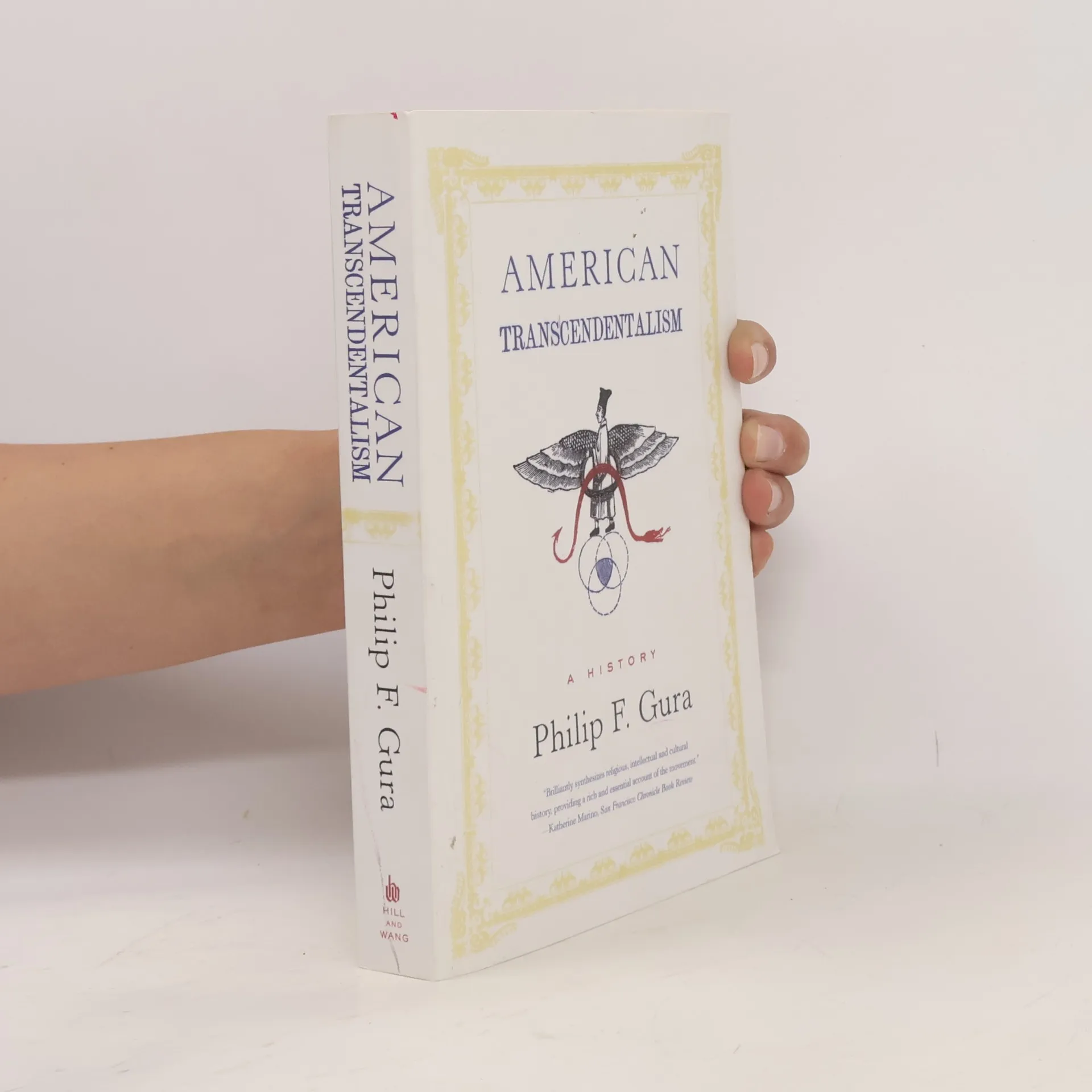


American Transcendentalism: A History
Autoři
Více o knize
American Transcendentalism is a sweeping narrative history of America's first group of public intellectuals, the men and women who defined American literature and indelibly marked American reform in the decades before and following the American Civil War. Philip F. Gura masterfully traces their intellectual genealogy to transatlantic religious and philosophical ideas, illustrating how these informed the fierce theological debates that, so often first in Massachusetts and eventually throughout America, gave rise to practical, personal, and quixotic attempts to improve, even perfect the world. The transcendentalists would painfully bifurcate over what could be attained and how, one half epitomized by Ralph Waldo Emerson and stressing self-reliant individualism, the other by Orestes Brownson, George Ripley, and Theodore Parker, emphasizing commitment to the larger social good. By the 1850s, transcendentalists turned ever more exclusively to abolition, and by war's end transcendentalism had become identified exclusively with Emersonian self-reliance, congruent with the national ethos of political liberalism and market capitalism. - Publisher
Nákup knihy
American Transcendentalism: A History, Philip F. Gura
- Jazyk

- Rok vydání
- 2008
- Vazba
- (měkká)
Doručení
Platební metody
Nikdo zatím neohodnotil.
- Titul
- American Transcendentalism: A History
- Jazyk
- anglicky
- Autoři
- Philip F. Gura
- Vydavatel
- St. Martins Press-3PL
- Rok vydání
- 2008
- Vazba
- měkká
- Počet stran
- 392
- ISBN10
- 0809016443
- ISBN13
- 9780809016440
- Série
- Štítky
- Historické téma, Filosofická tématika, Literatura faktu, 19. století, Víra, Historie USA, Sociální spravedlnost, Nová Anglie, Idealismus, Pragmatismus, Libertarianismus
- Anotace
- American Transcendentalism is a sweeping narrative history of America's first group of public intellectuals, the men and women who defined American literature and indelibly marked American reform in the decades before and following the American Civil War. Philip F. Gura masterfully traces their intellectual genealogy to transatlantic religious and philosophical ideas, illustrating how these informed the fierce theological debates that, so often first in Massachusetts and eventually throughout America, gave rise to practical, personal, and quixotic attempts to improve, even perfect the world. The transcendentalists would painfully bifurcate over what could be attained and how, one half epitomized by Ralph Waldo Emerson and stressing self-reliant individualism, the other by Orestes Brownson, George Ripley, and Theodore Parker, emphasizing commitment to the larger social good. By the 1850s, transcendentalists turned ever more exclusively to abolition, and by war's end transcendentalism had become identified exclusively with Emersonian self-reliance, congruent with the national ethos of political liberalism and market capitalism. - Publisher