



Více o knize
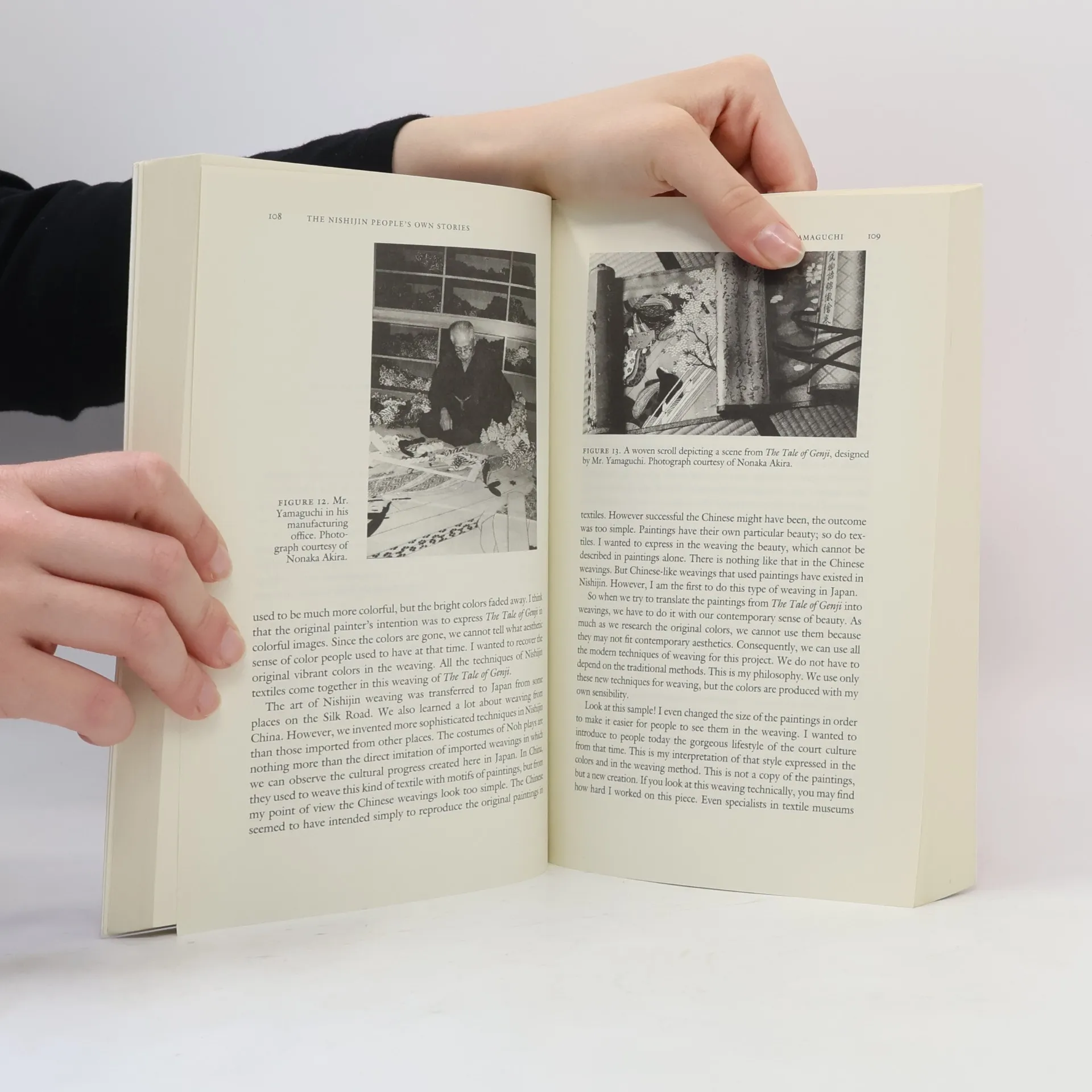
The makers of obi, the elegant and costly sash worn over kimono in Japan, belong to an endangered species. These families of manufacturers, weavers, and other craftspeople centered in the Nishijin weaving district of Kyoto have practiced their demanding craft for generations. In recent decades, however, as a result of declining markets for kimono, they find their livelihood and pride harder to sustain. This book is a poignant exploration of a vanishing world. Tamara Hareven integrates historical research with intensive life history interviews to reveal the relationships among family, work, and community in this highly specialized occupation.Hareven uses her knowledge of textile workers' lives in the United States and Western Europe to show how striking similarities in weavers' experiences transcend cultural differences. These very rich personal testimonies, taken over a decade and a half, provide insight into how these men and women have juggled family and work roles and coped with insecurities. Readers can learn firsthand how weavers perceive their craft and how they interpret their lives and view the world around them. With rare immediacy, The Silk Weavers of Kyoto captures a way of life that is rapidly disappearing.
Nákup knihy
The Silk Weavers of Kyoto, Tamara K. Hareven
- Jazyk

- Rok vydání
- 2002
- Vazba
- (měkká)
Nikdo zatím neohodnotil.
- Titul
- The Silk Weavers of Kyoto
- Podtitul
- Family and Work in a Changing Traditional Industry
- Jazyk
- anglicky
- Autoři
- Tamara K. Hareven
- Vydavatel
- University of California Press
- Rok vydání
- 2002
- Vazba
- měkká
- Počet stran
- 347
- ISBN10
- 0520228189
- ISBN13
- 9780520228184
- Série
- Kategorie
- Štítky
- Historické téma, Byznys, Politika, Vztahy, Japonsko, Asie, Politické teorie, Zaměstnání, Kariéra, Japonská kultura, Sociální skupiny
- Anotace
- The makers of obi, the elegant and costly sash worn over kimono in Japan, belong to an endangered species. These families of manufacturers, weavers, and other craftspeople centered in the Nishijin weaving district of Kyoto have practiced their demanding craft for generations. In recent decades, however, as a result of declining markets for kimono, they find their livelihood and pride harder to sustain. This book is a poignant exploration of a vanishing world. Tamara Hareven integrates historical research with intensive life history interviews to reveal the relationships among family, work, and community in this highly specialized occupation.Hareven uses her knowledge of textile workers' lives in the United States and Western Europe to show how striking similarities in weavers' experiences transcend cultural differences. These very rich personal testimonies, taken over a decade and a half, provide insight into how these men and women have juggled family and work roles and coped with insecurities. Readers can learn firsthand how weavers perceive their craft and how they interpret their lives and view the world around them. With rare immediacy, The Silk Weavers of Kyoto captures a way of life that is rapidly disappearing.