

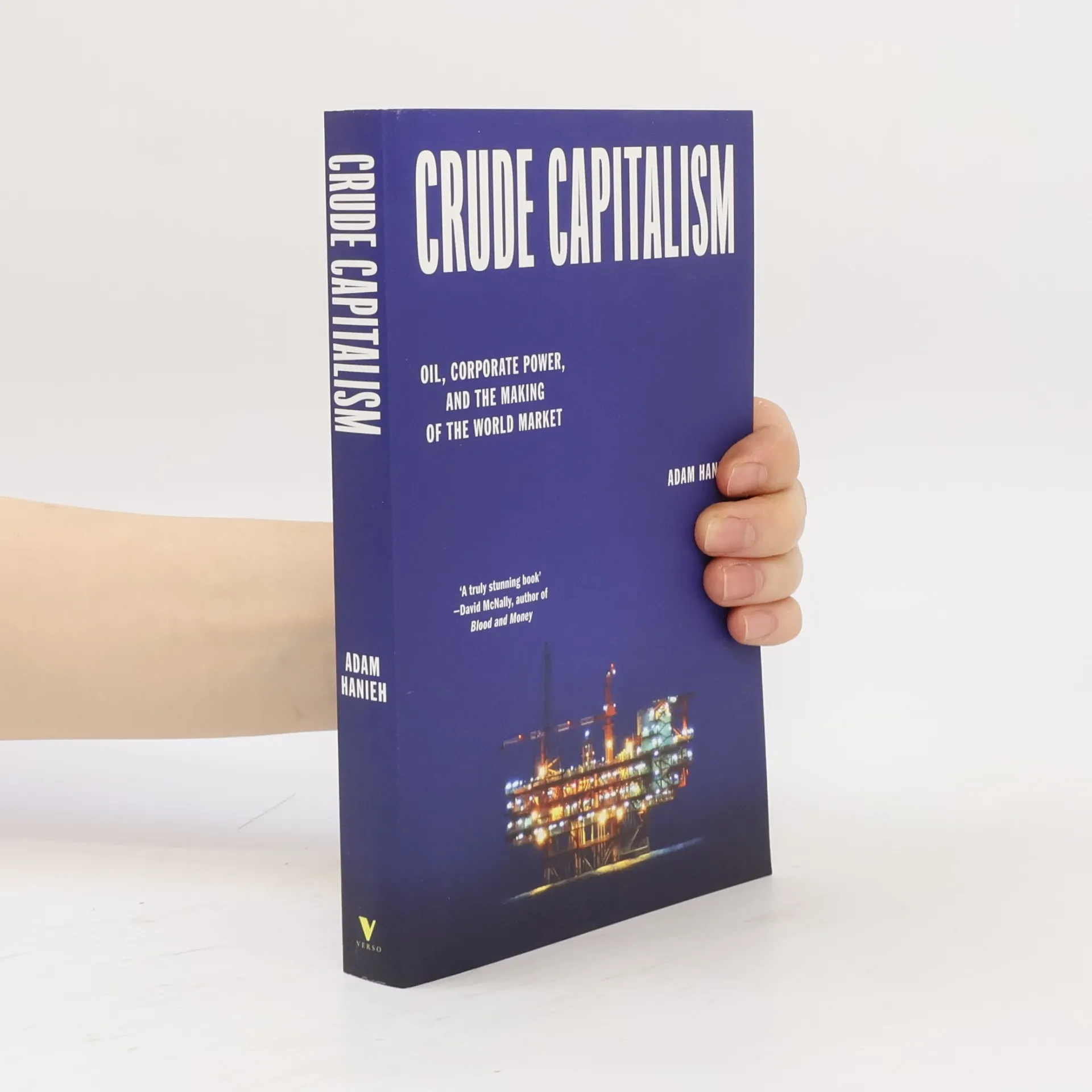


Crude Capitalism
Oil, Corporate Power, and the Making of the World Market
Autoři
Parametry
- 336 stránek
- 12 hodin čtení
Více o knize
This expansive history explores the intricate ties between oil and capitalism from the late 1800s to the present climate crisis. It goes beyond simplistic views of oil as merely a 'prize' or 'curse' and reveals how deeply oil is interwoven into the fabric of modern life, influencing the rise of an American-centered global order, the collapse of empires, anti-colonial movements, contemporary finance, US dollar dominance, militarism, and new forms of synthetic consumption. Oil is much more than just an energy source; it is foundational to various aspects of contemporary existence, making it essential to address its role in any challenge to the fossil fuel industry. The narrative examines the diverse geographies of oil, including the emergence of OPEC, the significance of revolutionary and Post-Soviet Russia, the vital role of African upstream reserves, and the new petrochemical networks connecting the Middle East, China, and East Asia. The book offers a detailed empirical analysis of corporate ownership and control in refining and petrochemicals. By uncovering these power structures and situating oil within capitalism, it significantly contributes to discussions on oil dependency and the fight for climate justice.
Nákup knihy
Crude Capitalism, Adam Hanieh
- Jazyk

- Rok vydání
- 2025
- Vazba
- (měkká)
Doručení
Platební metody
Nikdo zatím neohodnotil.
- Titul
- Crude Capitalism
- Podtitul
- Oil, Corporate Power, and the Making of the World Market
- Jazyk
- anglicky
- Autoři
- Adam Hanieh
- Vydavatel
- Verso Books
- Rok vydání
- 2025
- Vazba
- měkká
- Počet stran
- 336
- ISBN10
- 1839763434
- ISBN13
- 9781839763434
- Série
- Kategorie
- Štítky
- Historické téma, Byznys, Politika, Ekologická tématika, Politické teorie, Finance, Klimatické změny, Průmysl, Občanské právo, Globalizace, Kapitalismus, Energie, Geopolitika, Vláda, Krize, Aktivismus, Politická ekonomie, Politická filozofie, Pandemie, Světová politika, Imperialismus, Kapitál, Levice, Fosilní paliva
- Anotace
- This expansive history explores the intricate ties between oil and capitalism from the late 1800s to the present climate crisis. It goes beyond simplistic views of oil as merely a 'prize' or 'curse' and reveals how deeply oil is interwoven into the fabric of modern life, influencing the rise of an American-centered global order, the collapse of empires, anti-colonial movements, contemporary finance, US dollar dominance, militarism, and new forms of synthetic consumption. Oil is much more than just an energy source; it is foundational to various aspects of contemporary existence, making it essential to address its role in any challenge to the fossil fuel industry. The narrative examines the diverse geographies of oil, including the emergence of OPEC, the significance of revolutionary and Post-Soviet Russia, the vital role of African upstream reserves, and the new petrochemical networks connecting the Middle East, China, and East Asia. The book offers a detailed empirical analysis of corporate ownership and control in refining and petrochemicals. By uncovering these power structures and situating oil within capitalism, it significantly contributes to discussions on oil dependency and the fight for climate justice.