

Více o knize
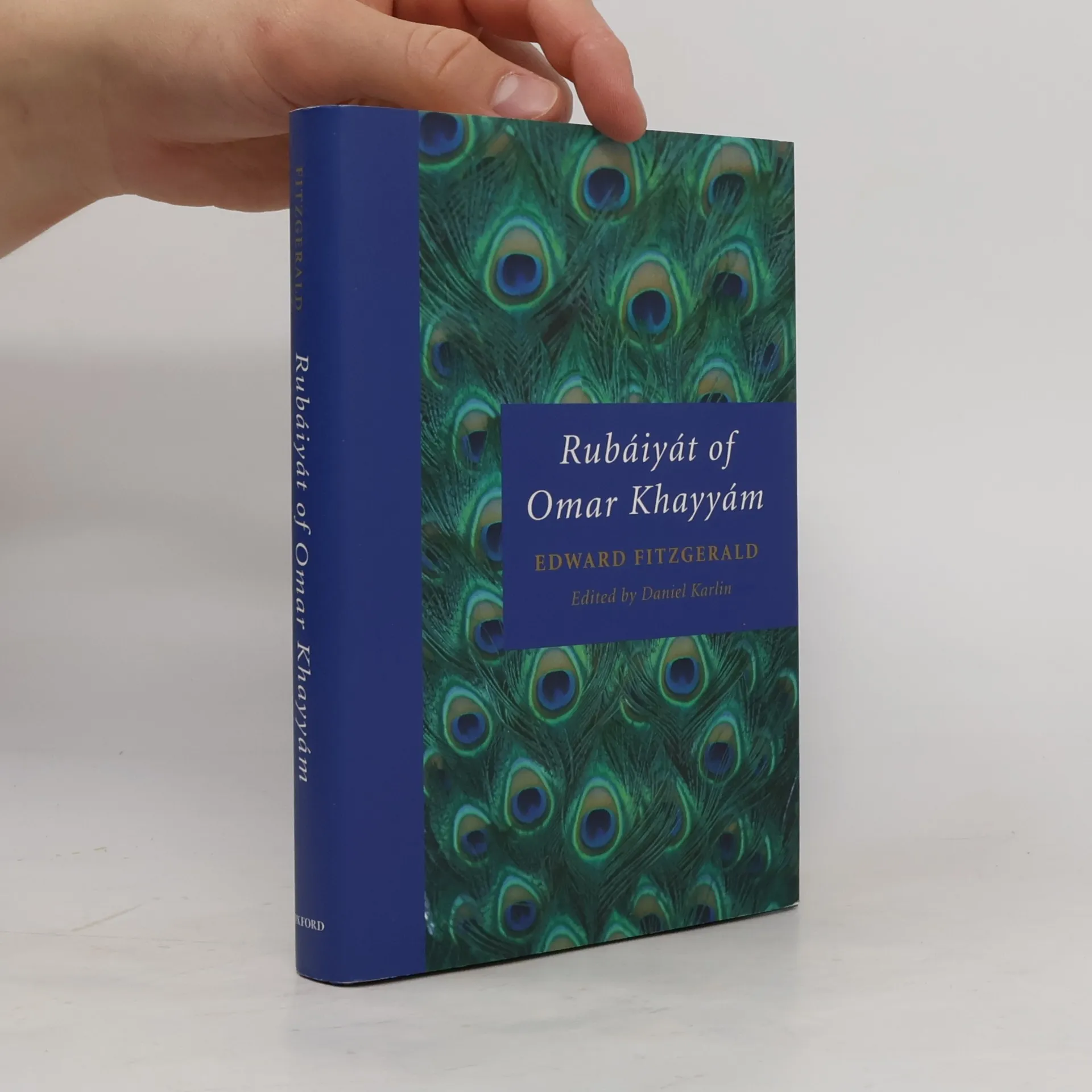
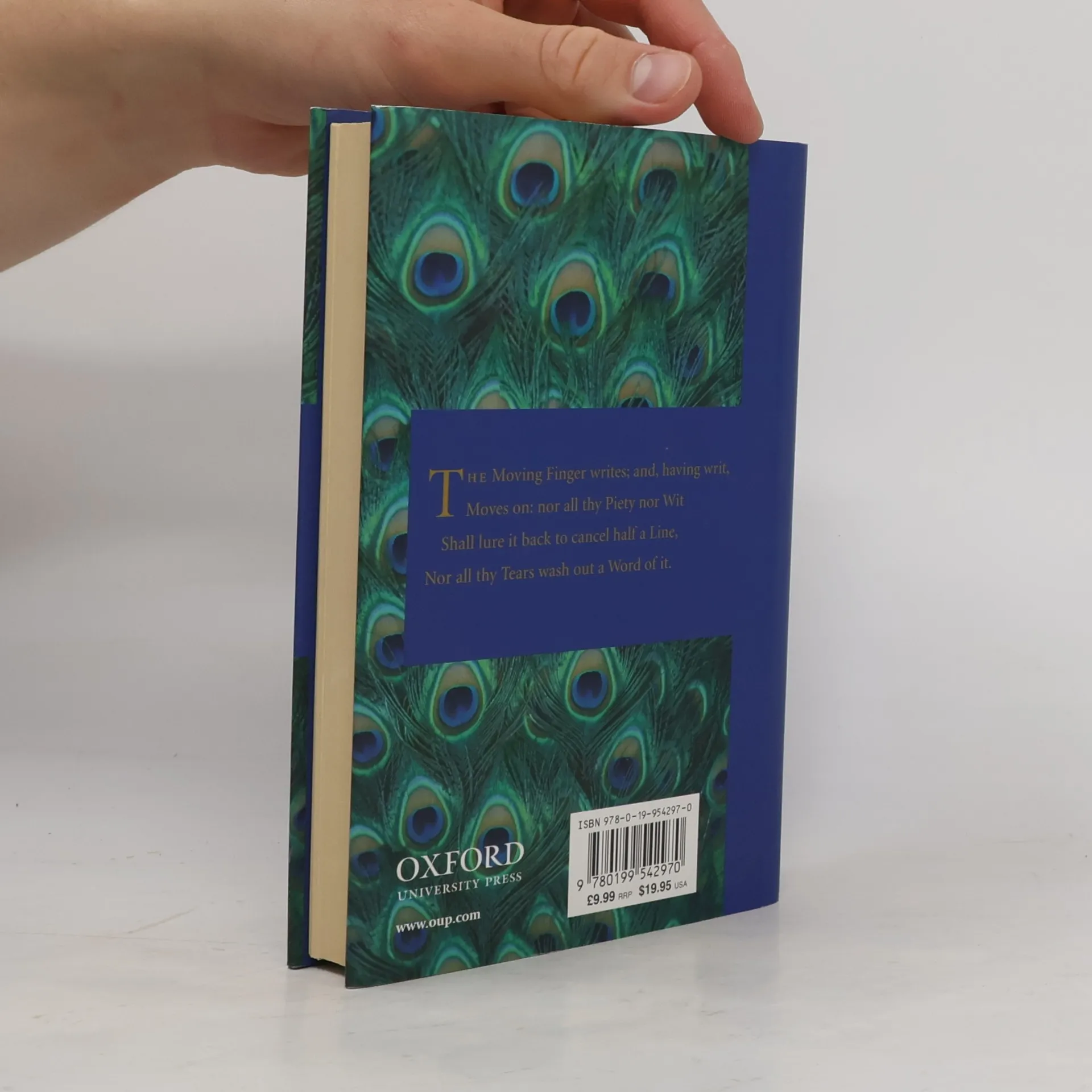
'The Moving Finger writes; and, having writ, Moves on: nor all thy Piety nor Wit Shall lure it back to cancel half a Line, Nor all thy Tears wash out a Word of it.' In the 'rub--aacute--;iy--aacute--;t' (short epigrammatic poems) of the medieval Persian poet, mathematician, and philosopher Omar Khayy--aacute--;m, Edward FitzGerald saw an unflinching challenge to the illusions and consolations of mankind in every age. His version of Omar is neither a translation nor an independent poem; sceptical of divine providence and insistent on the pleasure of the passing moment, its 'Orientalism' offers FitzGerald a powerful and distinctive voice, in whose accents a whole Victorian generation comes to life. Although the poem's vision is bleak, it is conveyed in some of the most beautiful and haunting images in English poetry - and some of the sharpest-edged. The poem sold no copies at all on its appearance in 1859, yet when it was 'discovered' two years later its first readers and admirers included Dante Gabriel Rossetti, Swinburne, and Ruskin. By the end of the century it was one of the best-known poems in the English language. Daniel Karlin's richly annotated edition does justice to the scope and complexity of FitzGerald's lyrical meditation on 'human death and fate'.
Nákup knihy
Oxford World's Classics: Rubáiyát of Omar Khayyám, Khayyám Omar, Edward Purcell, Daniel Karlin
- Jazyk

- Rok vydání
- 2009
- Vazba
- (pevná)
Doručení
Platební metody
Nikdo zatím neohodnotil.
- Titul
- Oxford World's Classics: Rubáiyát of Omar Khayyám
- Jazyk
- anglicky
- Autoři
- Khayyám Omar, Edward Purcell, Daniel Karlin
- Vydavatel
- Oxford University Press
- Rok vydání
- 2009
- Vazba
- pevná
- Počet stran
- 167
- ISBN10
- 019954297X
- ISBN13
- 9780199542970
- Série
- Štítky
- Anotace
- 'The Moving Finger writes; and, having writ, Moves on: nor all thy Piety nor Wit Shall lure it back to cancel half a Line, Nor all thy Tears wash out a Word of it.' In the 'rub--aacute--;iy--aacute--;t' (short epigrammatic poems) of the medieval Persian poet, mathematician, and philosopher Omar Khayy--aacute--;m, Edward FitzGerald saw an unflinching challenge to the illusions and consolations of mankind in every age. His version of Omar is neither a translation nor an independent poem; sceptical of divine providence and insistent on the pleasure of the passing moment, its 'Orientalism' offers FitzGerald a powerful and distinctive voice, in whose accents a whole Victorian generation comes to life. Although the poem's vision is bleak, it is conveyed in some of the most beautiful and haunting images in English poetry - and some of the sharpest-edged. The poem sold no copies at all on its appearance in 1859, yet when it was 'discovered' two years later its first readers and admirers included Dante Gabriel Rossetti, Swinburne, and Ruskin. By the end of the century it was one of the best-known poems in the English language. Daniel Karlin's richly annotated edition does justice to the scope and complexity of FitzGerald's lyrical meditation on 'human death and fate'.