

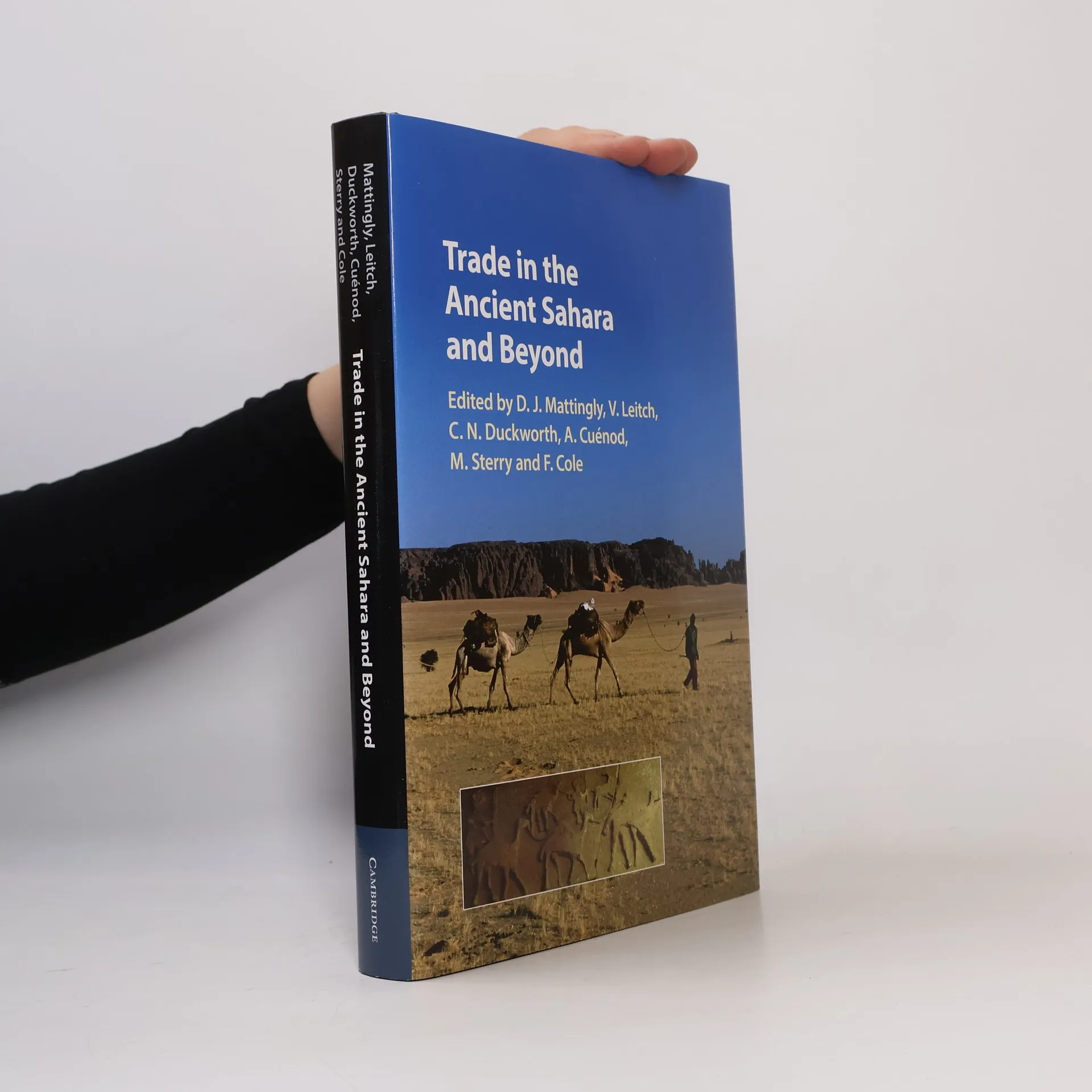
Trans-Saharan Archaeology: Trade in the Ancient Sahara and Beyond
Více o knize
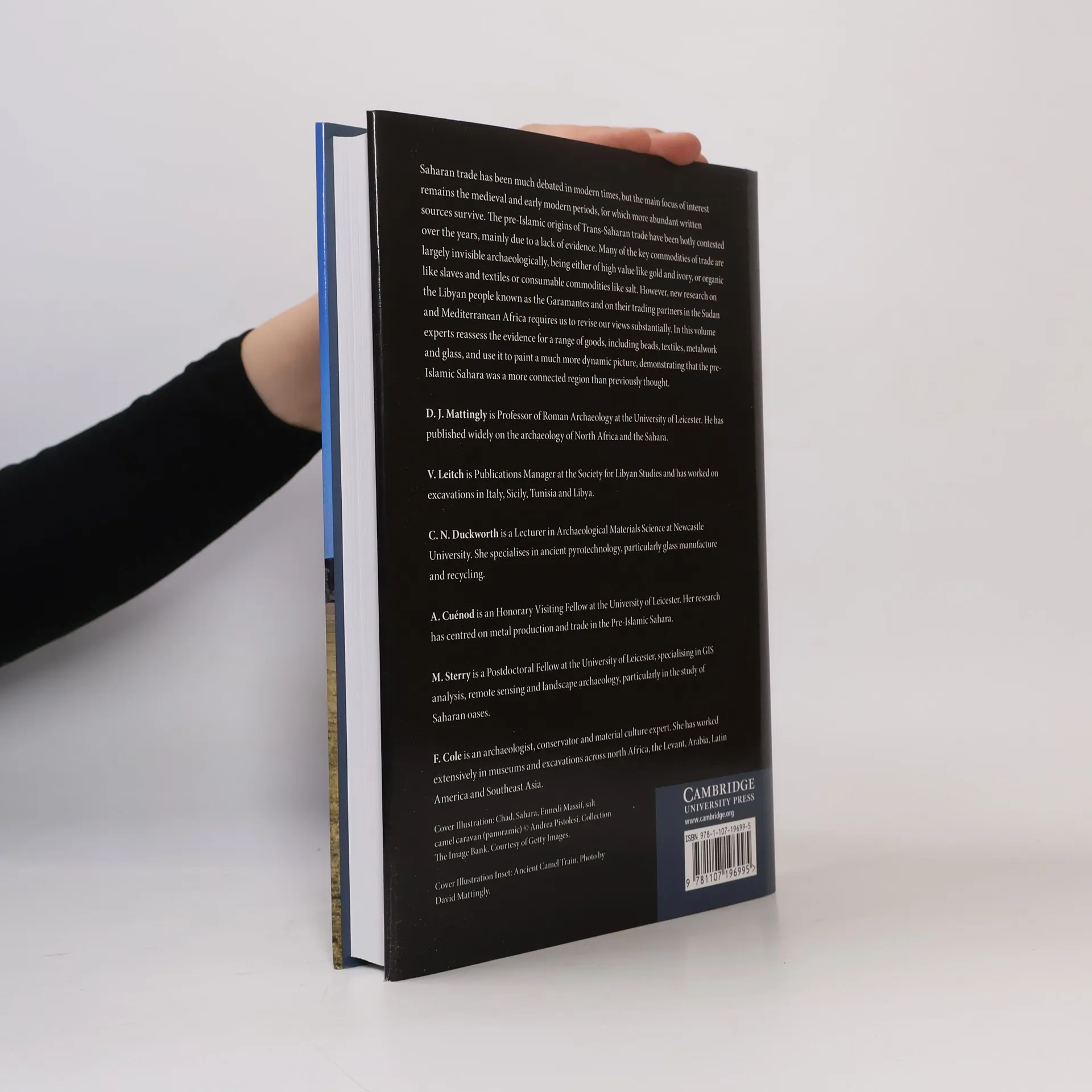
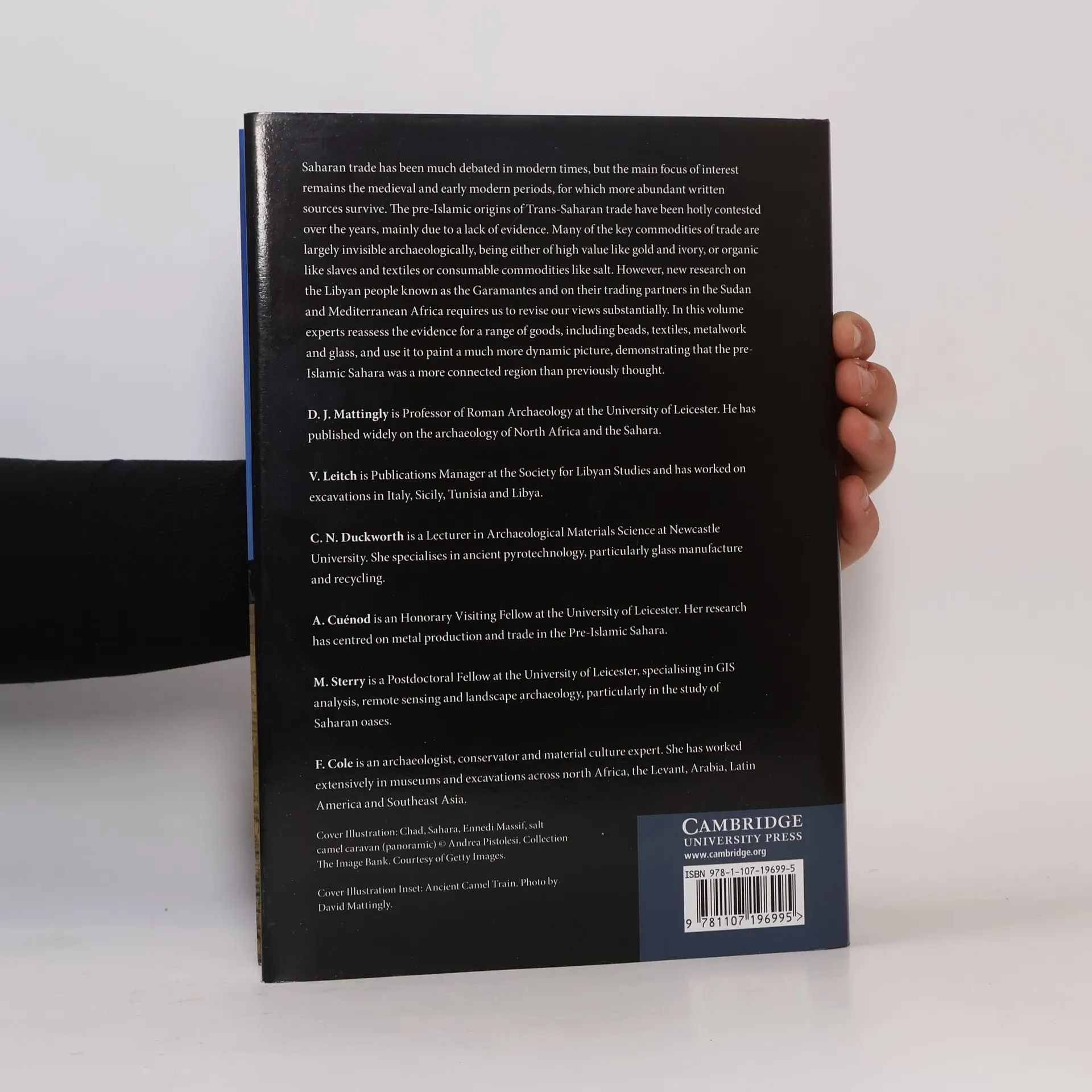
Saharan trade has been much debated in modern times, but the main focus of interest remains the medieval and early modern periods, for which more abundant written sources survive. The pre-Islamic origins of Trans-Saharan trade have been hotly contested over the years, mainly due to a lack of evidence. Many of the key commodities of trade are largely invisible archaeologically, being either of high value like gold and ivory, or organic like slaves and textiles or consumable commodities like salt. However, new research on the Libyan people known as the Garamantes and on their trading partners in the Sudan and Mediterranean Africa requires us to revise our views substantially. In this volume experts re-assess the evidence for a range of goods, including beads, textiles, metalwork and glass, and use it to paint a much more dynamic picture, demonstrating that the pre-Islamic Sahara was a more connected region than previously thought.
Nákup knihy
Trans-Saharan Archaeology: Trade in the Ancient Sahara and Beyond, Toby F. Coley, A. Cuénod, M. Sterry, V. Leitch, C. N. Duckworth, David J. Mattingly
- Jazyk

- Rok vydání
- 2017
- Vazba
- (pevná)
Doručení
Platební metody
Nikdo zatím neohodnotil.
- Titul
- Trans-Saharan Archaeology: Trade in the Ancient Sahara and Beyond
- Jazyk
- anglicky
- Vydavatel
- Cambridge University Press
- Rok vydání
- 2017
- Vazba
- pevná
- Počet stran
- 480
- ISBN10
- 110719699X
- ISBN13
- 9781107196995
- Série
- Štítky
- Historické téma, Byznys, Afrika, Archeologie, Sebrané spisy, Afroamerická literatura, Obchodní stezky
- Anotace
- Saharan trade has been much debated in modern times, but the main focus of interest remains the medieval and early modern periods, for which more abundant written sources survive. The pre-Islamic origins of Trans-Saharan trade have been hotly contested over the years, mainly due to a lack of evidence. Many of the key commodities of trade are largely invisible archaeologically, being either of high value like gold and ivory, or organic like slaves and textiles or consumable commodities like salt. However, new research on the Libyan people known as the Garamantes and on their trading partners in the Sudan and Mediterranean Africa requires us to revise our views substantially. In this volume experts re-assess the evidence for a range of goods, including beads, textiles, metalwork and glass, and use it to paint a much more dynamic picture, demonstrating that the pre-Islamic Sahara was a more connected region than previously thought.