


Více o knize
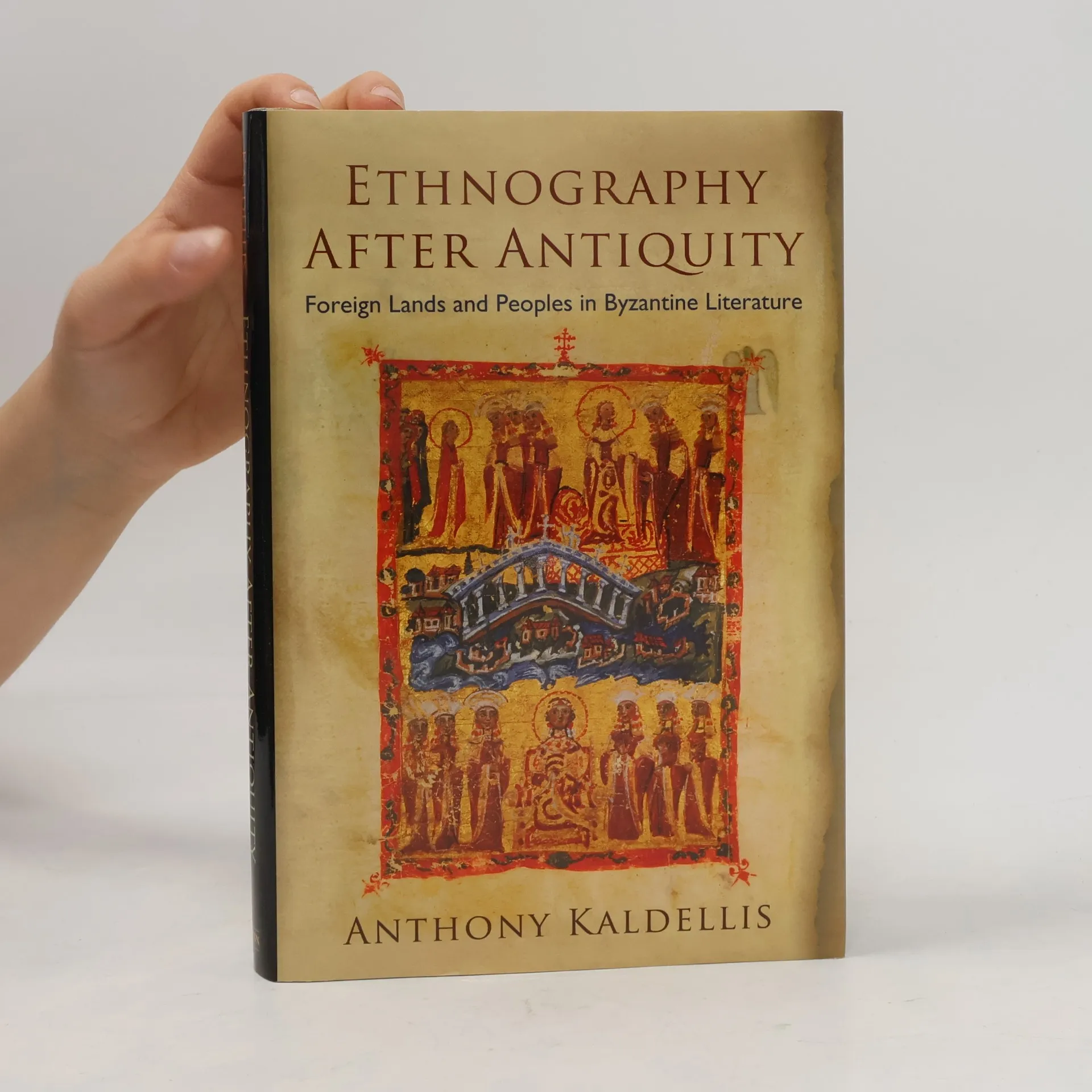
Although Greek and Roman authors produced ethnographic texts about foreign cultures, Byzantine literature seemingly lacks ethnography after the seventh century C.E., a puzzling gap for a culture closely tied to the Roman Empire. Positioned at the crossroads of significant historical upheavals, the Byzantines possessed extensive knowledge of the cultures they encountered. This examination delves into both the presence and absence of ethnography in Byzantine writings, investigating the political and religious reasons behind the documentation (or lack thereof) of other peoples. Through analyses of classical histories, military manuals, Constantine VII's "De administrando imperio," and religious texts, Anthony Kaldellis reveals that Byzantine authors utilized foreign accounts to critique their own society or assert Romano-Christian superiority over Islam. He concludes that cultural differences were not solely viewed through a theological lens; rather, it was their Roman identity, distinct from what they deemed heretical or barbarian cultures, that shaped their perspectives. By addressing the unexplained gap between antiquity and the revival of ethnography in the late Byzantine period, this work provides fresh insights into how Byzantium navigated its identity amidst a rapidly changing world.
Nákup knihy
Ethnography After Antiquity, Anthony Kaldellis
- Jazyk

- Rok vydání
- 2013
- Vazba
- (pevná)
Doručení
Platební metody
Nikdo zatím neohodnotil.
- Titul
- Ethnography After Antiquity
- Podtitul
- Foreign Lands and Peoples in Byzantine Literature
- Jazyk
- anglicky
- Autoři
- Anthony Kaldellis
- Vydavatel
- University of Pennsylvania Press
- Rok vydání
- 2013
- Vazba
- pevná
- Počet stran
- 288
- ISBN10
- 0812245318
- ISBN13
- 9780812245318
- Série
- Kategorie
- Štítky
- Evropa, Kultura a společnost, Lingvistika, Starověk, antika, Historie Evropy, Literární kritika, Folklór a lidová kultura, Západní Evropa, Etnologie, Byzantská říše, Byzantská literatura
- Anotace
- Although Greek and Roman authors produced ethnographic texts about foreign cultures, Byzantine literature seemingly lacks ethnography after the seventh century C.E., a puzzling gap for a culture closely tied to the Roman Empire. Positioned at the crossroads of significant historical upheavals, the Byzantines possessed extensive knowledge of the cultures they encountered. This examination delves into both the presence and absence of ethnography in Byzantine writings, investigating the political and religious reasons behind the documentation (or lack thereof) of other peoples. Through analyses of classical histories, military manuals, Constantine VII's "De administrando imperio," and religious texts, Anthony Kaldellis reveals that Byzantine authors utilized foreign accounts to critique their own society or assert Romano-Christian superiority over Islam. He concludes that cultural differences were not solely viewed through a theological lens; rather, it was their Roman identity, distinct from what they deemed heretical or barbarian cultures, that shaped their perspectives. By addressing the unexplained gap between antiquity and the revival of ethnography in the late Byzantine period, this work provides fresh insights into how Byzantium navigated its identity amidst a rapidly changing world.