

Více o knize
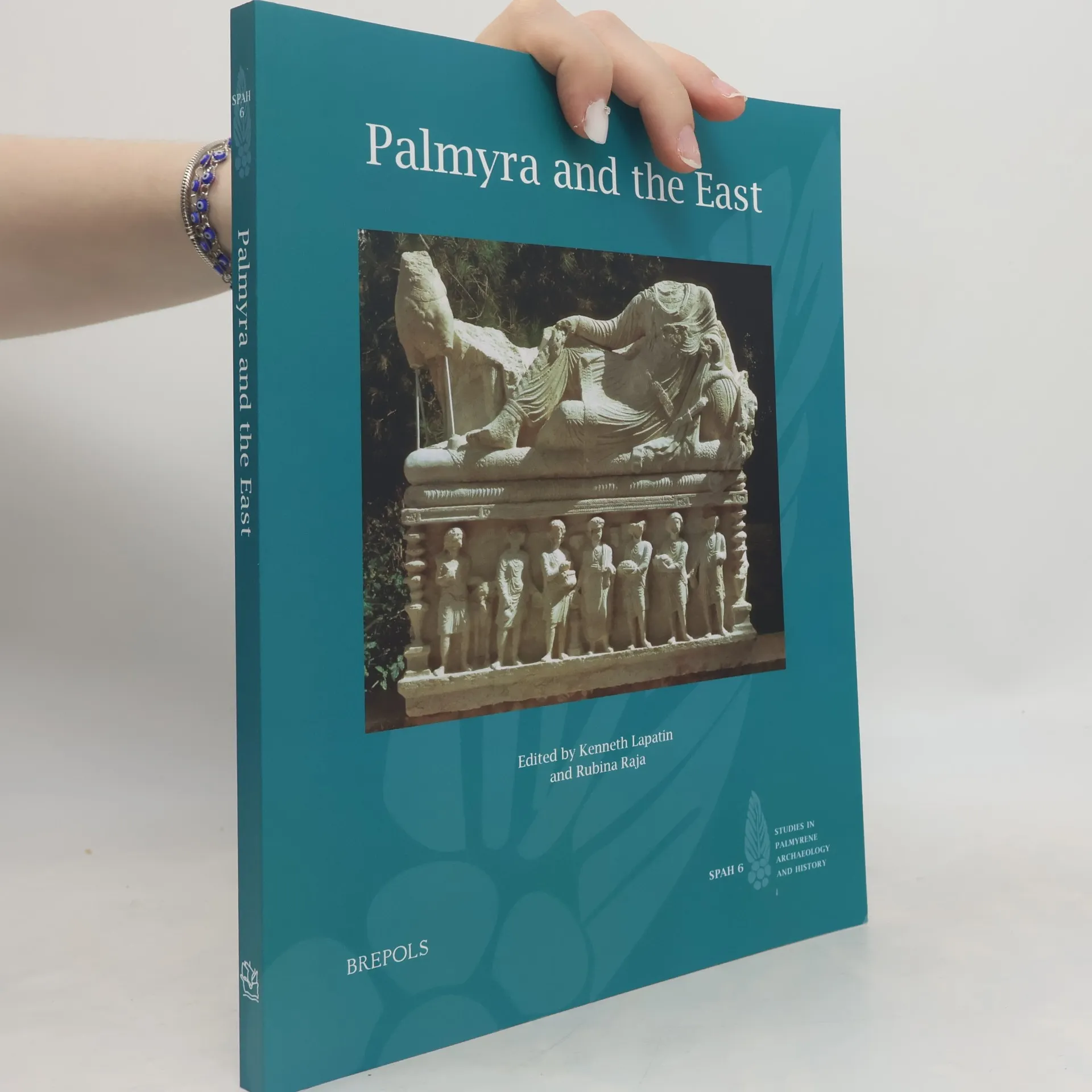
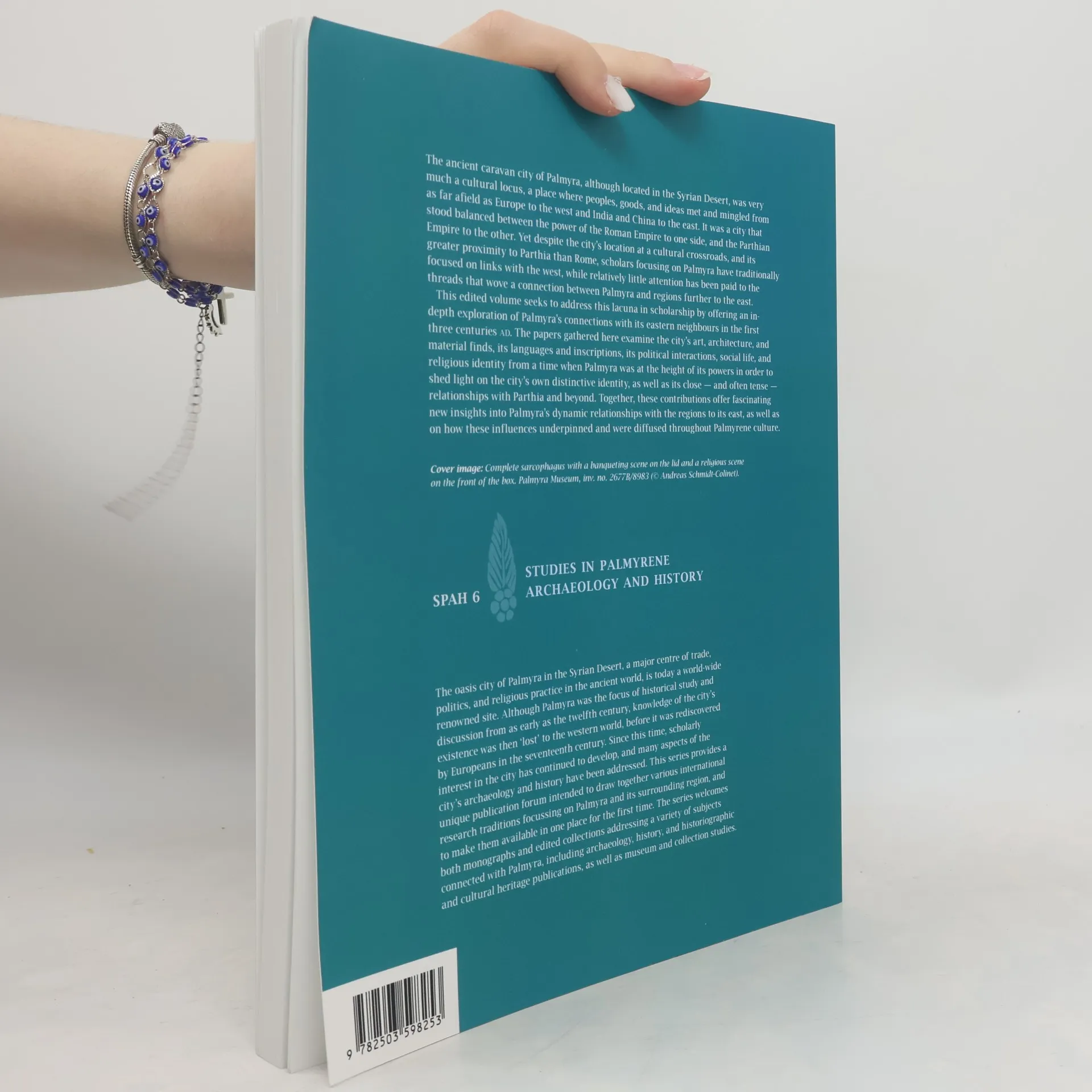
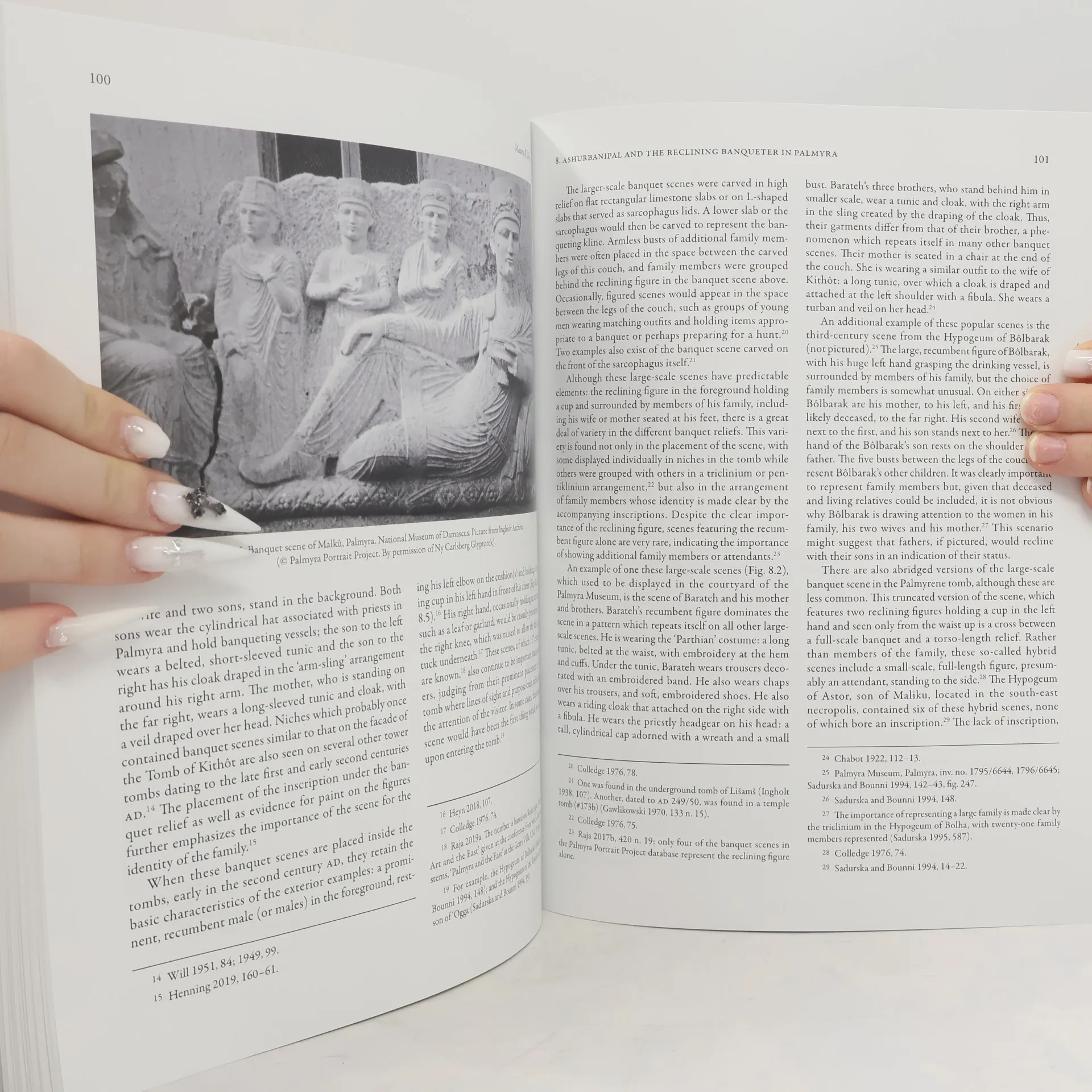
The ancient caravan city of Palmyra, situated in the Syrian Desert, was a vibrant cultural hub where diverse peoples, goods, and ideas converged from Europe to the west and India and China to the east. Positioned between the Roman Empire and the Parthian Empire, Palmyra's strategic location has led scholars to focus primarily on its connections with the west, often overlooking its ties to eastern regions. This edited volume aims to fill that gap by offering a comprehensive examination of Palmyra's interactions with its eastern neighbors during the first three centuries AD. The collected papers delve into various aspects of the city, including its art, architecture, material culture, languages, inscriptions, political relations, social dynamics, and religious identity during its peak. By exploring these elements, the volume sheds light on Palmyra's unique identity and its complex, often tense, relationships with Parthia and other eastern territories. The contributions provide valuable insights into the city's dynamic connections with the east and illustrate how these influences shaped and permeated Palmyrene culture.
Nákup knihy
Studies in Palmyrene Archaeology and History - 6: Palmyra and the East, Rubina Raja, Kenneth D. S. Lapatin
- Jazyk

- Rok vydání
- 2022
- Vazba
- (měkká)
Nikdo zatím neohodnotil.
- Titul
- Studies in Palmyrene Archaeology and History - 6: Palmyra and the East
- Jazyk
- anglicky
- Autoři
- Rubina Raja, Kenneth D. S. Lapatin
- Vydavatel
- Brepols
- Rok vydání
- 2022
- Vazba
- měkká
- Počet stran
- 210
- ISBN10
- 2503598250
- ISBN13
- 9782503598253
- Série
- Kategorie
- Anotace
- The ancient caravan city of Palmyra, situated in the Syrian Desert, was a vibrant cultural hub where diverse peoples, goods, and ideas converged from Europe to the west and India and China to the east. Positioned between the Roman Empire and the Parthian Empire, Palmyra's strategic location has led scholars to focus primarily on its connections with the west, often overlooking its ties to eastern regions. This edited volume aims to fill that gap by offering a comprehensive examination of Palmyra's interactions with its eastern neighbors during the first three centuries AD. The collected papers delve into various aspects of the city, including its art, architecture, material culture, languages, inscriptions, political relations, social dynamics, and religious identity during its peak. By exploring these elements, the volume sheds light on Palmyra's unique identity and its complex, often tense, relationships with Parthia and other eastern territories. The contributions provide valuable insights into the city's dynamic connections with the east and illustrate how these influences shaped and permeated Palmyrene culture.