

Miláček čtenářů je právě vyprodaný
Parametry
- 278 stránek
- 10 hodin čtení
Více o knize
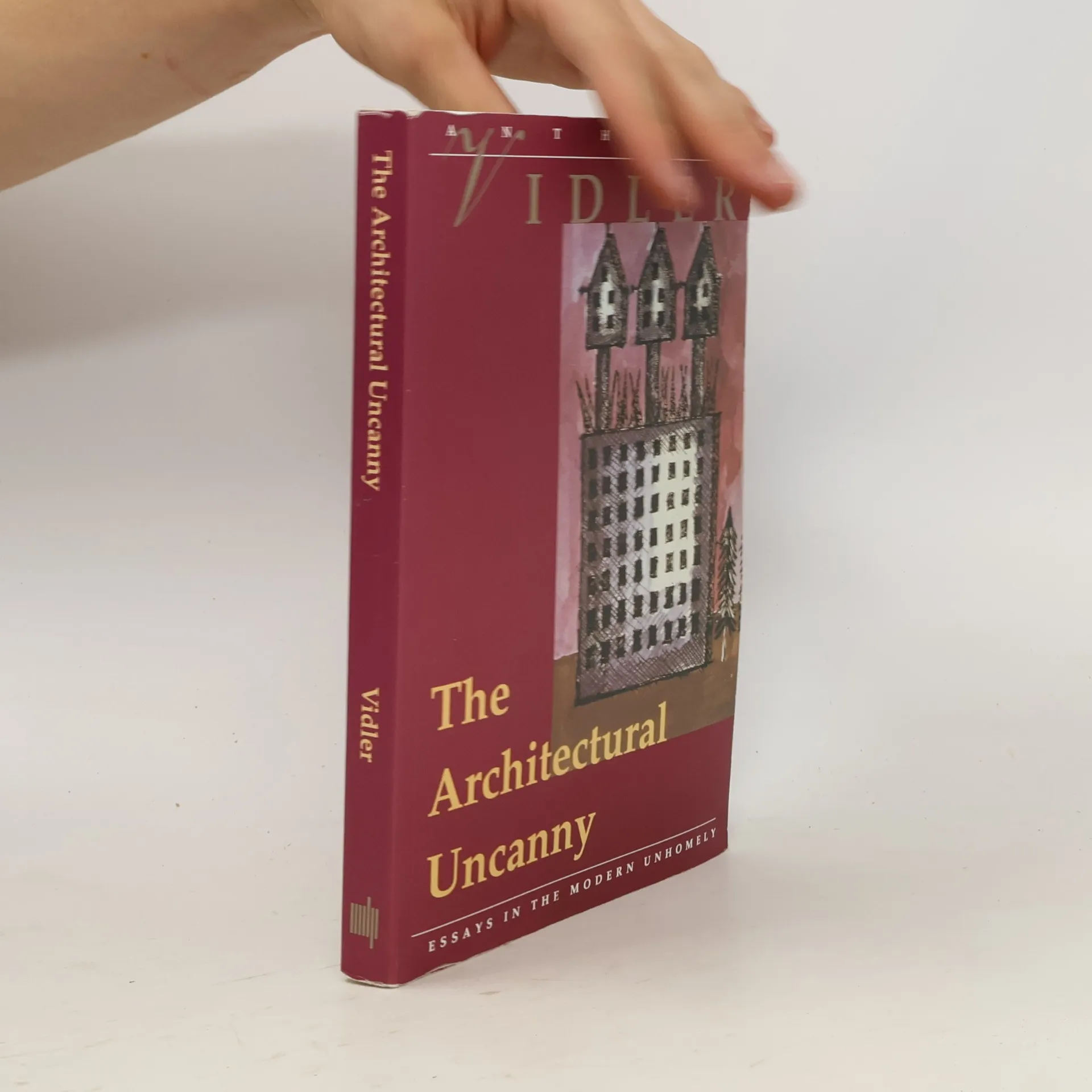
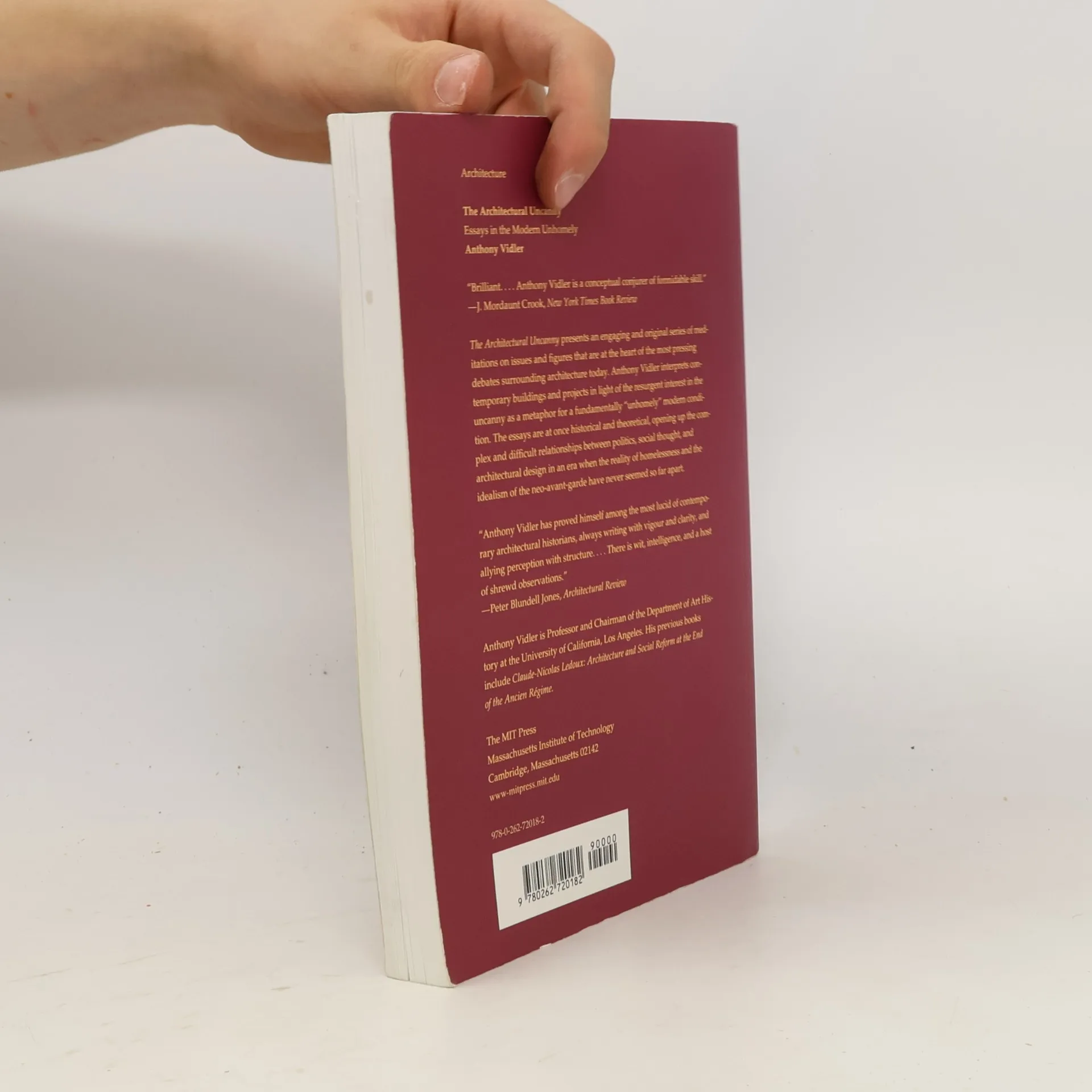
The Architectural Uncanny presents an engaging and original series of meditations on issues and figures that are at the heart of the most pressing debates surrounding architecture today. Anthony Vidler interprets contemporary buildings and projects in light of the resurgent interest in the uncanny as a metaphor for a fundamentally “unhomely” modern condition. The essays are at once historical and theoretical, opening up the complex and difficult relationships between politics, social thought, and architectural design in an era when the reality of homelessness and the idealism of the neo-avant-garde have never seemed so far apart.
Nákup knihy
The Architectural Uncanny, Anthony Vidler
- Jazyk

- Rok vydání
- 1992
- Vazba
- (měkká)
Jakmile se objeví, pošleme e-mail.
Nikdo zatím neohodnotil.
- Titul
- The Architectural Uncanny
- Podtitul
- Essays in the Modern Unhomely
- Jazyk
- anglicky
- Autoři
- Anthony Vidler
- Vydavatel
- MIT Press
- Rok vydání
- 1992
- Vazba
- měkká
- Počet stran
- 278
- ISBN10
- 0262720183
- ISBN13
- 9780262720182
- Série
- Kategorie
- Štítky
- Byznys, Psychologická tématika, Filosofická tématika, Umění, Architektura, Rodina, Války, Filmová tématika, Kultura a společnost, Feminismus, Historie Evropy, Duševní zdraví, Manželství, Kultura, 21. století, Vědecké teorie, Identita, Města, Kritika, Gender, Kapitalismus, Krása, Úzkostné poruchy, Ztráta paměti, amnézie, Psychologické aspekty, Teorie architektury, Kritická teorie
- Anotace
- The Architectural Uncanny presents an engaging and original series of meditations on issues and figures that are at the heart of the most pressing debates surrounding architecture today. Anthony Vidler interprets contemporary buildings and projects in light of the resurgent interest in the uncanny as a metaphor for a fundamentally “unhomely” modern condition. The essays are at once historical and theoretical, opening up the complex and difficult relationships between politics, social thought, and architectural design in an era when the reality of homelessness and the idealism of the neo-avant-garde have never seemed so far apart.