

Parametry
- 112 stránek
- 4 hodiny čtení
Více o knize
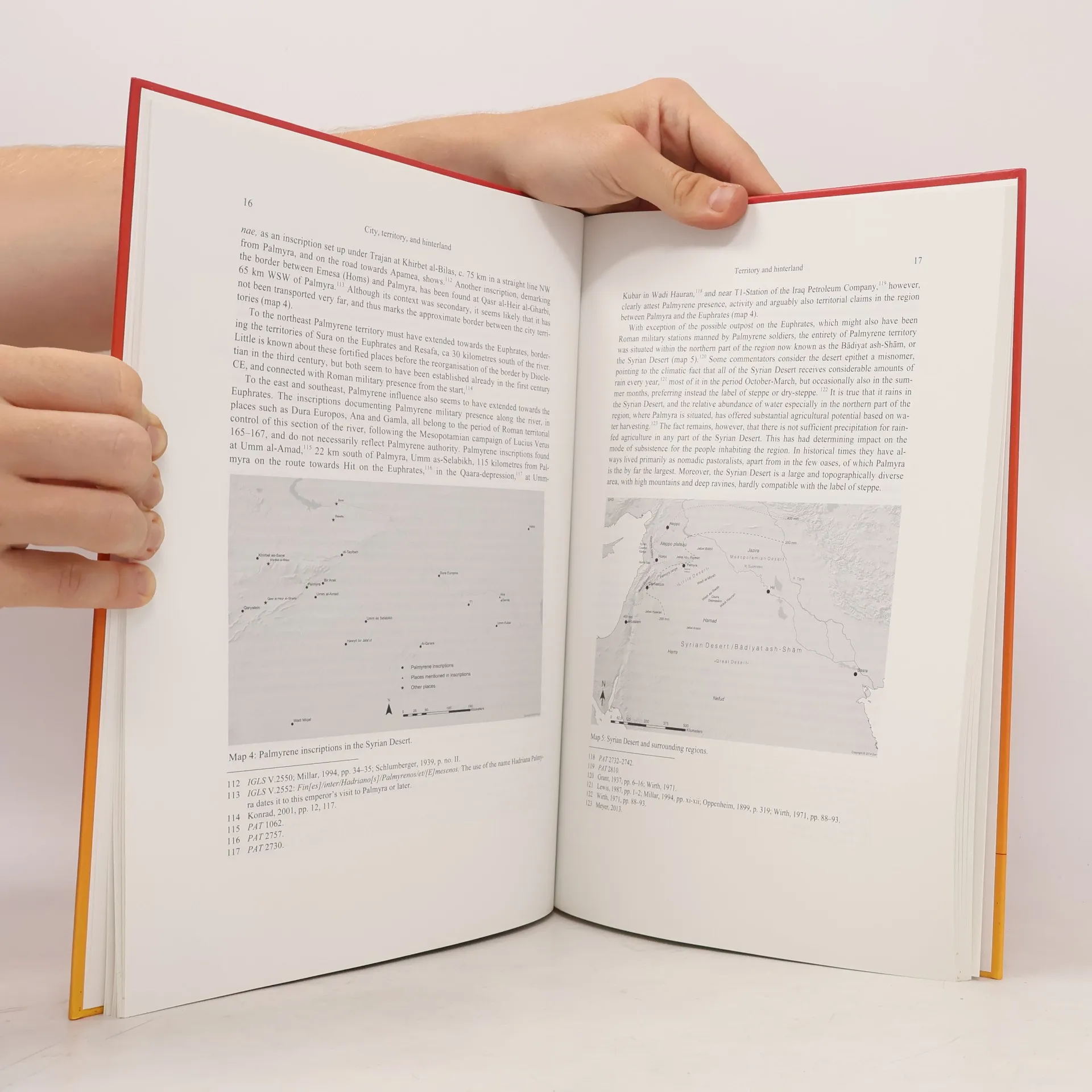
In the Roman period the world from the Atlantic Ocean to the East China Sea was tied together by ships and caravans carrying textiles, minerals, aromatics, and other valuable commodities across vast distances. In the span of three short centuries the Syrian city of Palmyra rose from unremarkable origins to assume a key role in this exchange – a position that eventually enabled her to, albeit unsuccessfully, take on the might of Rome herself. This first book-length survey of Palmyrene trade in almost four decades asks how this was possible for the people of a city that was neither on the shortest, nor on the easiest route between east and west. The study draws on the wealth of epigraphic, literary, and archaeological data handed down from the ancient city as well as the extensive scholarly tradition. This material is juxtaposed with information about the natural and geopolitical environment, ethnographic records, and network analysis, in order to explain the remarkable success of the cosmopolitan desert nomads of Palmyra.
Nákup knihy
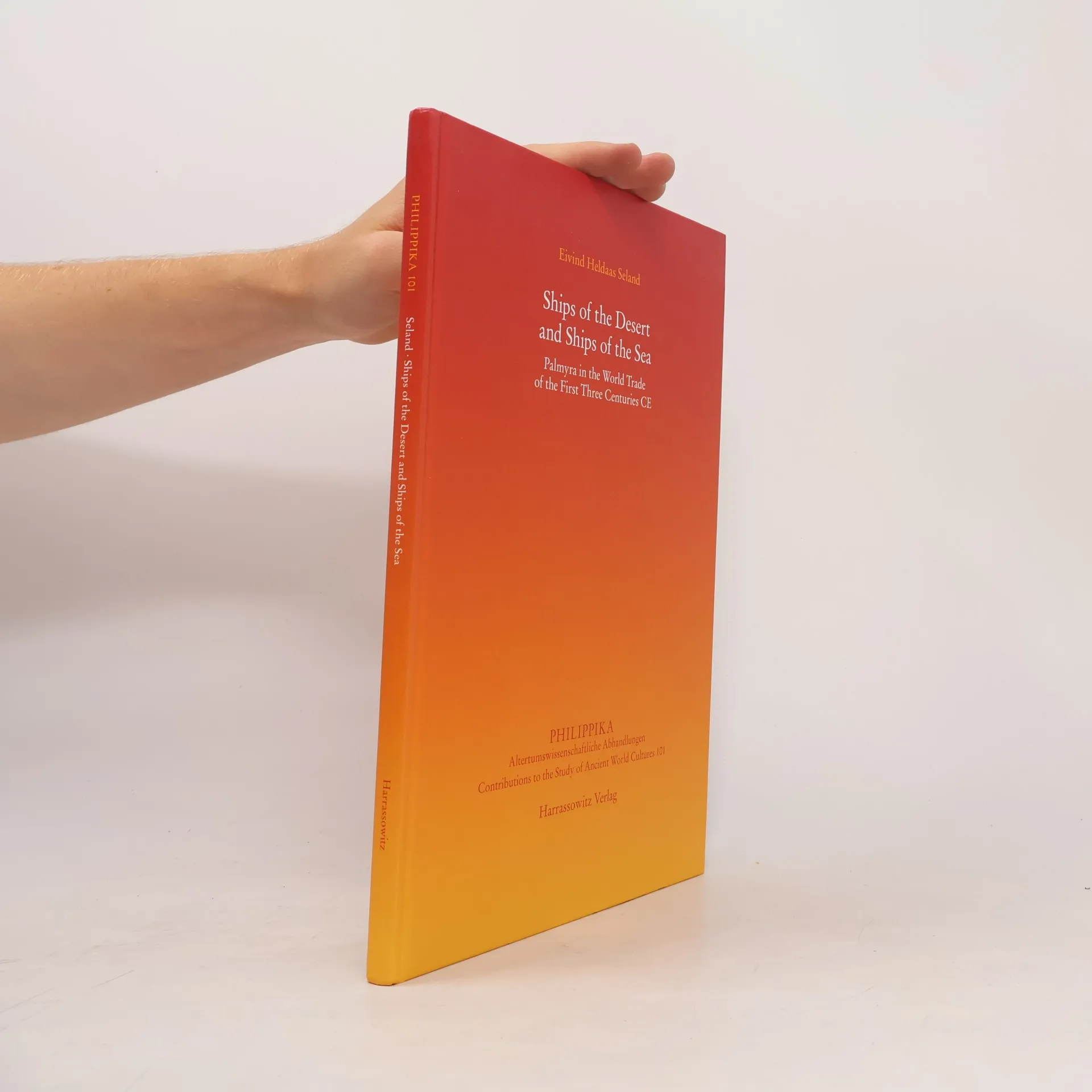
Philippika - 101: Ships of the Desert and Ships of the Sea, Eivind Heldaas Seland
- Jazyk

- Rok vydání
- 2016
- Vazba
- (pevná)
Nikdo zatím neohodnotil.
- Titul
- Philippika - 101: Ships of the Desert and Ships of the Sea
- Podtitul
- Palmyra in the World Trade of the First Three Centuries CE
- Jazyk
- anglicky
- Autoři
- Eivind Heldaas Seland
- Vydavatel
- Harrassowitz
- Rok vydání
- 2016
- Vazba
- pevná
- Počet stran
- 112
- ISBN10
- 3447107049
- ISBN13
- 9783447107044
- Série
- Kategorie
- Štítky
- Historické téma, Byznys, Německo, Starověk, antika, Archeologie, Starověký Řím, Hospodářské dějiny, Sýrie, Mezopotámie, Historie mořeplavectví
- Anotace
- In the Roman period the world from the Atlantic Ocean to the East China Sea was tied together by ships and caravans carrying textiles, minerals, aromatics, and other valuable commodities across vast distances. In the span of three short centuries the Syrian city of Palmyra rose from unremarkable origins to assume a key role in this exchange – a position that eventually enabled her to, albeit unsuccessfully, take on the might of Rome herself. This first book-length survey of Palmyrene trade in almost four decades asks how this was possible for the people of a city that was neither on the shortest, nor on the easiest route between east and west. The study draws on the wealth of epigraphic, literary, and archaeological data handed down from the ancient city as well as the extensive scholarly tradition. This material is juxtaposed with information about the natural and geopolitical environment, ethnographic records, and network analysis, in order to explain the remarkable success of the cosmopolitan desert nomads of Palmyra.