

Více o knize
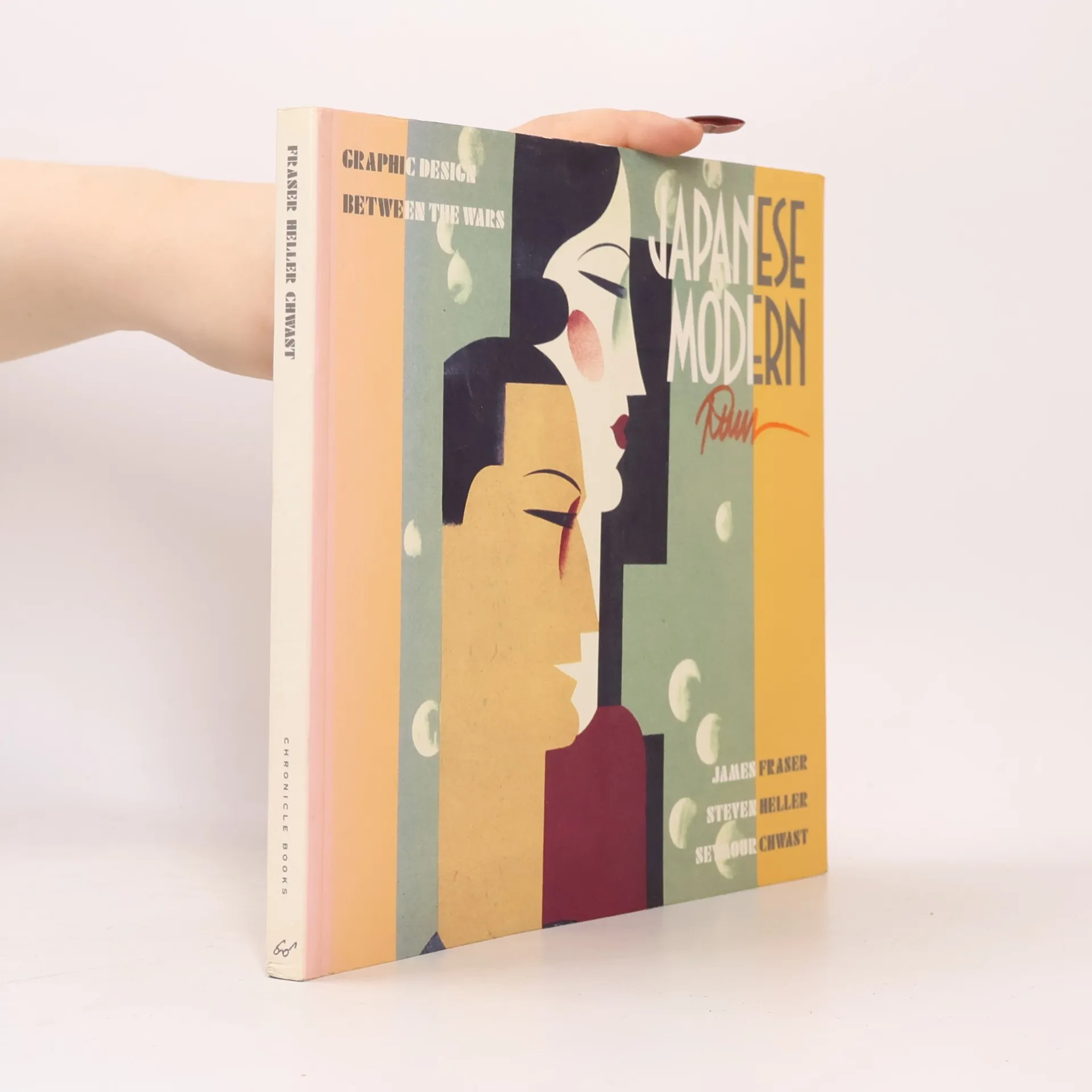
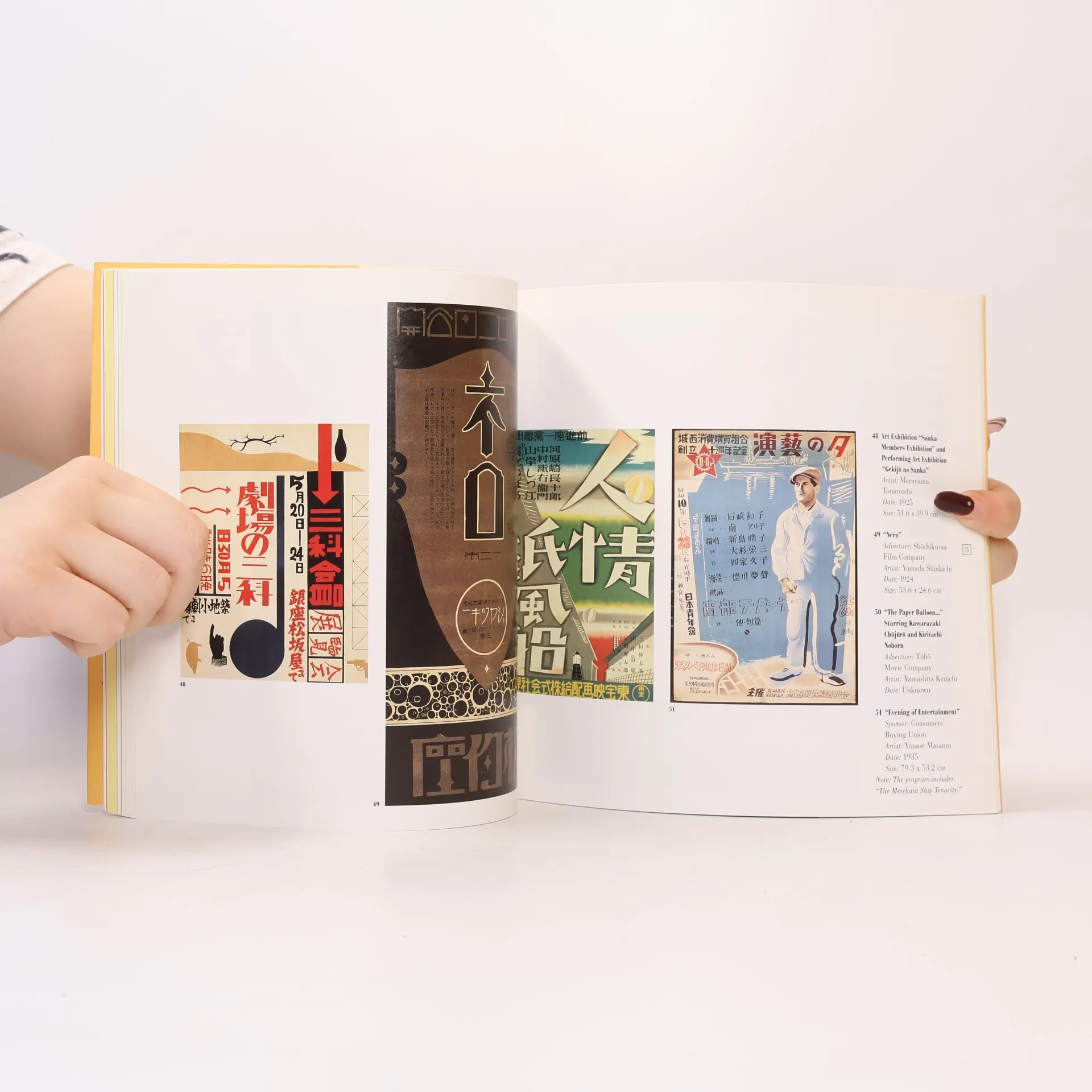
With enticing visuals and a fascinating text, Japanese Modern: Graphic Design between the Wars is the first book to examine an often ignored period of Japanese graphic design. From the late 1920s to the mid-1930s, Japan was a burgeoning industrial state with a growing consumer culture that relied increasingly on commercial art to promote and sell its products. While adhering to its own distinctive artistic traditions, Japanese graphic design was nevertheless heavily influenced by Western styles, trends, and fashions - the most influential being art moderne, or art deco. Japanese graphic designers and art directors drew inspiration from Europe's master poster artists and typographers - particularly those in France and Germany. They also imported and assimilated elements of Bauhaus, constructivism, and futurism, and applied them to a variety of media, including posters, packages, brochures, advertisements, and magazines. Art moderne is perhaps best illustrated in the scores of department store posters produced during this time, while hybrids are seen in the ubiquitous collections of period matchbox labels. Tracing the introduction of this Western-influenced style through its most compelling movements and leading practitioners, this strikingly illustrated book presents a scintillating look at modern Japanese graphic design.
Nákup knihy
Japanese Modern, James Howard Fraser, Steven Heller, Seymour Chwast
- Jazyk

- Rok vydání
- 1996
- Vazba
- (měkká)
Nikdo zatím neohodnotil.
- Titul
- Japanese Modern
- Podtitul
- Graphic Design Between the Wars
- Jazyk
- anglicky
- Vydavatel
- Chronicle Books
- Rok vydání
- 1996
- Vazba
- měkká
- Počet stran
- 131
- ISBN10
- 0811805093
- ISBN13
- 9780811805094
- Série
- Kategorie
- Štítky
- Historické téma, Umění, 20. století, Historie umění, Japonsko, Moderní umění, Grafický design, Japonština, Dálný východ
- Anotace
- With enticing visuals and a fascinating text, Japanese Modern: Graphic Design between the Wars is the first book to examine an often ignored period of Japanese graphic design. From the late 1920s to the mid-1930s, Japan was a burgeoning industrial state with a growing consumer culture that relied increasingly on commercial art to promote and sell its products. While adhering to its own distinctive artistic traditions, Japanese graphic design was nevertheless heavily influenced by Western styles, trends, and fashions - the most influential being art moderne, or art deco. Japanese graphic designers and art directors drew inspiration from Europe's master poster artists and typographers - particularly those in France and Germany. They also imported and assimilated elements of Bauhaus, constructivism, and futurism, and applied them to a variety of media, including posters, packages, brochures, advertisements, and magazines. Art moderne is perhaps best illustrated in the scores of department store posters produced during this time, while hybrids are seen in the ubiquitous collections of period matchbox labels. Tracing the introduction of this Western-influenced style through its most compelling movements and leading practitioners, this strikingly illustrated book presents a scintillating look at modern Japanese graphic design.