

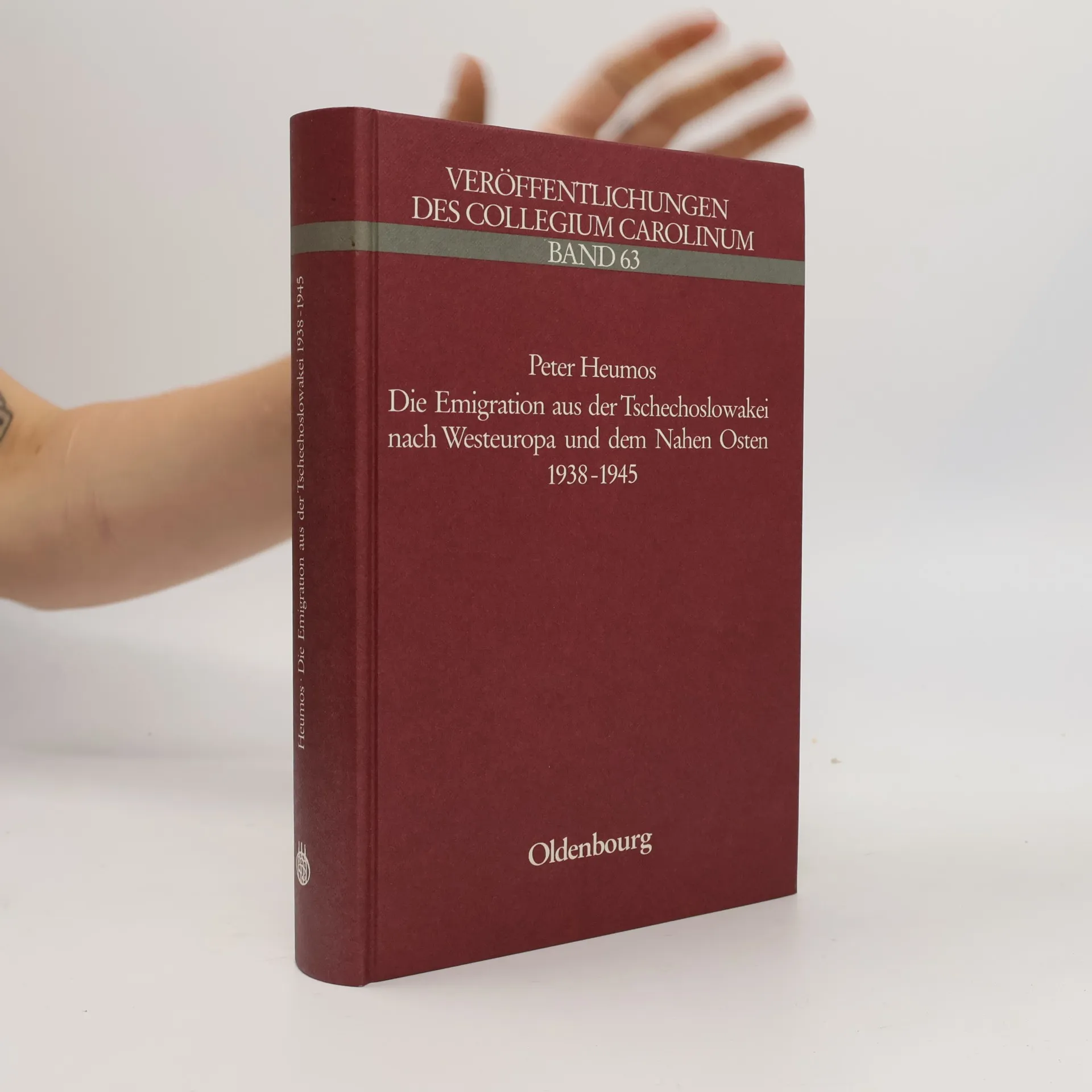


Veröffentlichungen des Collegium Carolinum - 63: Die Emigration aus der Tschechoslowakei nach Westeuropa und dem Nahen Osten 1938 - 1945
Autoři
Více o knize
Describes, particularly from the organizational aspect, the emigration from Czechoslovakia of groups endangered by the Nazis. Notes that Jews began to flee the border areas even before the Munich agreement because of harassment by Henlein's Sudeten-German movement. Details negotiations between emigrant organizations, refugee aid agencies, and the governments of possible countries of refuge. Britain and the Dominions were willing to accept refugees in limited numbers, with preference for political refugees over Jews. Other countries accepted refugees on a temporary basis. Traces the escape routes, including illegal immigration to Palestine. Describes the flight of refugees in France to the Vichy sector, whose government delivered many of them back to the Nazis and extermination. Notes the antisemitism in the Czech exile community in France and England, especially in the army, but even in Benes's government-in-exile. Few Jews returned to Czechoslovakia after the war. Pp. 277-477 contain documents from government and refugee association archives.
Nákup knihy
Veröffentlichungen des Collegium Carolinum - 63: Die Emigration aus der Tschechoslowakei nach Westeuropa und dem Nahen Osten 1938 - 1945, Peter Heumos
- Jazyk

- Rok vydání
- 1989
- Vazba
- (pevná)
Doručení
Platební metody
Nikdo zatím neohodnotil.
- Titul
- Veröffentlichungen des Collegium Carolinum - 63: Die Emigration aus der Tschechoslowakei nach Westeuropa und dem Nahen Osten 1938 - 1945
- Jazyk
- německy
- Autoři
- Peter Heumos
- Vydavatel
- Oldenbourg
- Rok vydání
- 1989
- Vazba
- pevná
- Počet stran
- 496
- ISBN10
- 3486545612
- ISBN13
- 9783486545616
- Série
- Štítky
- Historické téma, Česká & Slovenská historie, Druhá světová válka, Židé, Nacismus, Historie 20. století, Československo, Uprchlíci
- Anotace
- Describes, particularly from the organizational aspect, the emigration from Czechoslovakia of groups endangered by the Nazis. Notes that Jews began to flee the border areas even before the Munich agreement because of harassment by Henlein's Sudeten-German movement. Details negotiations between emigrant organizations, refugee aid agencies, and the governments of possible countries of refuge. Britain and the Dominions were willing to accept refugees in limited numbers, with preference for political refugees over Jews. Other countries accepted refugees on a temporary basis. Traces the escape routes, including illegal immigration to Palestine. Describes the flight of refugees in France to the Vichy sector, whose government delivered many of them back to the Nazis and extermination. Notes the antisemitism in the Czech exile community in France and England, especially in the army, but even in Benes's government-in-exile. Few Jews returned to Czechoslovakia after the war. Pp. 277-477 contain documents from government and refugee association archives.