



Více o knize
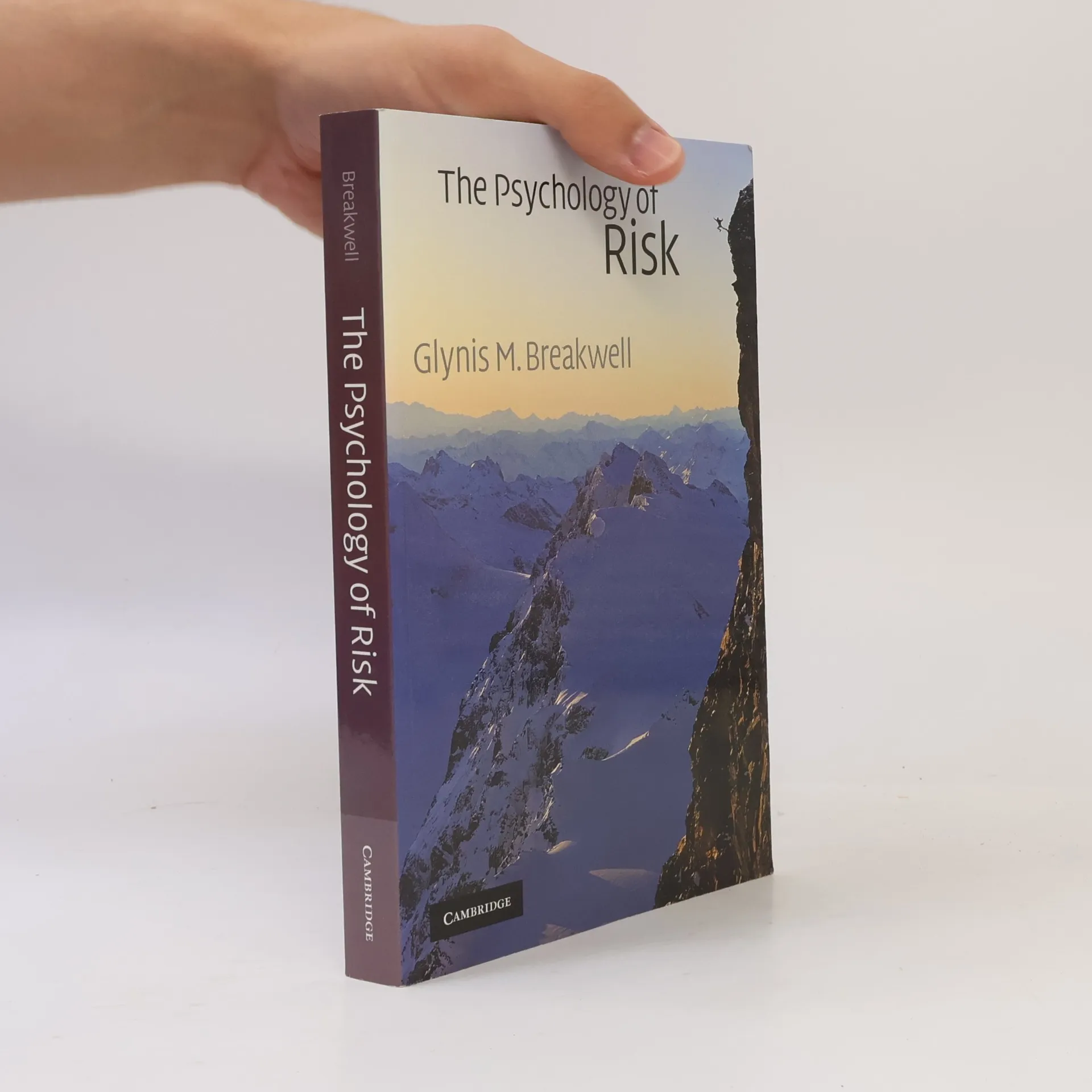
Risk surrounds and envelopes us. Without understanding it, we risk everything and without capitalising on it, we gain nothing. This accessible book from Glynis M. Breakwell, first published in 2007, comprehensively explores the psychology of risk, examining how individuals think, feel and act, as well as considering the institutional and societal assessments, rhetorics and reactions about risk. Featuring chapters on all the major issues in the psychology of risk including risk assessment, hazard perception, decision-making, risk and crisis management, risk and emotion, risk communication, safety cultures, the social amplification and social representation of risk and mechanisms for changing risk responses, Breakwell uses illustrations and examples to bring to life the significance of her research findings. She provides an innovative overview of current knowledge on the subject but also suggests that there are many fascinating questions still to be answered.
Nákup knihy
The Psychology of Risk, Glynis M. Breakwell
- Jazyk

- Rok vydání
- 2007
- Vazba
- (měkká)
Nikdo zatím neohodnotil.
- Titul
- The Psychology of Risk
- Jazyk
- anglicky
- Autoři
- Glynis M. Breakwell
- Vydavatel
- Cambridge University Press
- Rok vydání
- 2007
- Vazba
- měkká
- Počet stran
- 350
- ISBN10
- 0521004454
- ISBN13
- 9780521004459
- Série
- Anotace
- Risk surrounds and envelopes us. Without understanding it, we risk everything and without capitalising on it, we gain nothing. This accessible book from Glynis M. Breakwell, first published in 2007, comprehensively explores the psychology of risk, examining how individuals think, feel and act, as well as considering the institutional and societal assessments, rhetorics and reactions about risk. Featuring chapters on all the major issues in the psychology of risk including risk assessment, hazard perception, decision-making, risk and crisis management, risk and emotion, risk communication, safety cultures, the social amplification and social representation of risk and mechanisms for changing risk responses, Breakwell uses illustrations and examples to bring to life the significance of her research findings. She provides an innovative overview of current knowledge on the subject but also suggests that there are many fascinating questions still to be answered.