

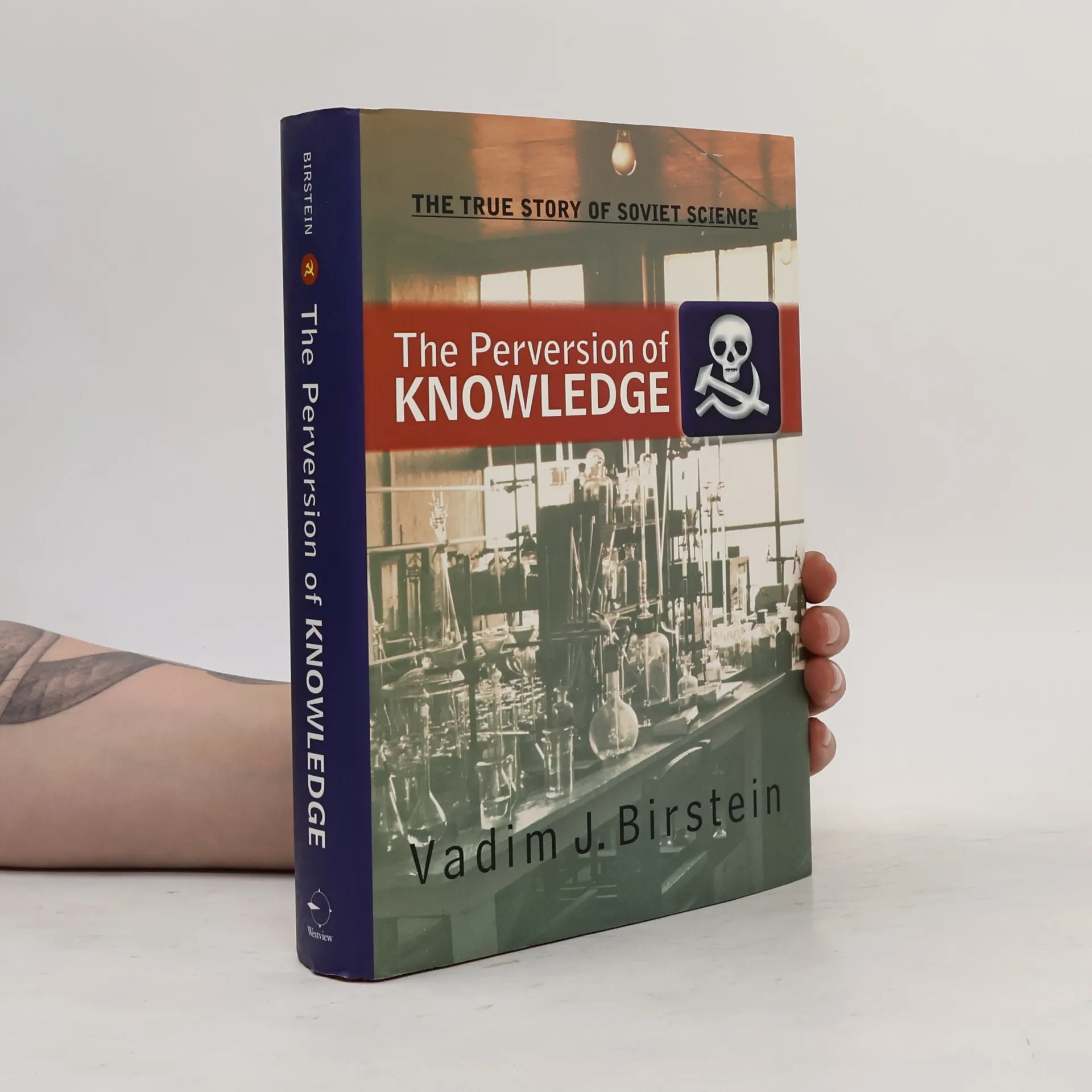
The Perversion of Knowledge
The True Story of Soviet Science
Autoři
Parametry
- 512 stránek
- 18 hodin čtení
Více o knize
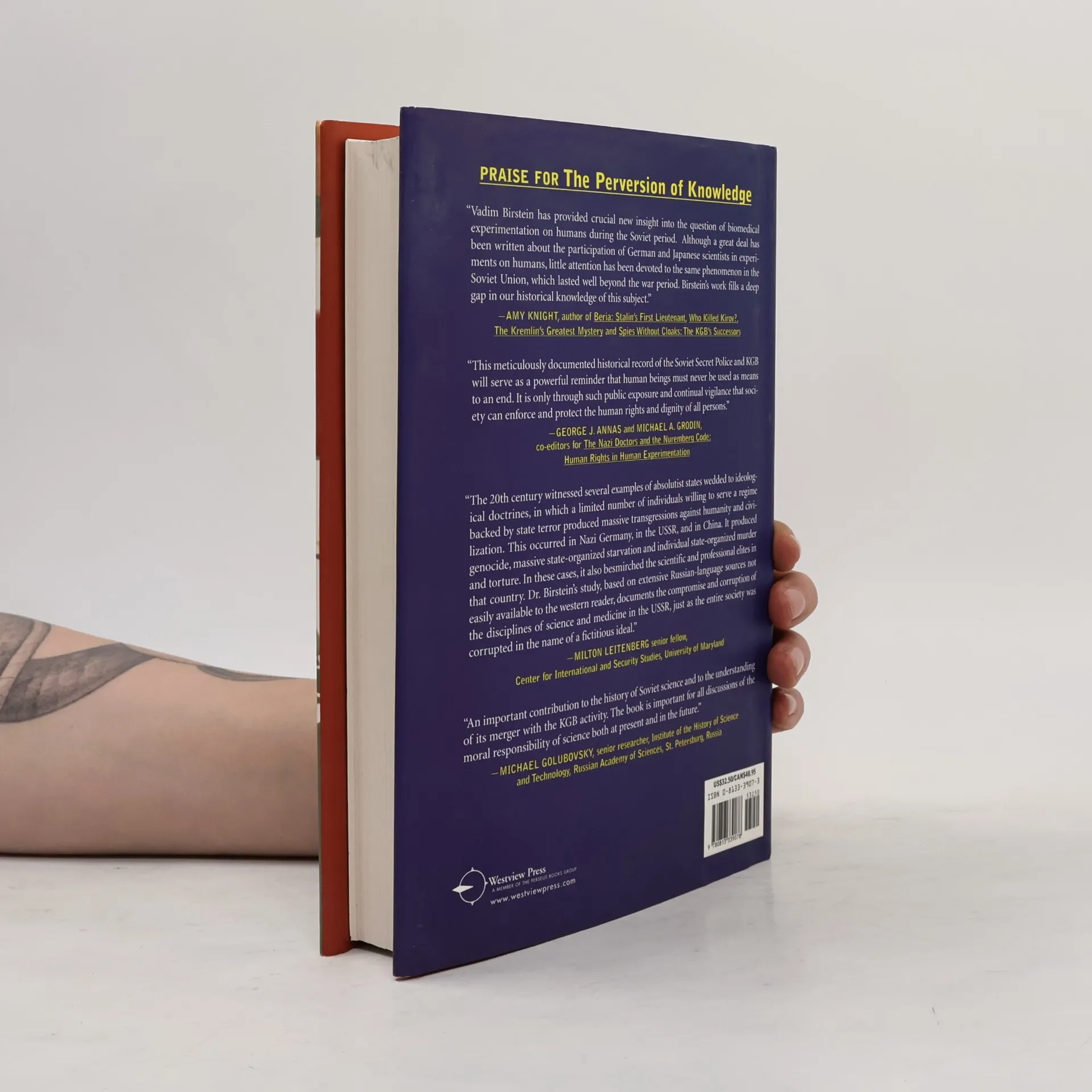
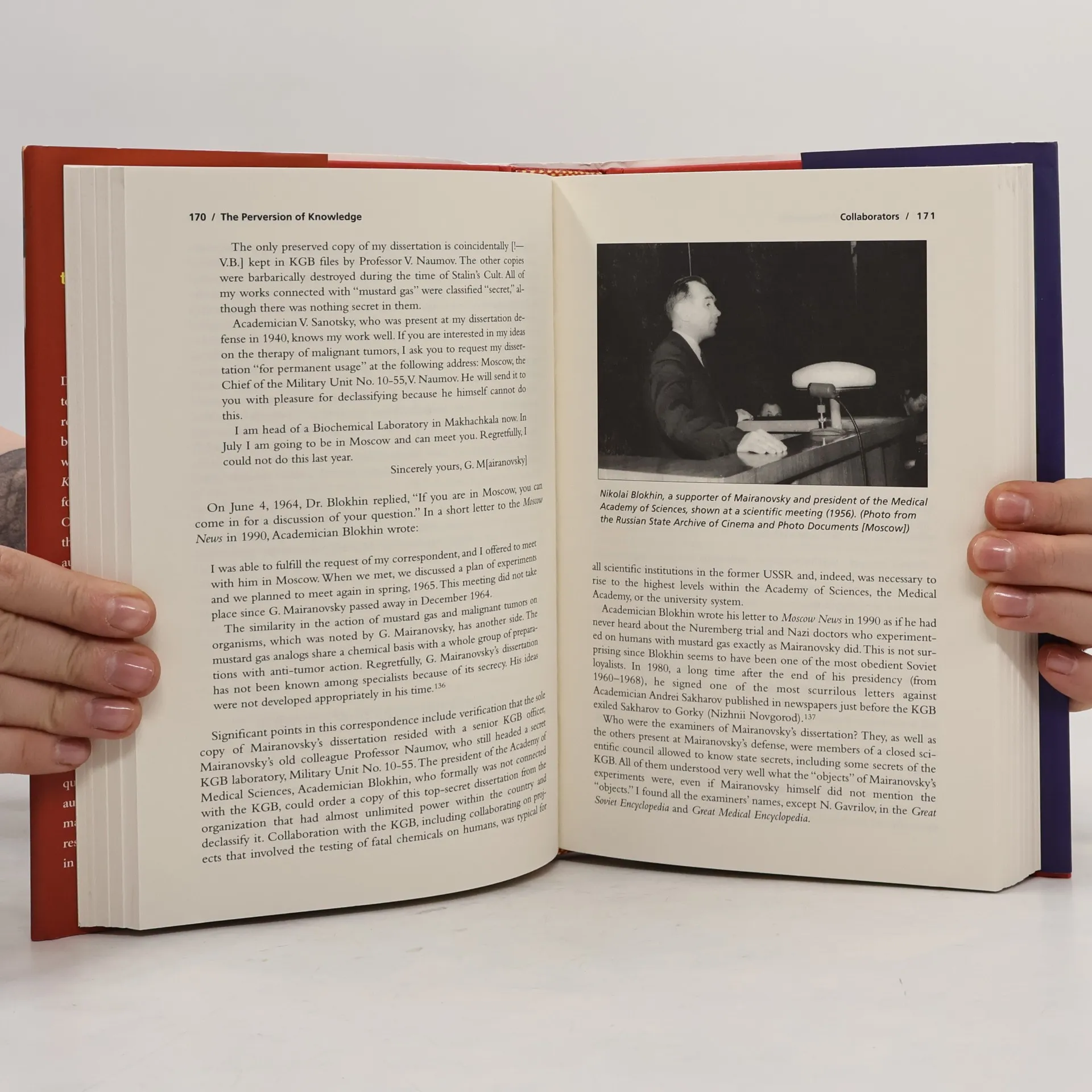
During the Soviet years, Russian science was touted as one of the greatest successes of the regime. Russian science was considered to be equal, if not superior, to that of the wealthy western nations. The Perversion of Knowledge , a history of Soviet science that focuses on its control by the KGB and the Communist Party, reveals the dark side of this glittering achievement. Based on the author's firsthand experience as a Soviet scientist, and drawing on extensive Russian language sources not easily available to the Western reader, the book includes shocking new information on biomedical experimentation on humans as well as an examination of the pernicious effects of Trofim Lysenko's pseudo-biology. Also included are many poignant case histories of those who collaborated and those who managed to resist, focusing on the moral choices and consequences. The text is accompanied by the author's own translations of key archival materials, making this work an essential resource for all those with a serious interest in Russian history.
Nákup knihy
The Perversion of Knowledge, Vadim J. Birstein
- Jazyk

- Rok vydání
- 2001
- Vazba
- (pevná)
Doručení
Platební metody
Nikdo zatím neohodnotil.
- Titul
- The Perversion of Knowledge
- Podtitul
- The True Story of Soviet Science
- Jazyk
- anglicky
- Autoři
- Vadim J. Birstein
- Vydavatel
- Basic Books
- Rok vydání
- 2001
- Vazba
- pevná
- Počet stran
- 512
- ISBN10
- 0813339073
- ISBN13
- 9780813339078
- Série
- Kategorie
- Štítky
- Historické téma, Politika, Věda, USA, 20. století, Evropa, Rusko, Historie Evropy, Politické teorie, Sovětský svaz, Historie vědy, Strategie
- Anotace
- During the Soviet years, Russian science was touted as one of the greatest successes of the regime. Russian science was considered to be equal, if not superior, to that of the wealthy western nations. The Perversion of Knowledge , a history of Soviet science that focuses on its control by the KGB and the Communist Party, reveals the dark side of this glittering achievement. Based on the author's firsthand experience as a Soviet scientist, and drawing on extensive Russian language sources not easily available to the Western reader, the book includes shocking new information on biomedical experimentation on humans as well as an examination of the pernicious effects of Trofim Lysenko's pseudo-biology. Also included are many poignant case histories of those who collaborated and those who managed to resist, focusing on the moral choices and consequences. The text is accompanied by the author's own translations of key archival materials, making this work an essential resource for all those with a serious interest in Russian history.