

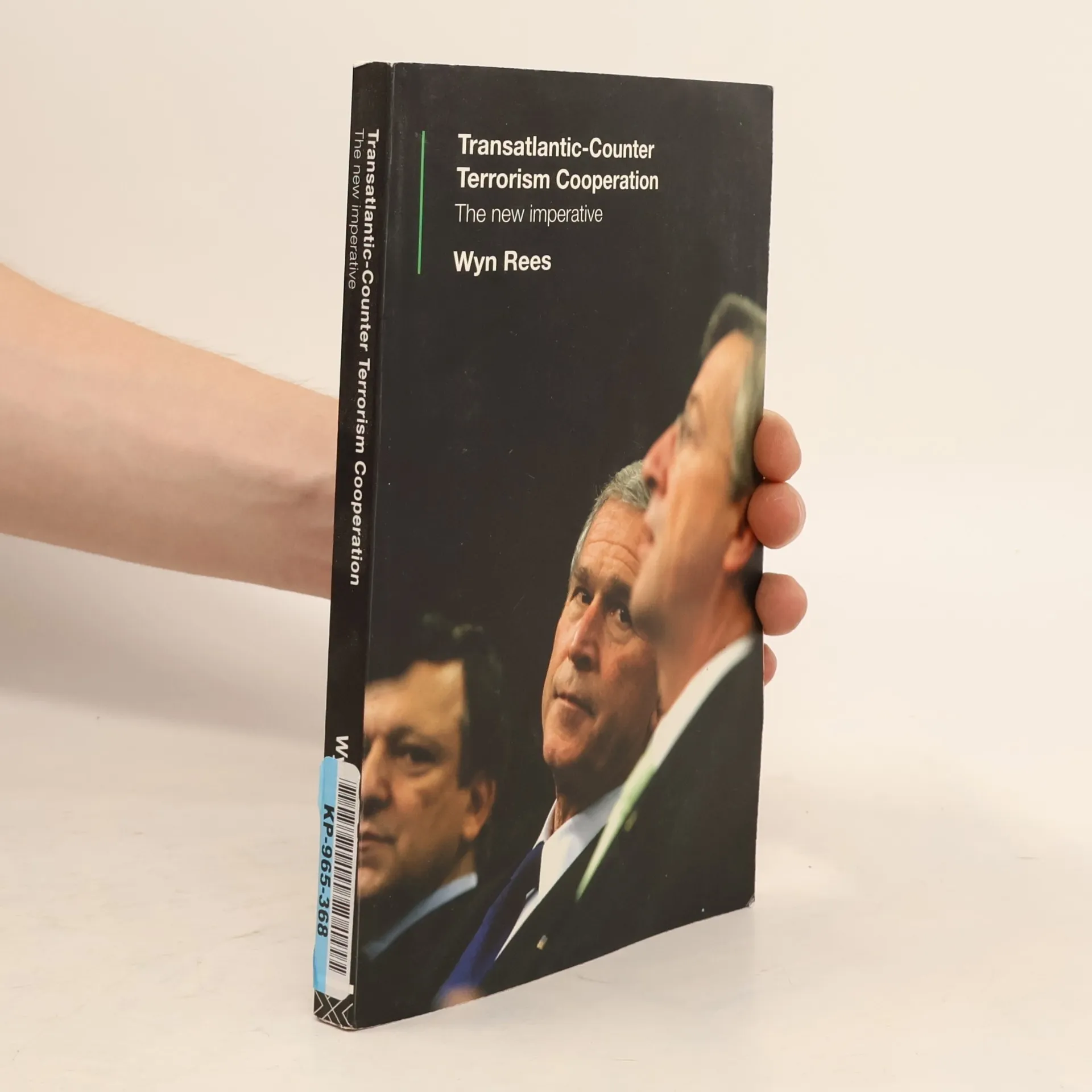
Transatlantic Counter-Terrorism Cooperation
Autoři
Více o knize
An incisive new analysis of transatlantic security cooperation, probing the roots as well as the future directions of this key relationship in world affairs. Since the 1990s, this cooperation has expanded from traditional military security issues into countering terrorism, international organized crime and drug trafficking. This has injected new impetus into transatlantic relations to work together on matters such as intelligence sharing and law enforcement. The events of September 11th 2001 have forced these new patterns of cooperation to the forefront of transatlantic relations.While progress has been made, developing this area of cooperation has been more difficult than expected and this book examines the reasons why. The author argues that many of the difficulties are due to different approaches on either side of the Atlantic and the absence of a dedicated transatlantic security forum in which these issues could be pursued. Furthermore, European nations have been preoccupied with the building of the European Union and have been both reluctant and unable to enter into special patterns of cooperation with the US.
Nákup knihy
Transatlantic Counter-Terrorism Cooperation, Wyn Rees
- Jazyk

- Rok vydání
- 2006
- Vazba
- (měkká)
Doručení
Platební metody
Nikdo zatím neohodnotil.
- Titul
- Transatlantic Counter-Terrorism Cooperation
- Jazyk
- anglicky
- Autoři
- Wyn Rees
- Vydavatel
- Routledge
- Rok vydání
- 2006
- Vazba
- měkká
- Počet stran
- 228
- ISBN10
- 0415331390
- ISBN13
- 9780415331395
- Série
- Štítky
- Politika, USA, Evropa, Akční, Politické teorie, Mezinárodní vztahy, Terorismus, Prevence, Karibik, Kriminologie, Mezinárodní spolupráce
- Anotace
- An incisive new analysis of transatlantic security cooperation, probing the roots as well as the future directions of this key relationship in world affairs. Since the 1990s, this cooperation has expanded from traditional military security issues into countering terrorism, international organized crime and drug trafficking. This has injected new impetus into transatlantic relations to work together on matters such as intelligence sharing and law enforcement. The events of September 11th 2001 have forced these new patterns of cooperation to the forefront of transatlantic relations.While progress has been made, developing this area of cooperation has been more difficult than expected and this book examines the reasons why. The author argues that many of the difficulties are due to different approaches on either side of the Atlantic and the absence of a dedicated transatlantic security forum in which these issues could be pursued. Furthermore, European nations have been preoccupied with the building of the European Union and have been both reluctant and unable to enter into special patterns of cooperation with the US.