

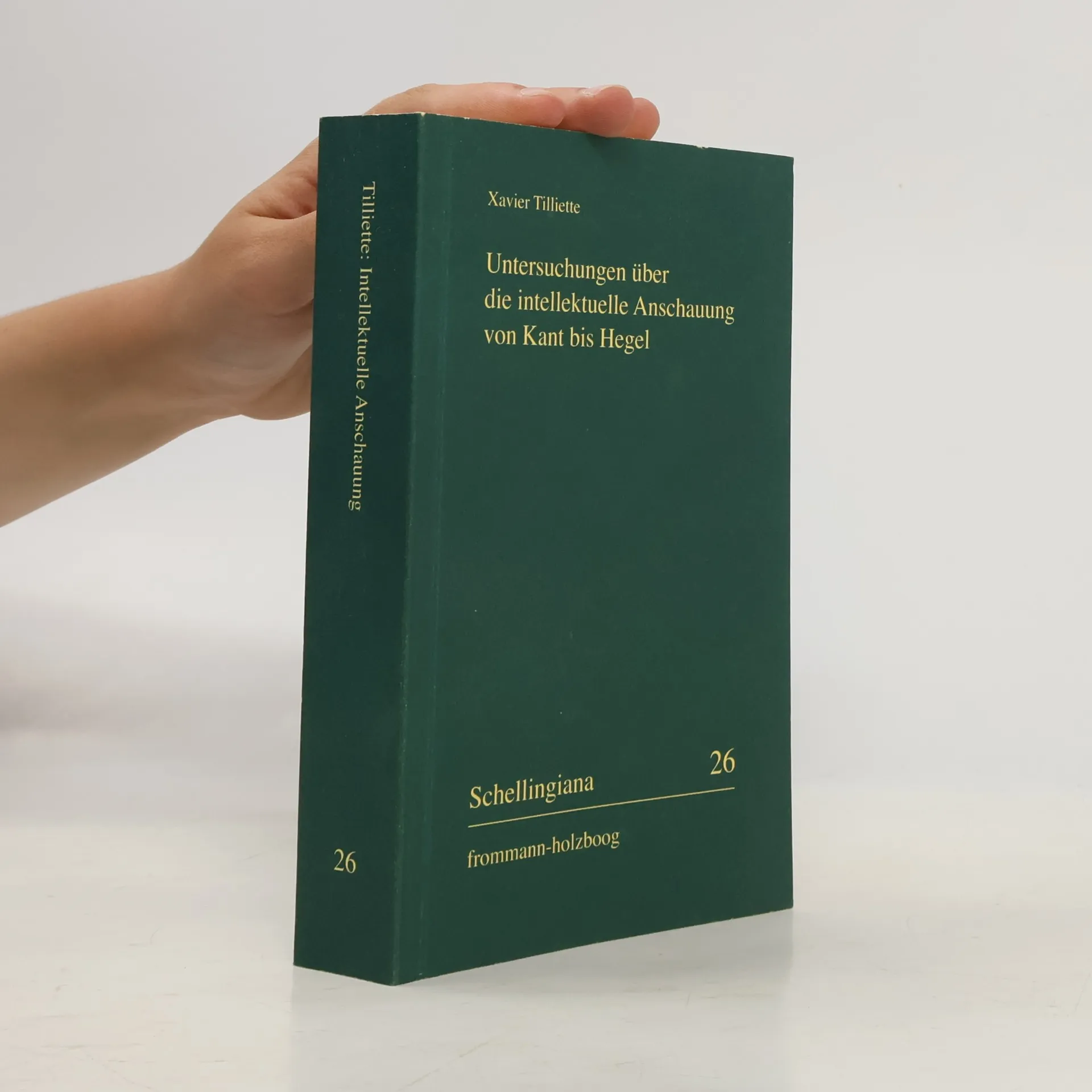
Schellingiana - 26: Untersuchungen über die intellektuelle Anschauung von Kant bis Hegel
Více o knize
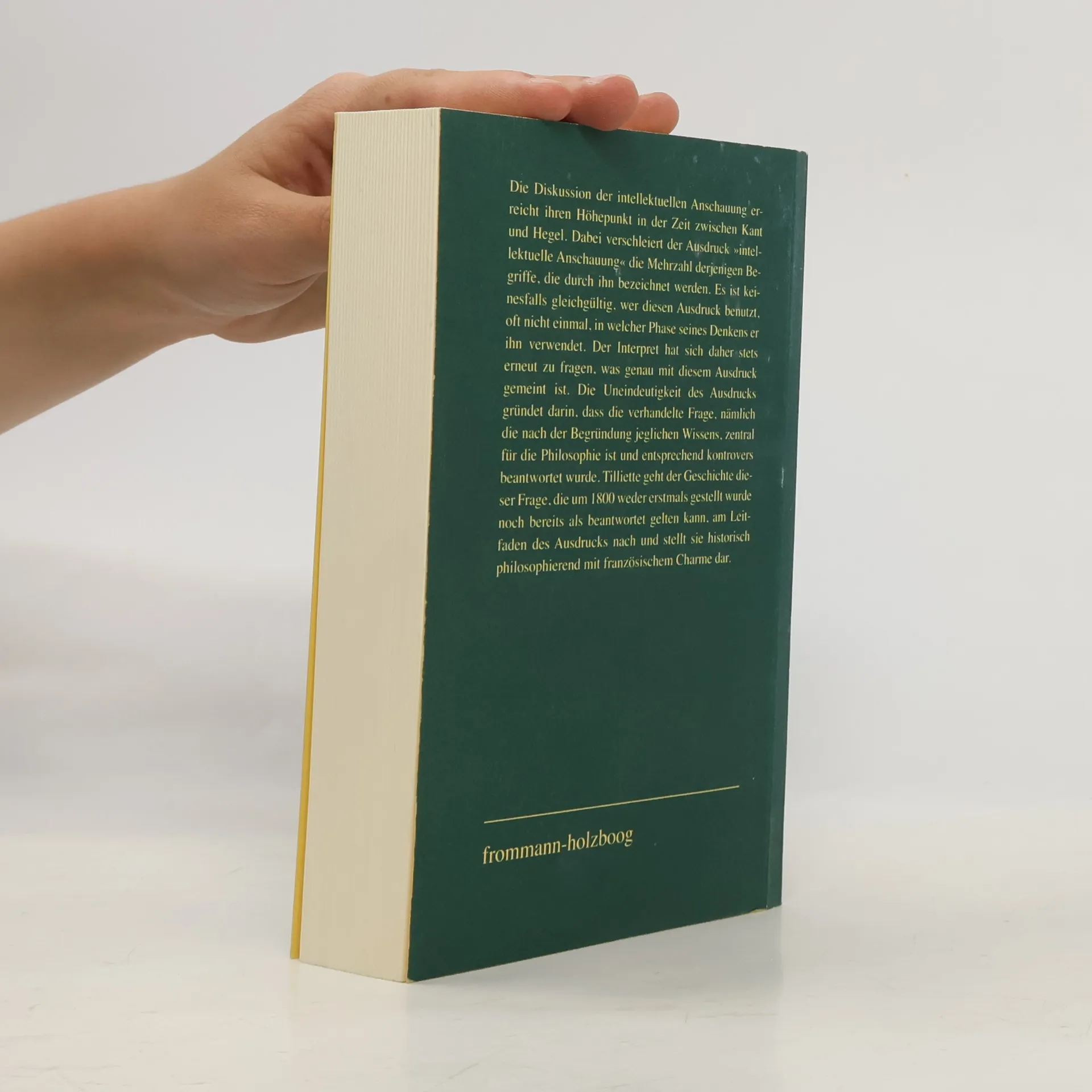
The discussion of intellectual intuition peaks between Kant and Hegel, yet the term conceals the various concepts it represents. The significance of who uses this term, and at what stage of their thinking, is crucial. Interpreters must continually reassess what is meant by it. This ambiguity arises because the foundational question of knowledge is central to philosophy and has sparked diverse and controversial answers. Tilliette explores the history of this question, which was neither first posed nor definitively answered around 1800. He uses the concept of expression as a guide, presenting the discussion with a historically philosophical lens and a touch of French charm.
Nákup knihy
Schellingiana - 26: Untersuchungen über die intellektuelle Anschauung von Kant bis Hegel, Volker Gerhardt, Wilhelm G. Jacobs, Xavier Tilliette, Lisa Egloff
- Jazyk

- Rok vydání
- 2015
- Vazba
- (měkká)
Doručení
Platební metody
Nikdo zatím neohodnotil.
- Titul
- Schellingiana - 26: Untersuchungen über die intellektuelle Anschauung von Kant bis Hegel
- Jazyk
- německy
- Vydavatel
- Frommann-Holzboog
- Rok vydání
- 2015
- Vazba
- měkká
- Počet stran
- 473
- ISBN10
- 3772826229
- ISBN13
- 9783772826221
- Série
- Štítky
- Filosofická tématika, Německo, Francie, Duchové a přízraky, Historie filosofie, Teorie poznání, Idealismus, Německá filozofie
- Anotace
- The discussion of intellectual intuition peaks between Kant and Hegel, yet the term conceals the various concepts it represents. The significance of who uses this term, and at what stage of their thinking, is crucial. Interpreters must continually reassess what is meant by it. This ambiguity arises because the foundational question of knowledge is central to philosophy and has sparked diverse and controversial answers. Tilliette explores the history of this question, which was neither first posed nor definitively answered around 1800. He uses the concept of expression as a guide, presenting the discussion with a historically philosophical lens and a touch of French charm.