

What, You Don't Know Grapus?
Autoři
Více o knize
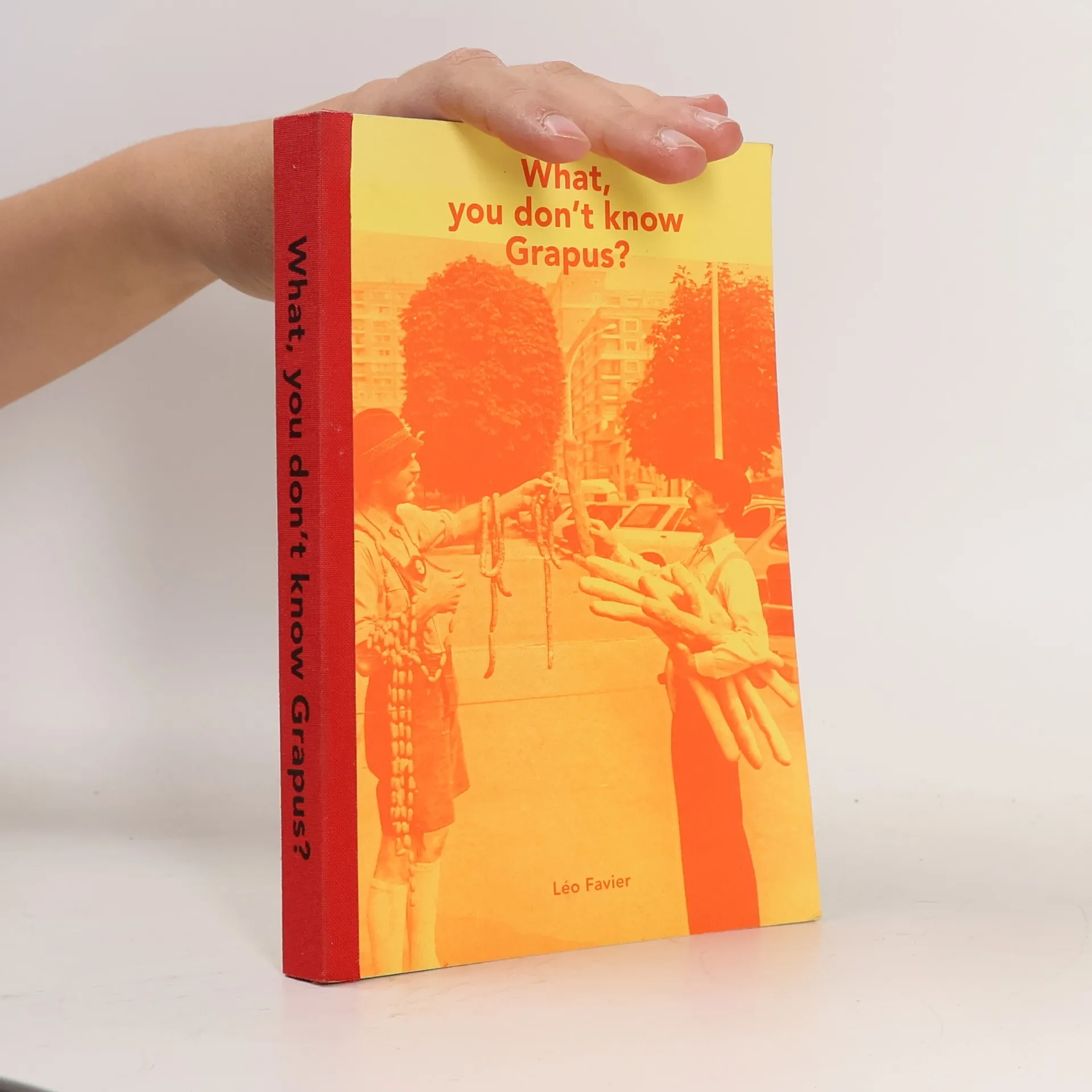
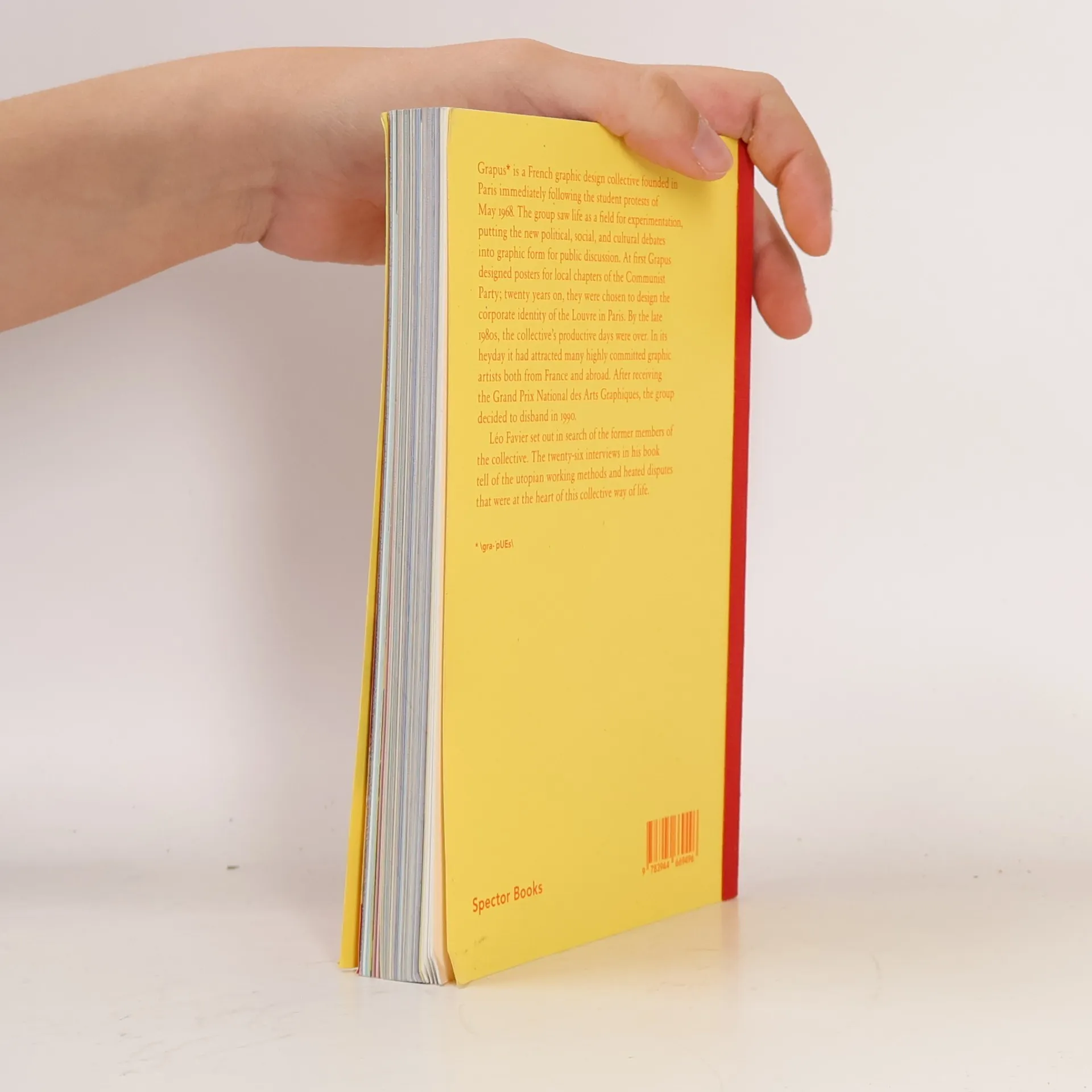
Grapus is a French graphic design collective founded in Paris by François Miehe, Pierre Bernard and Gérard Paris-Clavel immediately following the student protests of May 1968. The group saw life as a field for experimentation, putting the new political, social and cultural debates into graphic form for public discussion. At first Grapus designed posters for local chapters of the Communist Party; 20 years later, they designed the corporate identity for the Louvre in Paris. By the late 1980s, the collective’s fruitful days were over. In its productive phase it had attracted many highly-committed graphic artists, and was honoured with the French Grand prix national des arts plastiques in 1990. Léo Favier set out in search of the colleagues and fellow campaigners of old. The 25 interviews in his book tell of the utopian working methods and heated disputes that formed the heart of this collective way of life.
Nákup knihy
What, You Don't Know Grapus?, Léo Favier
- Jazyk

- Rok vydání
- 1988
- Vazba
- (měkká)
Doručení
Platební metody
Nikdo zatím neohodnotil.
- Titul
- What, You Don't Know Grapus?
- Jazyk
- anglicky
- Autoři
- Léo Favier
- Vydavatel
- Spector Books
- Rok vydání
- 1988
- Vazba
- měkká
- Počet stran
- 224
- ISBN10
- 3944669495
- ISBN13
- 9783944669496
- Série
- Anotace
- Grapus is a French graphic design collective founded in Paris by François Miehe, Pierre Bernard and Gérard Paris-Clavel immediately following the student protests of May 1968. The group saw life as a field for experimentation, putting the new political, social and cultural debates into graphic form for public discussion. At first Grapus designed posters for local chapters of the Communist Party; 20 years later, they designed the corporate identity for the Louvre in Paris. By the late 1980s, the collective’s fruitful days were over. In its productive phase it had attracted many highly-committed graphic artists, and was honoured with the French Grand prix national des arts plastiques in 1990. Léo Favier set out in search of the colleagues and fellow campaigners of old. The 25 interviews in his book tell of the utopian working methods and heated disputes that formed the heart of this collective way of life.