

Více o knize
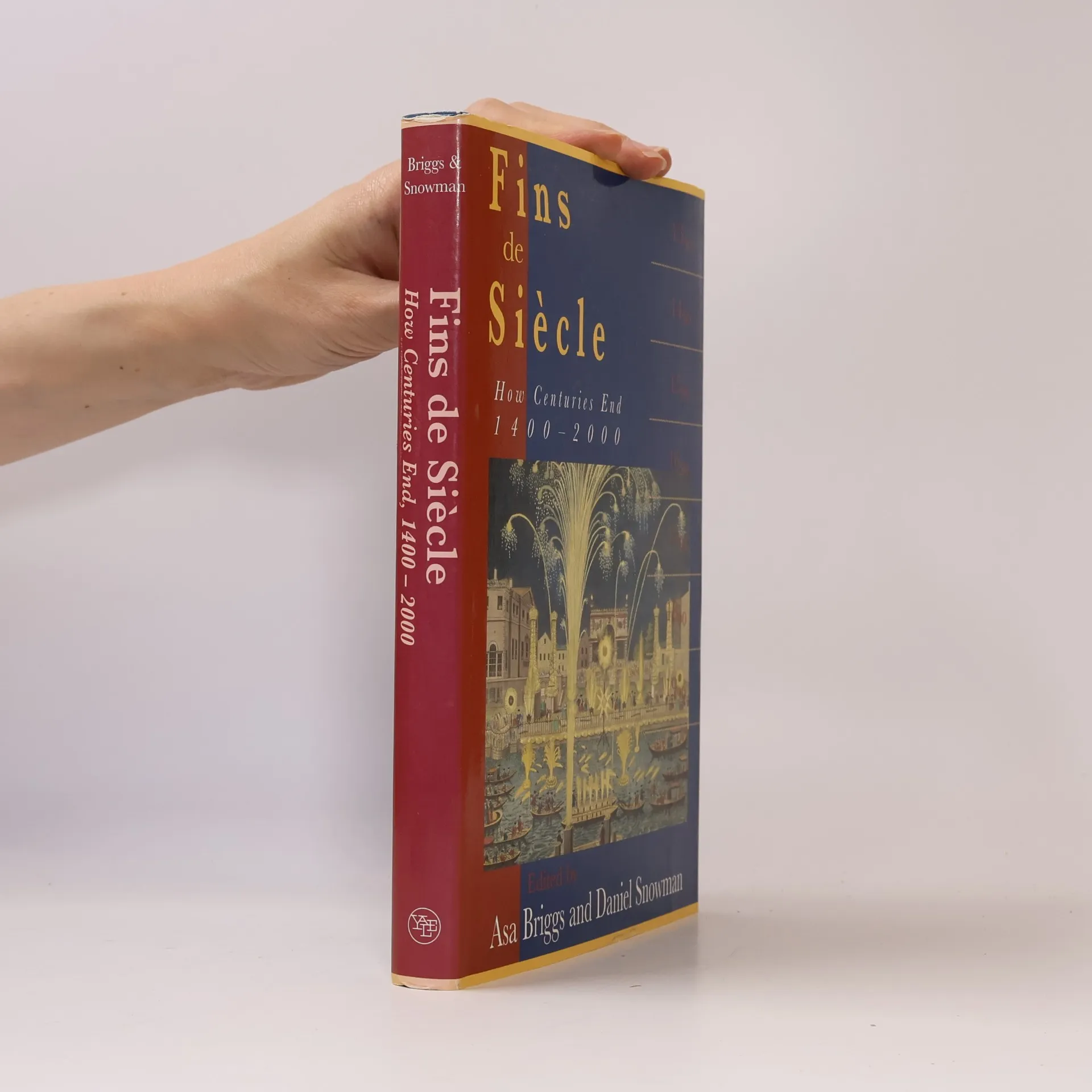
As we approach the new millennium, we find ourselves reassessing the past and looking forward to a new future. Has the prospect of a new century always provided a 'sense of an ending'? In this timely and stimulating book, experts on each century since the fourteenth explore the characteristics of history's final decades and find that a consciousness of time has indeed influenced the way people perceive their place in the past.The writers - Paul Strohm on the 1390s (when signs of a new time consciousness first emerged), Malcolm Vale on the 1490s, Ian Archer on the 1590s, Peter Earle on the 1690s, Roy Porter on the 1790s and Asa Briggs on the 1890s and 1990s - discuss what is common and what is distinctive to each period. Investigating cultural and intellectual attitudes, economic and technological developments, and artistic, scientific and political change, they capture the atmosphere of each end of century. As well as the great watersheds of history, the authors explore the daily lives of ordinary citizens, recounting personal histories and subtle shifts in diet, fashion and design, sex and gender roles, relations between rich and poor and the emergence of language. Illustrations from both high and popular art provide arresting images of the cultural and social fabric of each community.
Nákup knihy
Fins de siecle, Asa Briggs, Daniel Snowman
- Jazyk

- Rok vydání
- 1996
- Vazba
- (pevná)
Doručení
Platební metody
Nikdo zatím neohodnotil.
- Titul
- Fins de siecle
- Podtitul
- How Centuries End, 1400-2000
- Jazyk
- anglicky
- Autoři
- Asa Briggs, Daniel Snowman
- Vydavatel
- Yale University Press
- Rok vydání
- 1996
- Vazba
- pevná
- Počet stran
- 248
- ISBN10
- 0300066872
- ISBN13
- 9780300066876
- Série
- Anotace
- As we approach the new millennium, we find ourselves reassessing the past and looking forward to a new future. Has the prospect of a new century always provided a 'sense of an ending'? In this timely and stimulating book, experts on each century since the fourteenth explore the characteristics of history's final decades and find that a consciousness of time has indeed influenced the way people perceive their place in the past.The writers - Paul Strohm on the 1390s (when signs of a new time consciousness first emerged), Malcolm Vale on the 1490s, Ian Archer on the 1590s, Peter Earle on the 1690s, Roy Porter on the 1790s and Asa Briggs on the 1890s and 1990s - discuss what is common and what is distinctive to each period. Investigating cultural and intellectual attitudes, economic and technological developments, and artistic, scientific and political change, they capture the atmosphere of each end of century. As well as the great watersheds of history, the authors explore the daily lives of ordinary citizens, recounting personal histories and subtle shifts in diet, fashion and design, sex and gender roles, relations between rich and poor and the emergence of language. Illustrations from both high and popular art provide arresting images of the cultural and social fabric of each community.