

Více o knize
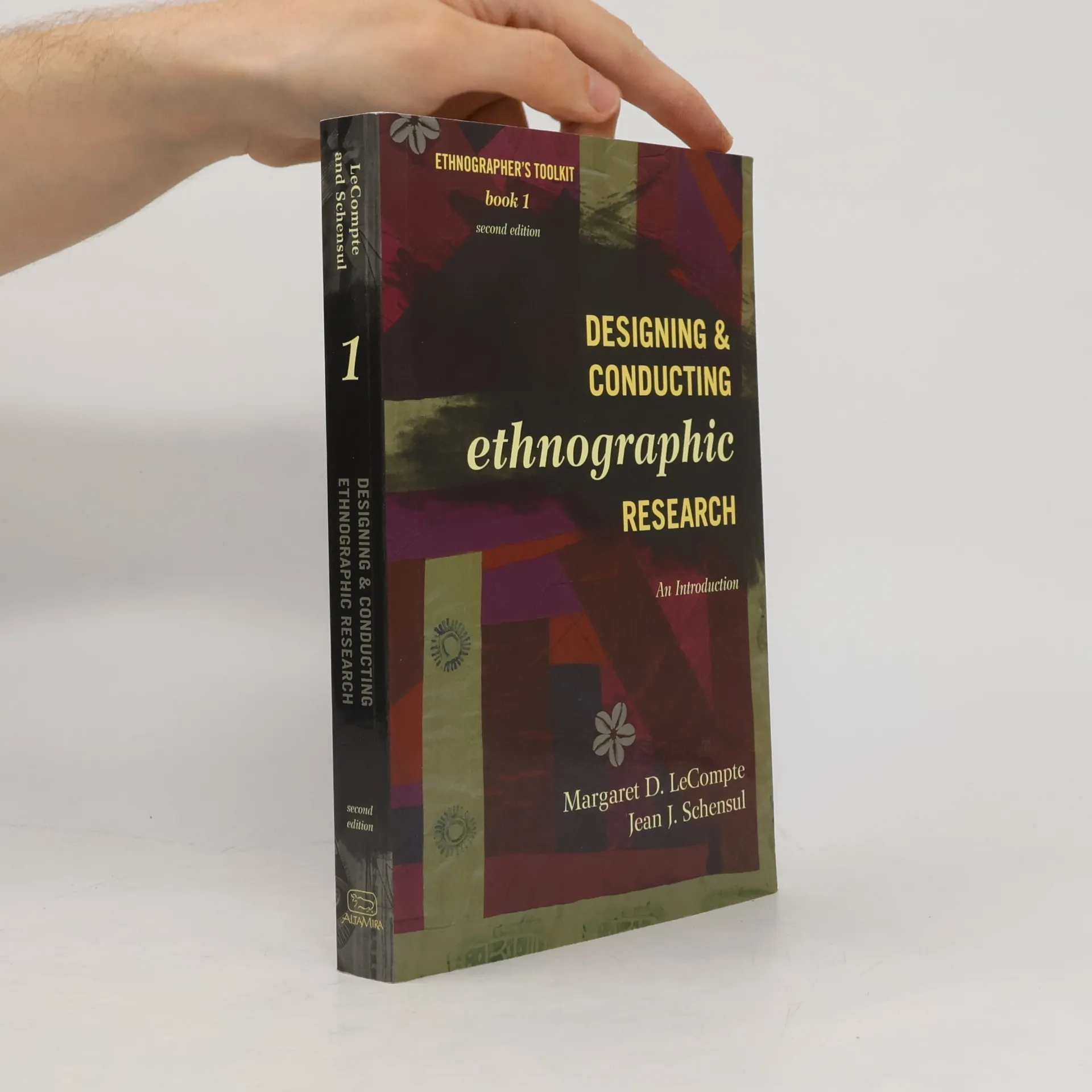
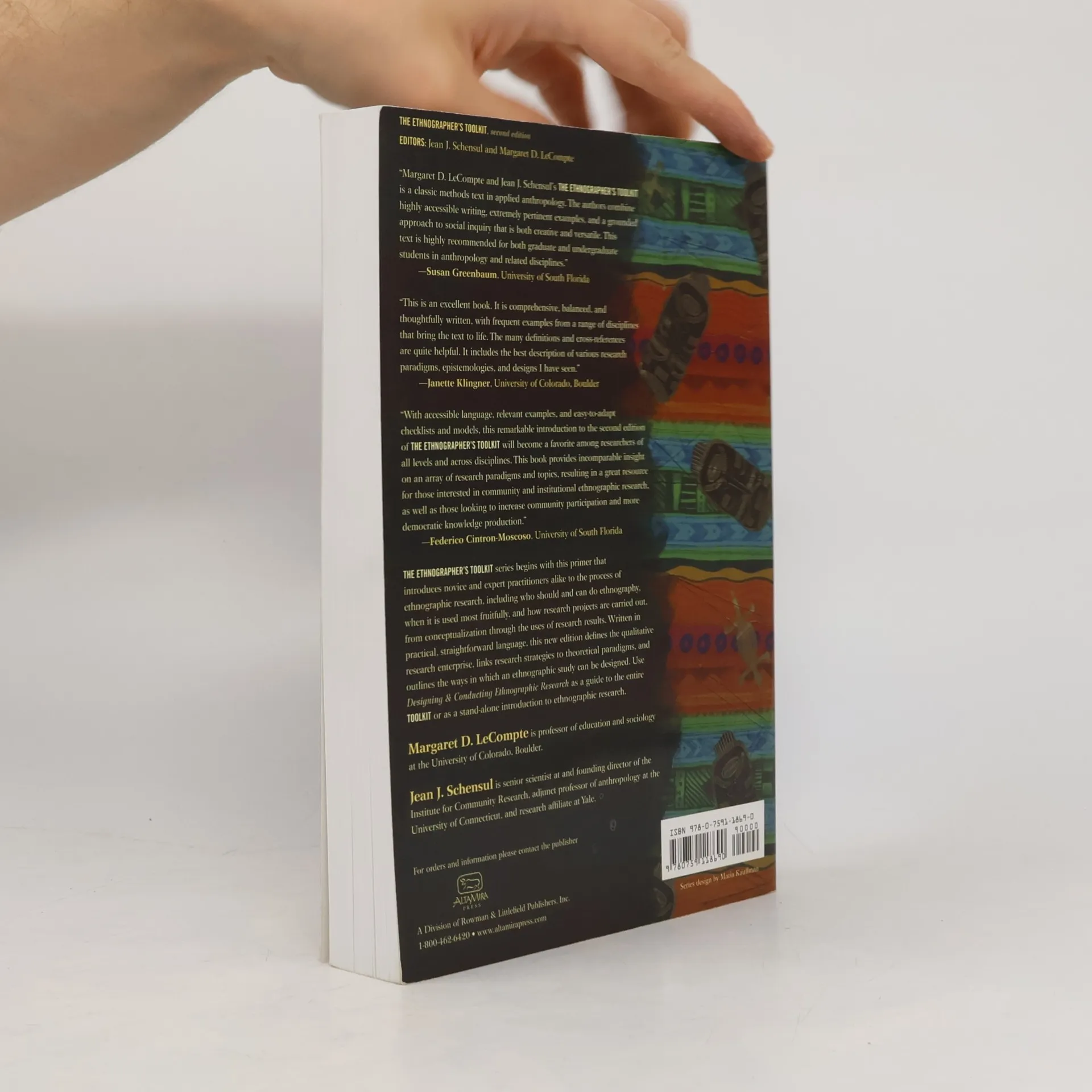
This primer, the first in a seven-book series, serves as an introduction to ethnographic research for both novice and expert practitioners. It addresses key questions about who can conduct ethnography, when it is most beneficial, and the process from conceptualization to application of research findings. Written in accessible language, this edition clarifies the qualitative research landscape, connects research strategies to theoretical frameworks, and provides guidance on designing ethnographic studies. It can be used as a comprehensive guide to the entire Toolkit or as a standalone resource for understanding ethnographic research. The series includes additional volumes that cover various aspects of ethnography, including initiating research, essential and specialized methods, data analysis and interpretation, ethical considerations, and practical applications. Each book builds on the foundational concepts introduced here, making the series a valuable resource for anyone interested in the field.
Nákup knihy
Ethnographer's Toolkit - 1: Designing and Conducting Ethnographic Research, Margaret Diane LeCompte, Jean J. Schensul
- Jazyk

- Rok vydání
- 2010
- Vazba
- (měkká),
- Stav knihy
- Velmi dobrá
- Cena
- 129 Kč
Doručení
Platební metody
Nikdo zatím neohodnotil.
- Titul
- Ethnographer's Toolkit - 1: Designing and Conducting Ethnographic Research
- Podtitul
- An Introduction - Second Edition
- Jazyk
- anglicky
- Vydavatel
- AltaMira Press
- Rok vydání
- 2010
- Vazba
- měkká
- Počet stran
- 376
- ISBN10
- 0759118698
- ISBN13
- 9780759118690
- Série
- Štítky
- Byznys, Etnografie, Výzkum, Statistika, Etnologie, Metodologie
- Anotace
- This primer, the first in a seven-book series, serves as an introduction to ethnographic research for both novice and expert practitioners. It addresses key questions about who can conduct ethnography, when it is most beneficial, and the process from conceptualization to application of research findings. Written in accessible language, this edition clarifies the qualitative research landscape, connects research strategies to theoretical frameworks, and provides guidance on designing ethnographic studies. It can be used as a comprehensive guide to the entire Toolkit or as a standalone resource for understanding ethnographic research. The series includes additional volumes that cover various aspects of ethnography, including initiating research, essential and specialized methods, data analysis and interpretation, ethical considerations, and practical applications. Each book builds on the foundational concepts introduced here, making the series a valuable resource for anyone interested in the field.