

Více o knize
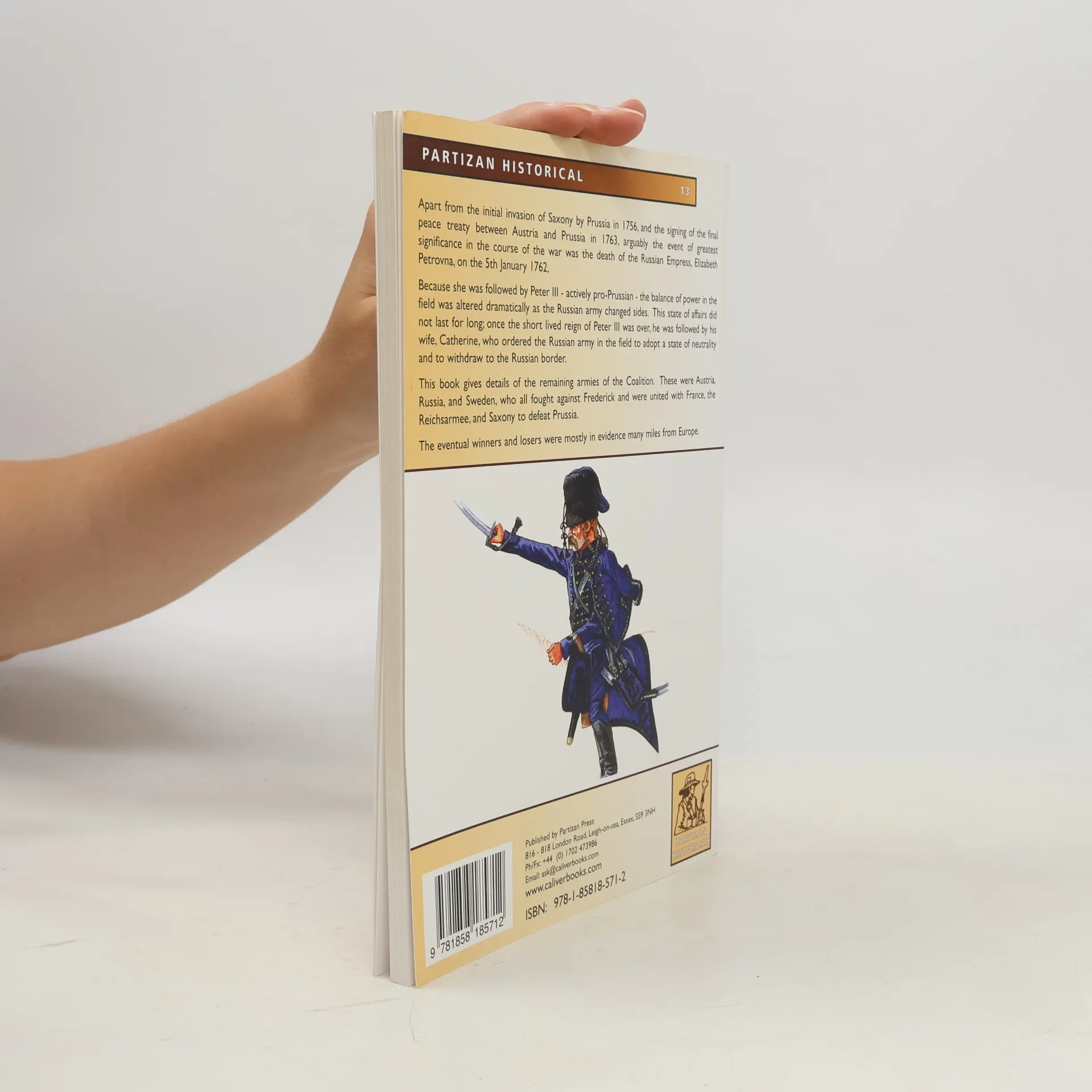
Apart from the initial invasion of Saxony by Prussia in 1756, and the signing of the final peace treaty between Austria and Prussia in 1763, arguably the event of greatest significance in the course of the war was the death of the Russian Empress, Elizabeth Petrovna, on the 5th January 1762,Because she was followed by Peter III - actively pro-Prussian - the balance of power in the field was altered dramatically as the Russian army changed sides. This state of affairs did not last for long; once the short lived reign of Peter III was over, he was followed by his wife, Catherine, who ordered the Russian army in the field to adopt a state of neutrality and to withdraw to the Russian border.This book gives details of the remaining armies of the Coalition. These were Austria, Russia, and Sweden, who all fought against Frederick and were united with France, the Reichsarmee, and Saxony to defeat Prussia.The eventual winners and losers were mostly in evidence many miles from Europe.
Nákup knihy
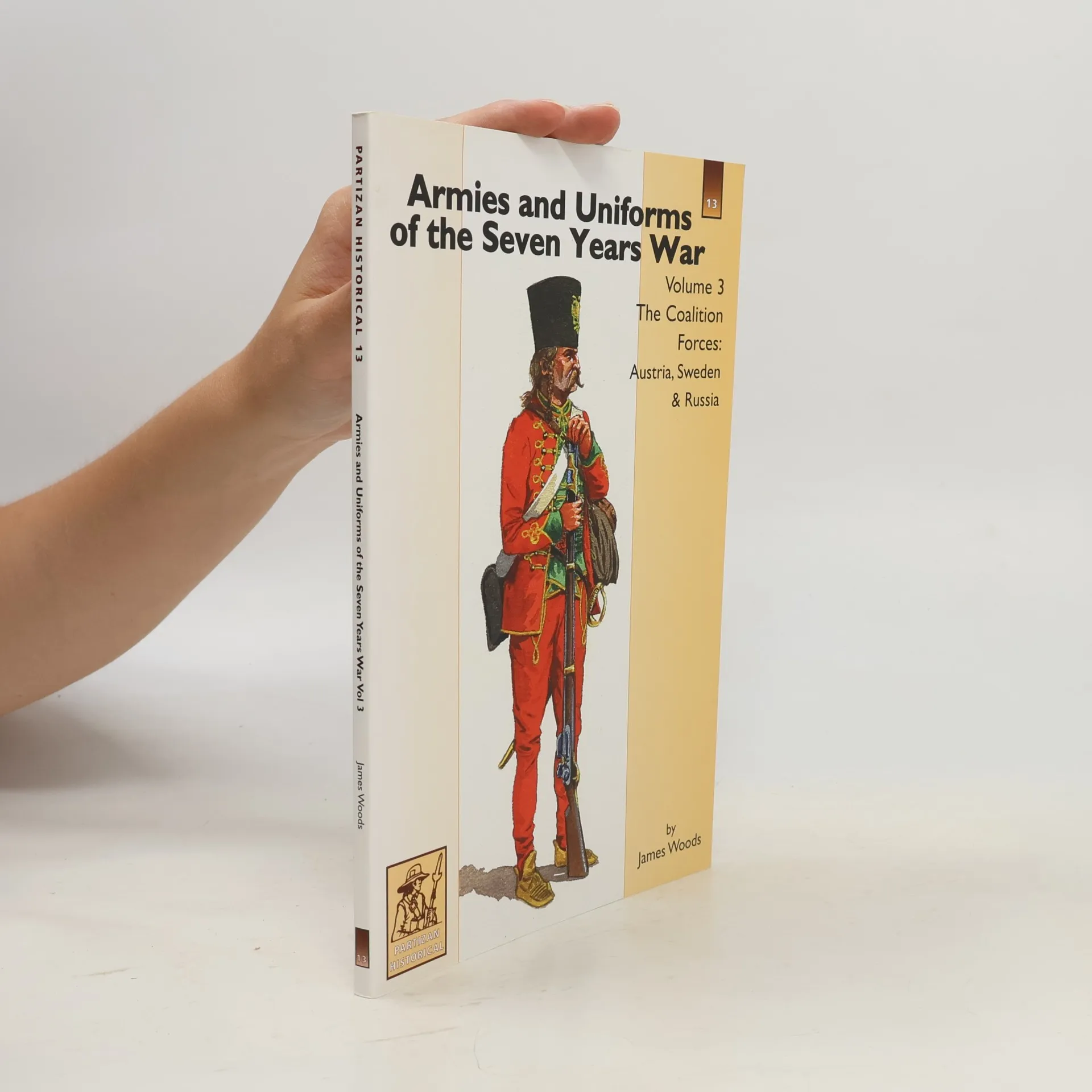
Partizan Historical - 3: Armies And Uniforms Of The Seven Years War, James Woods
- Jazyk

- Rok vydání
- 2008
- Vazba
- (pevná)
Nikdo zatím neohodnotil.
- Titul
- Partizan Historical - 3: Armies And Uniforms Of The Seven Years War
- Podtitul
- The Coalition Forces: Austria, Sweden & Russia
- Jazyk
- anglicky
- Autoři
- James Woods
- Vydavatel
- Partizan Press
- Rok vydání
- 2008
- Vazba
- pevná
- Počet stran
- 96
- ISBN10
- 1858185718
- ISBN13
- 9781858185712
- Série
- Kategorie
- Štítky
- Historické téma, Evropa, Historie Evropy
- Anotace
- Apart from the initial invasion of Saxony by Prussia in 1756, and the signing of the final peace treaty between Austria and Prussia in 1763, arguably the event of greatest significance in the course of the war was the death of the Russian Empress, Elizabeth Petrovna, on the 5th January 1762,Because she was followed by Peter III - actively pro-Prussian - the balance of power in the field was altered dramatically as the Russian army changed sides. This state of affairs did not last for long; once the short lived reign of Peter III was over, he was followed by his wife, Catherine, who ordered the Russian army in the field to adopt a state of neutrality and to withdraw to the Russian border.This book gives details of the remaining armies of the Coalition. These were Austria, Russia, and Sweden, who all fought against Frederick and were united with France, the Reichsarmee, and Saxony to defeat Prussia.The eventual winners and losers were mostly in evidence many miles from Europe.