


Více o knize
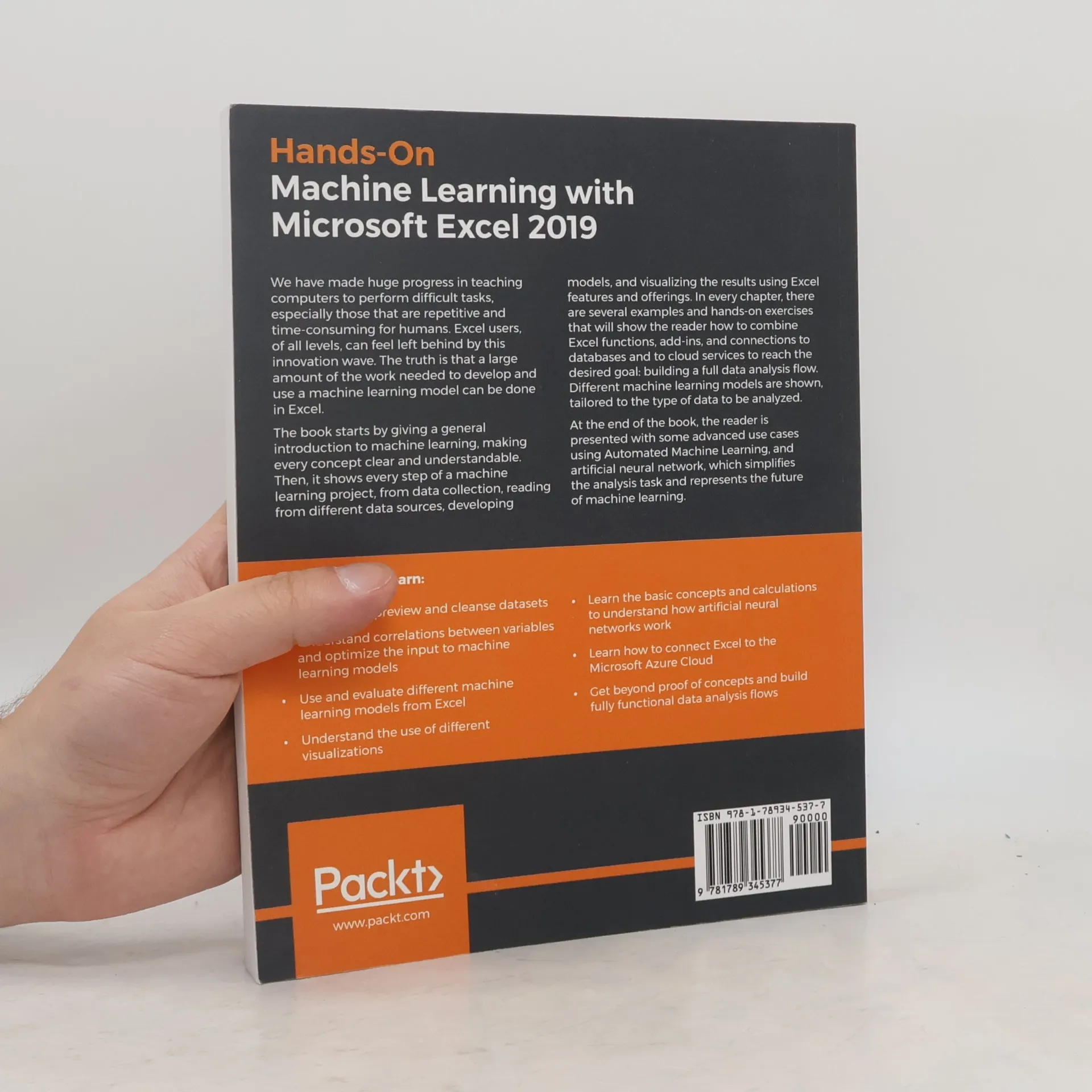
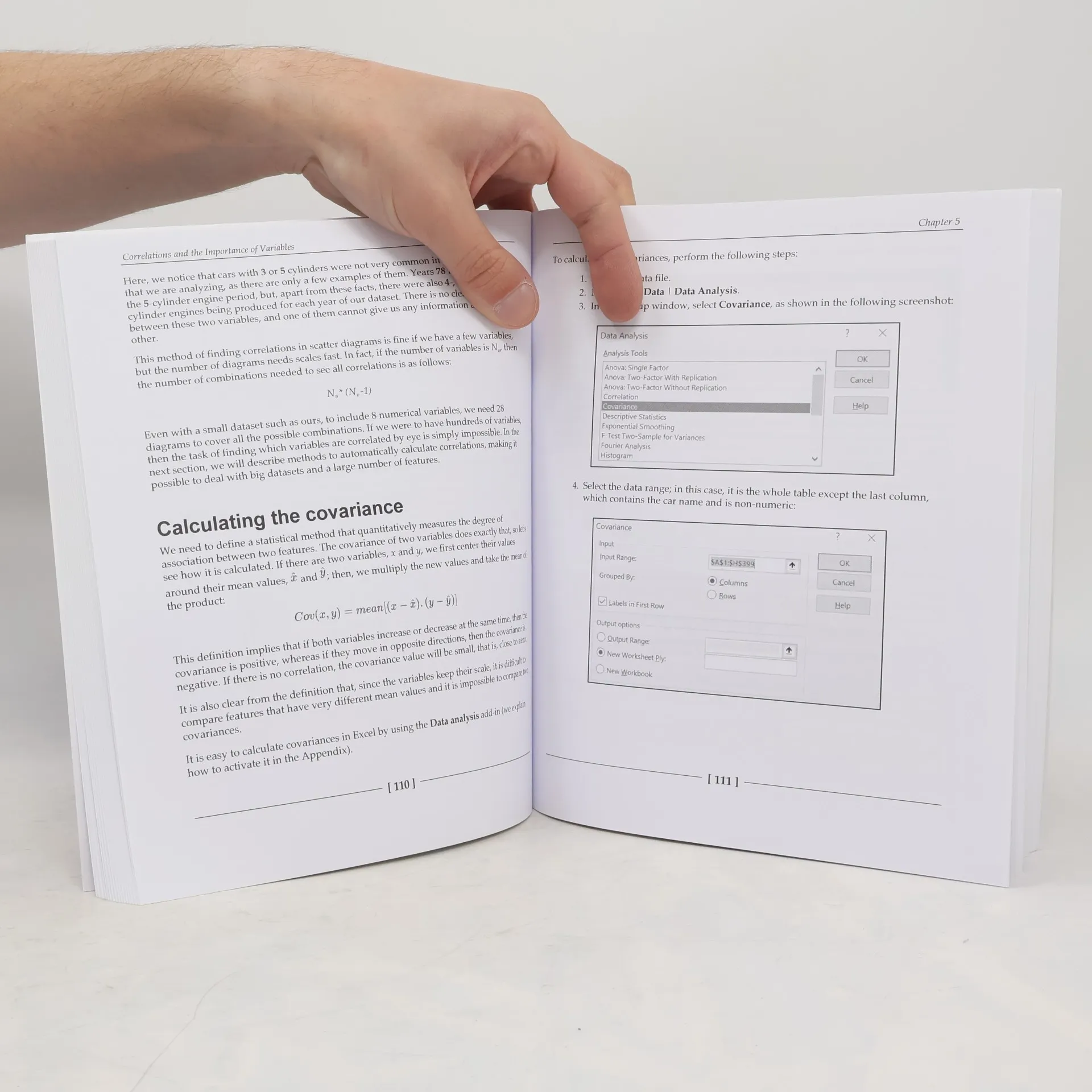
This practical guide helps users maximize Excel for data preparation, machine learning model application, and data analysis interpretation. As advancements in technology evolve, many Excel users may feel overshadowed by these innovations. However, a significant portion of machine learning model development can be accomplished within Excel. The book begins with a clear introduction to machine learning concepts, ensuring accessibility for all readers. It outlines each phase of a machine learning project, including data collection, integration from various sources, model development, and result visualization using Excel’s features. Each chapter includes examples and hands-on exercises that demonstrate how to effectively combine Excel functions, add-ins, and connections to databases and cloud services for comprehensive data analysis. Various machine learning models are presented, tailored to different data types. The book concludes with advanced use cases involving Automated Machine Learning and artificial neural networks, showcasing the future of analysis. This resource is ideal for data analysis and machine learning enthusiasts, project managers, and those seeking to perform essential machine learning tasks with minimal coding. A working knowledge of Excel is necessary to fully benefit from the content.
Nákup knihy
Hands-On Machine Learning with Microsoft Excel 2019, Julio Cesar Rodriguez Martino
- Jazyk

- Rok vydání
- 2019
- Vazba
- (měkká)
Nikdo zatím neohodnotil.
- Titul
- Hands-On Machine Learning with Microsoft Excel 2019
- Podtitul
- Build Complete Data Analysis Flows, from Data Collection to Visualization
- Jazyk
- anglicky
- Vydavatel
- Packt Publishing
- Rok vydání
- 2019
- Vazba
- měkká
- Počet stran
- 254
- ISBN10
- 1789345375
- ISBN13
- 9781789345377
- Série
- Štítky
- Umělá inteligence, Databáze, Strojové učení
- Anotace
- This practical guide helps users maximize Excel for data preparation, machine learning model application, and data analysis interpretation. As advancements in technology evolve, many Excel users may feel overshadowed by these innovations. However, a significant portion of machine learning model development can be accomplished within Excel. The book begins with a clear introduction to machine learning concepts, ensuring accessibility for all readers. It outlines each phase of a machine learning project, including data collection, integration from various sources, model development, and result visualization using Excel’s features. Each chapter includes examples and hands-on exercises that demonstrate how to effectively combine Excel functions, add-ins, and connections to databases and cloud services for comprehensive data analysis. Various machine learning models are presented, tailored to different data types. The book concludes with advanced use cases involving Automated Machine Learning and artificial neural networks, showcasing the future of analysis. This resource is ideal for data analysis and machine learning enthusiasts, project managers, and those seeking to perform essential machine learning tasks with minimal coding. A working knowledge of Excel is necessary to fully benefit from the content.