





Více o knize
Defending Hinduisms Philosophical Unity ,it is fashionable among intellectuals to assert that dharma traditions lacked any semblance of unity before the British period and that the contours of contemporary Hinduism were bequeathed to us by our colonial masters. Such arguments routinely target Swami Vivekananda, a key interlocutor who shattered many deeply rooted prejudices against Indian civilization. They accuse him of having camouflaged various alleged contradictions within traditional Hinduism and charge him with having appropriated the principles of Western religion to manufacture a coherent and unified worldview and set of practices known today as Hinduism. Indras Net: Defending Hinduisms Philosophical Unity provides a foundation for theories that slander contemporary Hinduism as illegitimate, ascribing sinister motives to its existence and characterizing its fabric as oppressive. Rajiv Malhotra offers a detailed, systematic rejoinder to such views and articulates the multidimensional, holographic understanding of reality that grounds Hindu dharma. He also argues that Vivekanandas creative interpretations of Hindu dharma informed and influenced many Western intellectual movements of the post-modern era. Indeed, as he cites with many insightful examples, appropriations from Hinduism have provided a foundation for cutting-edge discoveries in several fields, including cognitive science and neuroscience.
Nákup knihy
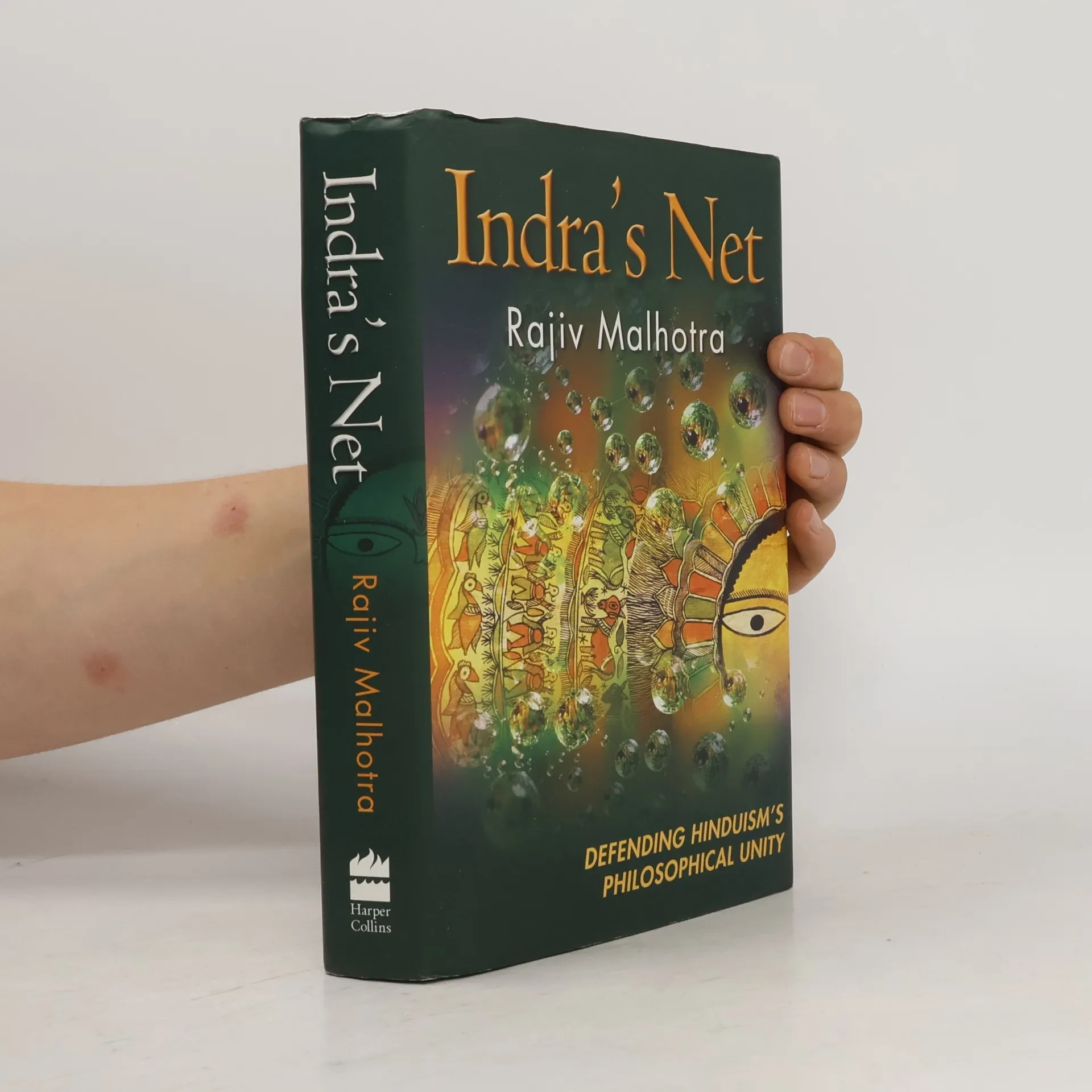
Indra's Net, Rajiv Malhotra
- Jazyk

- Rok vydání
- 2014
- Vazba
- (pevná),
- Stav knihy
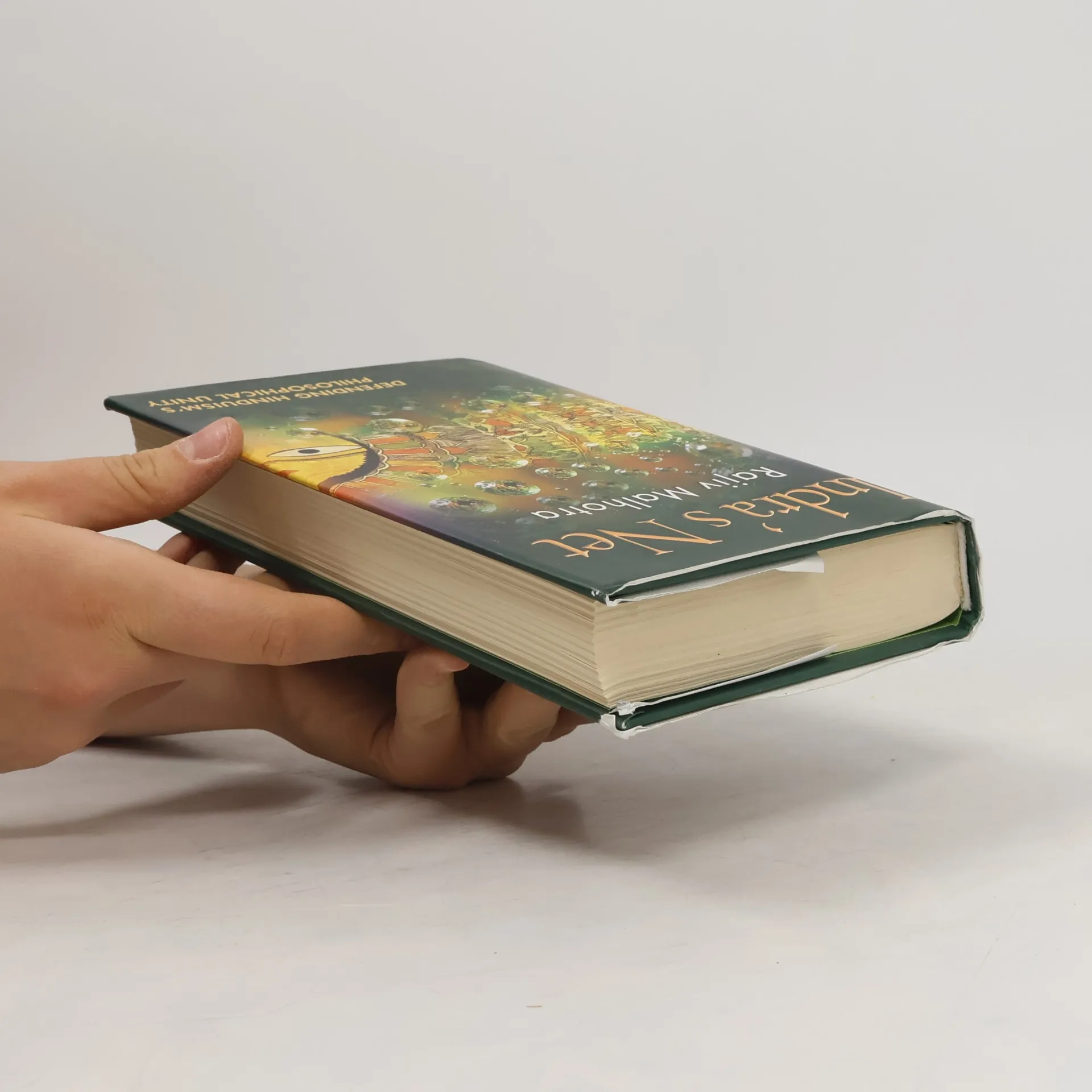
- Poškozená
- Cena
- 124 Kč
Nikdo zatím neohodnotil.
- Titul
- Indra's Net
- Podtitul
- Defending Hinduism's Philosophical Unity
- Jazyk
- anglicky
- Autoři
- Rajiv Malhotra
- Vydavatel
- HarperCollins
- Rok vydání
- 2014
- Vazba
- pevná
- Počet stran
- 396
- ISBN10
- 9351362442
- ISBN13
- 9789351362449
- Série
- Štítky
- Spiritualita a duchovno, Indie
- Anotace
- Defending Hinduisms Philosophical Unity ,it is fashionable among intellectuals to assert that dharma traditions lacked any semblance of unity before the British period and that the contours of contemporary Hinduism were bequeathed to us by our colonial masters. Such arguments routinely target Swami Vivekananda, a key interlocutor who shattered many deeply rooted prejudices against Indian civilization. They accuse him of having camouflaged various alleged contradictions within traditional Hinduism and charge him with having appropriated the principles of Western religion to manufacture a coherent and unified worldview and set of practices known today as Hinduism. Indras Net: Defending Hinduisms Philosophical Unity provides a foundation for theories that slander contemporary Hinduism as illegitimate, ascribing sinister motives to its existence and characterizing its fabric as oppressive. Rajiv Malhotra offers a detailed, systematic rejoinder to such views and articulates the multidimensional, holographic understanding of reality that grounds Hindu dharma. He also argues that Vivekanandas creative interpretations of Hindu dharma informed and influenced many Western intellectual movements of the post-modern era. Indeed, as he cites with many insightful examples, appropriations from Hinduism have provided a foundation for cutting-edge discoveries in several fields, including cognitive science and neuroscience.