


Více o knize
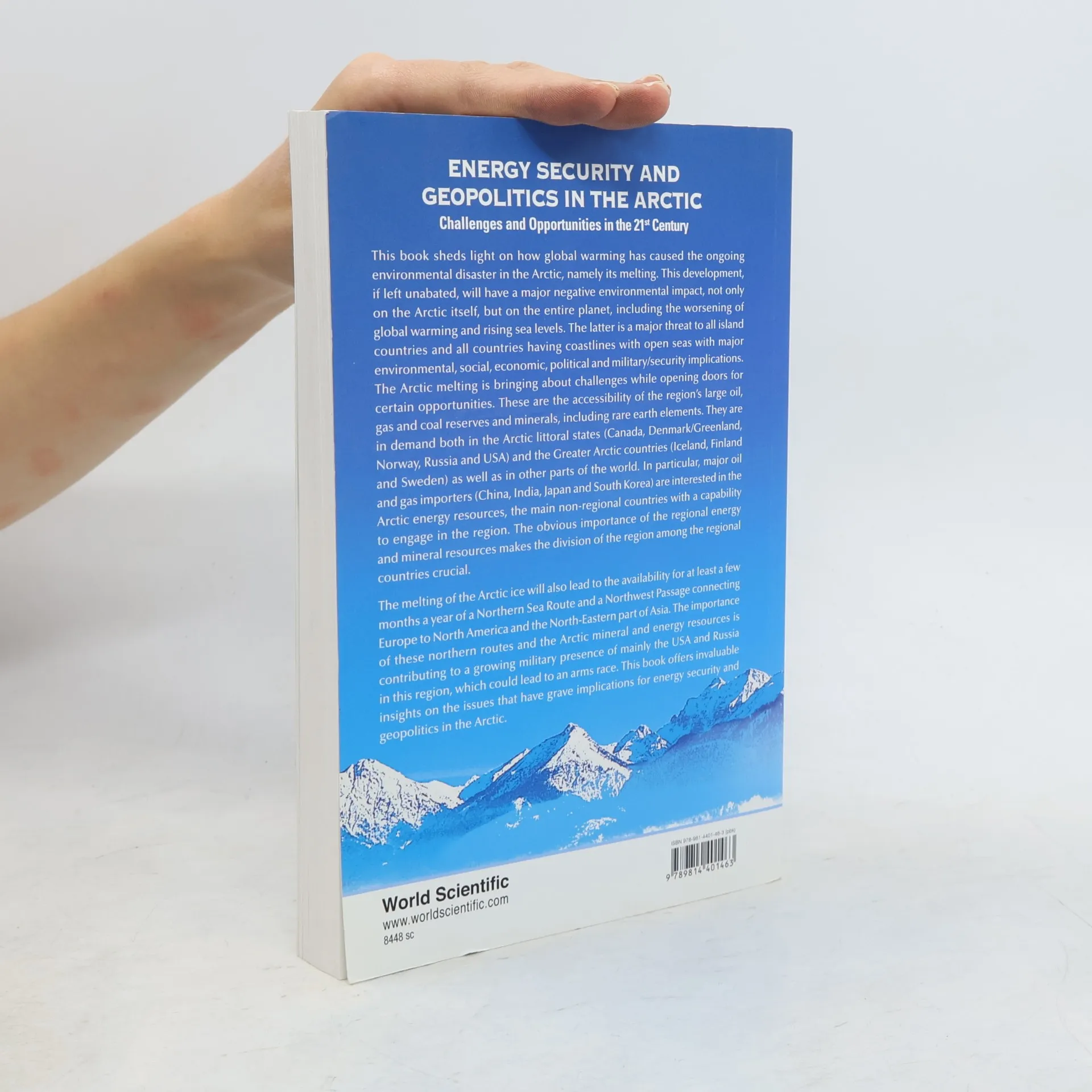
This book illuminates the impact of global warming on the Arctic, particularly its melting ice, which poses significant environmental threats not only to the region but also to the entire planet. If unchecked, this phenomenon will exacerbate global warming and contribute to rising sea levels, endangering island nations and coastal countries, with far-reaching environmental, social, economic, political, and military implications. While the melting Arctic presents challenges, it also creates opportunities, particularly regarding access to vast reserves of oil, gas, coal, and minerals, including rare earth elements. These resources are in high demand from both Arctic littoral states (Canada, Denmark/Greenland, Norway, Russia, and the USA) and Greater Arctic countries (Iceland, Finland, and Sweden), as well as major importers like China, India, Japan, and South Korea. The strategic importance of these resources necessitates careful division among regional countries. Additionally, the ice melt will facilitate the Northern Sea Route and Northwest Passage, enhancing connectivity between Europe, North America, and Northeast Asia. This increased accessibility is leading to a heightened military presence, primarily from the USA and Russia, raising concerns about a potential arms race. The book provides critical insights into these pressing issues, highlighting their implications for energy security and geopolitics in the Arctic.
Nákup knihy
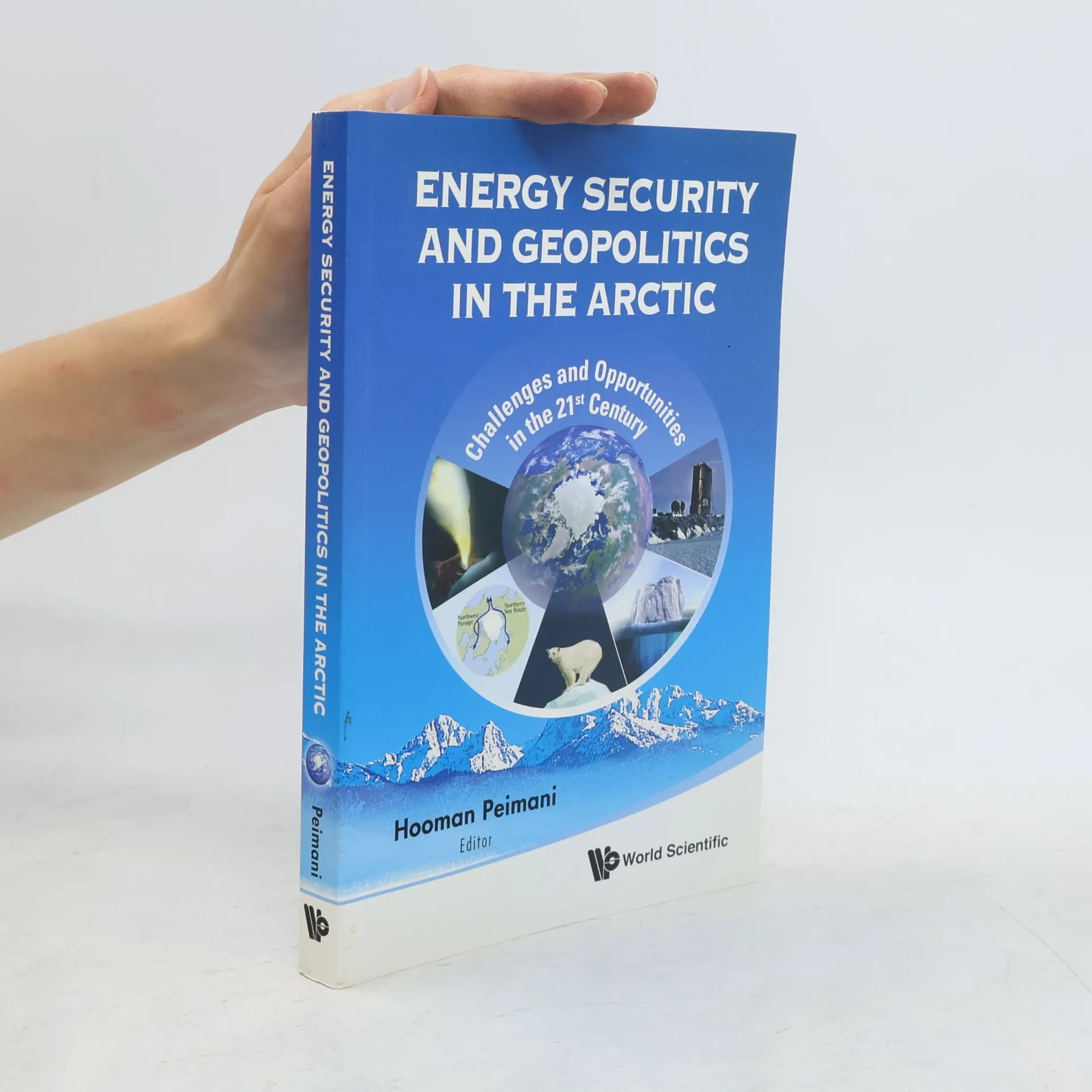
ENERGY SECURITY AND GEOPOLITICS IN THE ARCTIC, Hooman Peimani
- Jazyk

- Rok vydání
- 2012
- Vazba
- (měkká),
- Stav knihy
- Velmi dobrá
- Cena
- 199 Kč
Nikdo zatím neohodnotil.
- Titul
- ENERGY SECURITY AND GEOPOLITICS IN THE ARCTIC
- Podtitul
- CHALLENGES AND OPPORTUNITIES IN THE 21ST CENTURY
- Jazyk
- anglicky
- Autoři
- Hooman Peimani
- Vydavatel
- World Scientific Publishing Company
- Rok vydání
- 2012
- Vazba
- měkká
- Počet stran
- 320
- ISBN10
- 9814401463
- ISBN13
- 9789814401463
- Série
- Kategorie
- Štítky
- Byznys, Asie, Politické teorie, Energie, Geopolitika, Arktida, Environmentální ekonomie, Globální oteplování
- Anotace
- This book illuminates the impact of global warming on the Arctic, particularly its melting ice, which poses significant environmental threats not only to the region but also to the entire planet. If unchecked, this phenomenon will exacerbate global warming and contribute to rising sea levels, endangering island nations and coastal countries, with far-reaching environmental, social, economic, political, and military implications. While the melting Arctic presents challenges, it also creates opportunities, particularly regarding access to vast reserves of oil, gas, coal, and minerals, including rare earth elements. These resources are in high demand from both Arctic littoral states (Canada, Denmark/Greenland, Norway, Russia, and the USA) and Greater Arctic countries (Iceland, Finland, and Sweden), as well as major importers like China, India, Japan, and South Korea. The strategic importance of these resources necessitates careful division among regional countries. Additionally, the ice melt will facilitate the Northern Sea Route and Northwest Passage, enhancing connectivity between Europe, North America, and Northeast Asia. This increased accessibility is leading to a heightened military presence, primarily from the USA and Russia, raising concerns about a potential arms race. The book provides critical insights into these pressing issues, highlighting their implications for energy security and geopolitics in the Arctic.