

Delacroix and the Matter of Finish
Více o knize
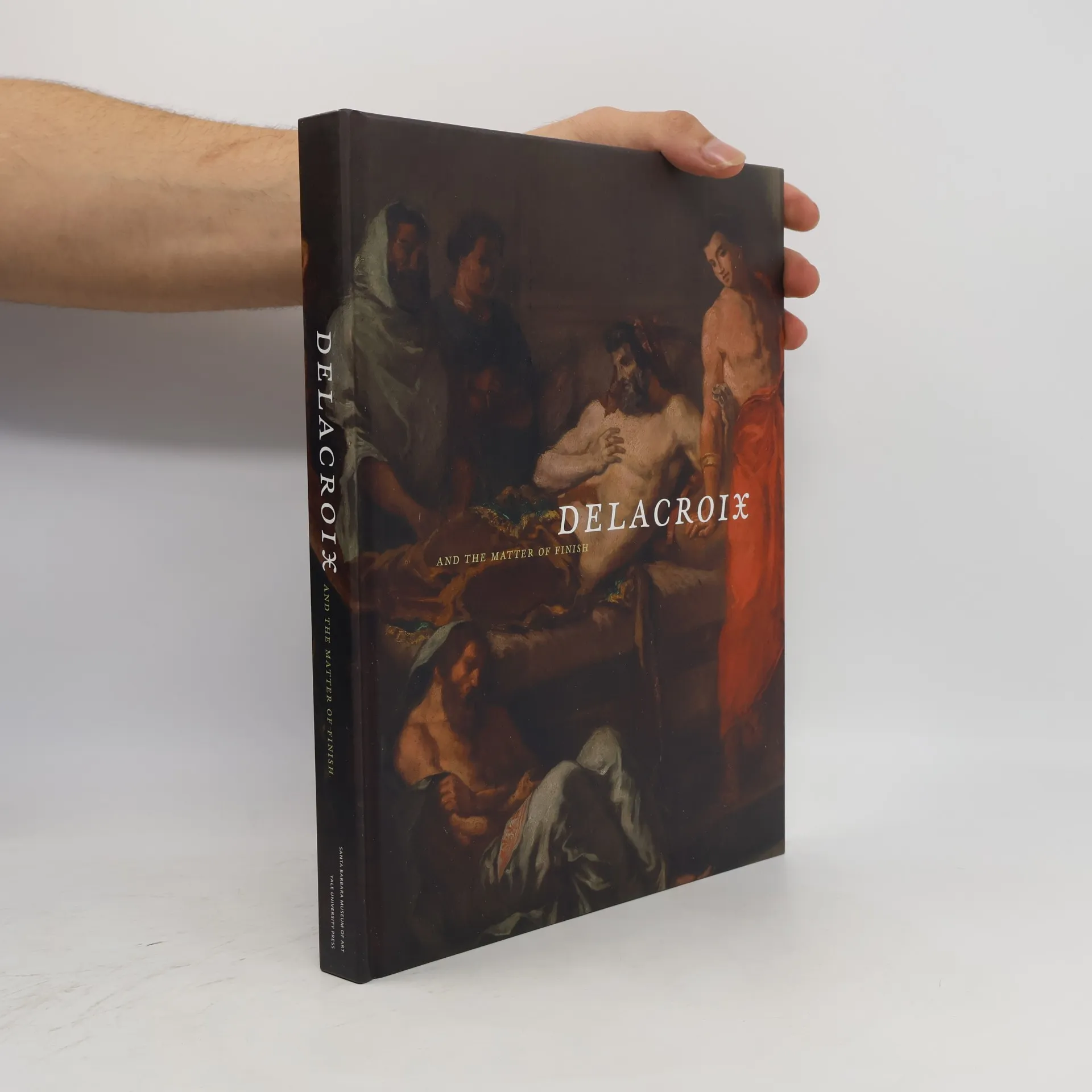
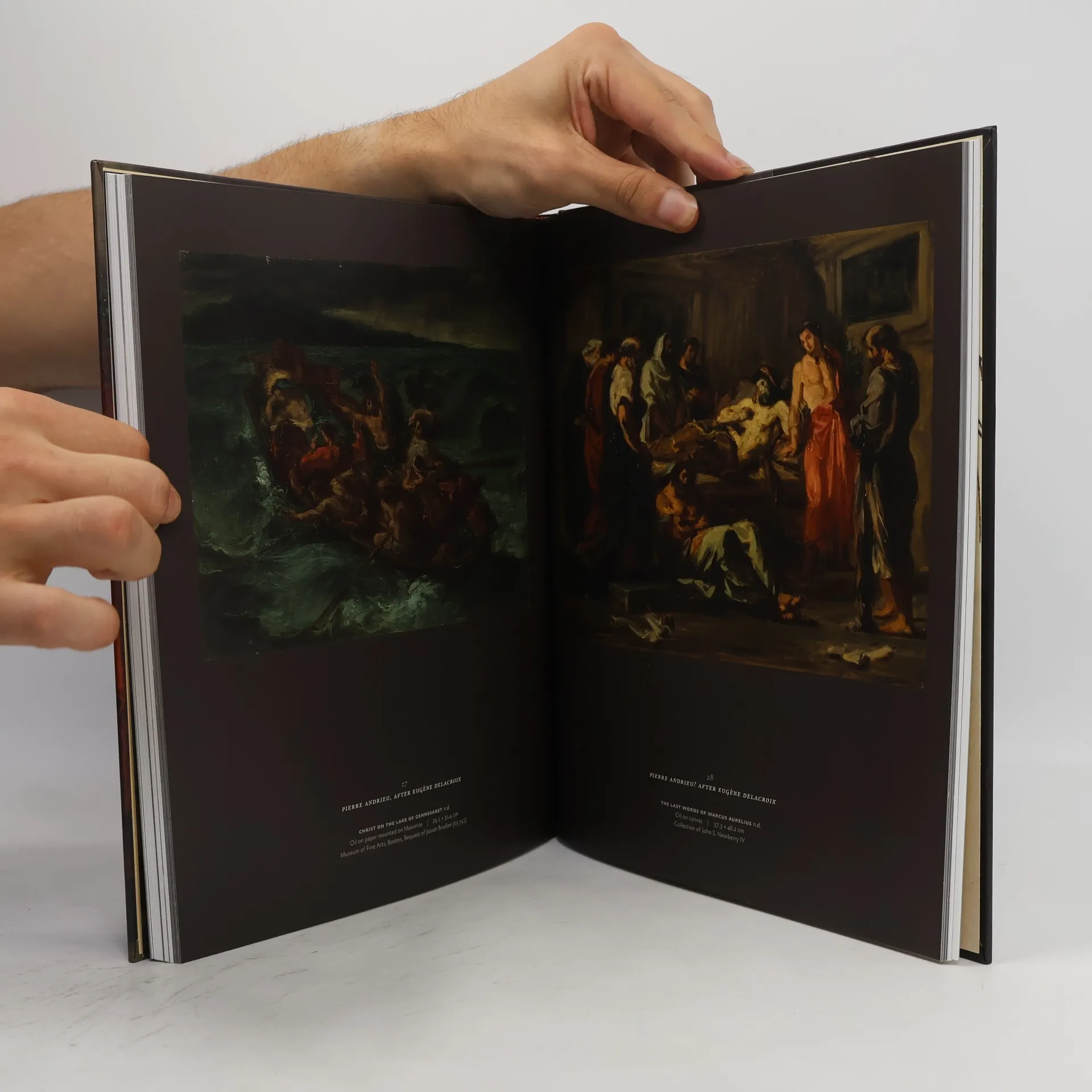
This groundbreaking publication centers on a previously unknown variation of Eugène Delacroix’s (1798–1863) dramatic masterpiece The Last Words of the Emperor Marcus Aurelius, published here for the first time. This book offers a compelling reassessment of the relationship of the artist, widely considered a primary exemplar of Romanticism, to Neoclassical themes, as demonstrated by his life-long fascination with the death of Marcus Aurelius. Through this investigation, the authors reinterpret Delacroix’s lineage to such fellow artists as Jean-Auguste Dominique Ingres (1780–1867) and Jacques-Louis David (1748–1825). Playing on the various interpretations of the word “finish,” the book also offers a fascinating account of Delacroix’s famously troubled collaboration with his studio assistants, his conflicted feelings about pedagogy, and his preoccupation with the fate of civilizations.
Nákup knihy
Delacroix and the Matter of Finish, Gotlib, Eik Kahng, Michèle Hannoosh
- Jazyk

- Rok vydání
- 2013
- Vazba
- (pevná)
Doručení
Platební metody
Nikdo zatím neohodnotil.
- Titul
- Delacroix and the Matter of Finish
- Jazyk
- anglicky
- Autoři
- Gotlib, Eik Kahng, Michèle Hannoosh
- Vydavatel
- Yale University Press
- Rok vydání
- 2013
- Vazba
- pevná
- Počet stran
- 165
- ISBN10
- 0300199449
- ISBN13
- 9780300199444
- Série
- Anotace
- This groundbreaking publication centers on a previously unknown variation of Eugène Delacroix’s (1798–1863) dramatic masterpiece The Last Words of the Emperor Marcus Aurelius, published here for the first time. This book offers a compelling reassessment of the relationship of the artist, widely considered a primary exemplar of Romanticism, to Neoclassical themes, as demonstrated by his life-long fascination with the death of Marcus Aurelius. Through this investigation, the authors reinterpret Delacroix’s lineage to such fellow artists as Jean-Auguste Dominique Ingres (1780–1867) and Jacques-Louis David (1748–1825). Playing on the various interpretations of the word “finish,” the book also offers a fascinating account of Delacroix’s famously troubled collaboration with his studio assistants, his conflicted feelings about pedagogy, and his preoccupation with the fate of civilizations.