



Parametry
- 216 stránek
- 8 hodin čtení
Více o knize
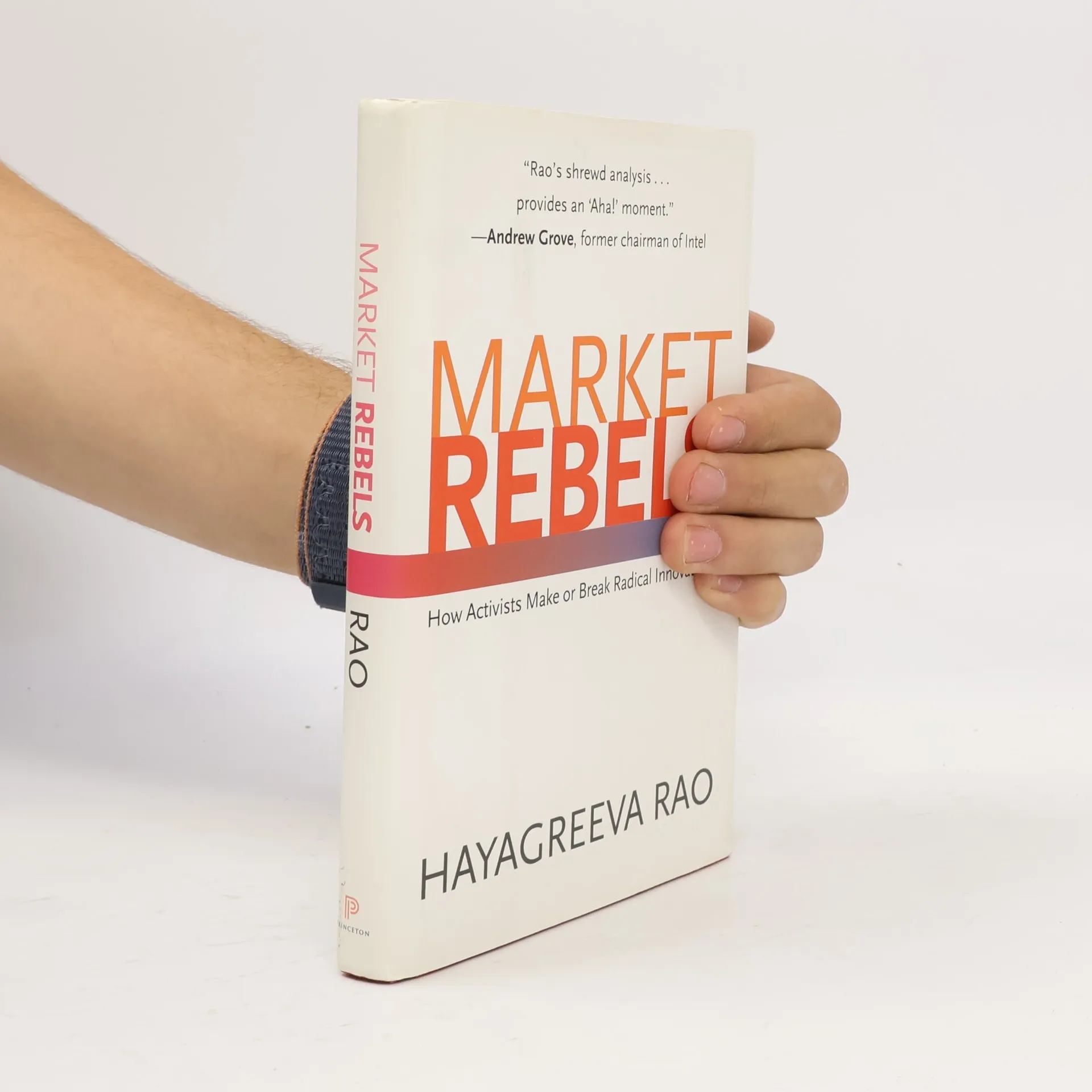
Great individuals are often credited with the success of radical innovations, such as Henry Ford's role in the automobile industry. However, Hayagreeva Rao presents a different perspective, highlighting the impact of "market rebels"—activists who challenge authority and convention. These individuals, rather than singular figures, are the true drivers behind the success or failure of radical innovations. Rao illustrates how automobile enthusiasts played a crucial role in establishing the industry by organizing public reliability races and lobbying for licensing laws, while Ford capitalized on the car's popularity through mass production. He further argues that market rebels create new niches and cultural styles; for instance, craft brewers fought against "industrial beer," leading to the rise of specialty beers in America. Similarly, nouvelle cuisine activists disrupted the dominance of classical cuisine in France, fostering innovation in modern cooking. Market rebels can also hinder radical innovation. Rao discusses how consumer activists have challenged chain stores and how anti-biotechnology activists in Germany have delayed the commercialization of patents. By constructing "hot causes" that evoke strong emotions and employing "cool mobilization" techniques for collective action, these activists shape market dynamics. Ultimately, Rao reveals that the forces driving markets are often the collaborative efforts of market reb
Nákup knihy
Market Rebels, Huggy Rao
- Jazyk

- Rok vydání
- 2008
- Vazba
- (pevná),
- Stav knihy
- Velmi dobrá
- Cena
- 169 Kč
Nikdo zatím neohodnotil.
- Titul
- Market Rebels
- Podtitul
- How Activists Make or Break Radical Innovations
- Jazyk
- anglicky
- Autoři
- Huggy Rao
- Vydavatel
- Princeton University Press
- Rok vydání
- 2008
- Vazba
- pevná
- Počet stran
- 216
- ISBN10
- 0691134561
- ISBN13
- 9780691134567
- Série
- Štítky
- Byznys
- Anotace
- Great individuals are often credited with the success of radical innovations, such as Henry Ford's role in the automobile industry. However, Hayagreeva Rao presents a different perspective, highlighting the impact of "market rebels"—activists who challenge authority and convention. These individuals, rather than singular figures, are the true drivers behind the success or failure of radical innovations. Rao illustrates how automobile enthusiasts played a crucial role in establishing the industry by organizing public reliability races and lobbying for licensing laws, while Ford capitalized on the car's popularity through mass production. He further argues that market rebels create new niches and cultural styles; for instance, craft brewers fought against "industrial beer," leading to the rise of specialty beers in America. Similarly, nouvelle cuisine activists disrupted the dominance of classical cuisine in France, fostering innovation in modern cooking. Market rebels can also hinder radical innovation. Rao discusses how consumer activists have challenged chain stores and how anti-biotechnology activists in Germany have delayed the commercialization of patents. By constructing "hot causes" that evoke strong emotions and employing "cool mobilization" techniques for collective action, these activists shape market dynamics. Ultimately, Rao reveals that the forces driving markets are often the collaborative efforts of market reb