

Více o knize
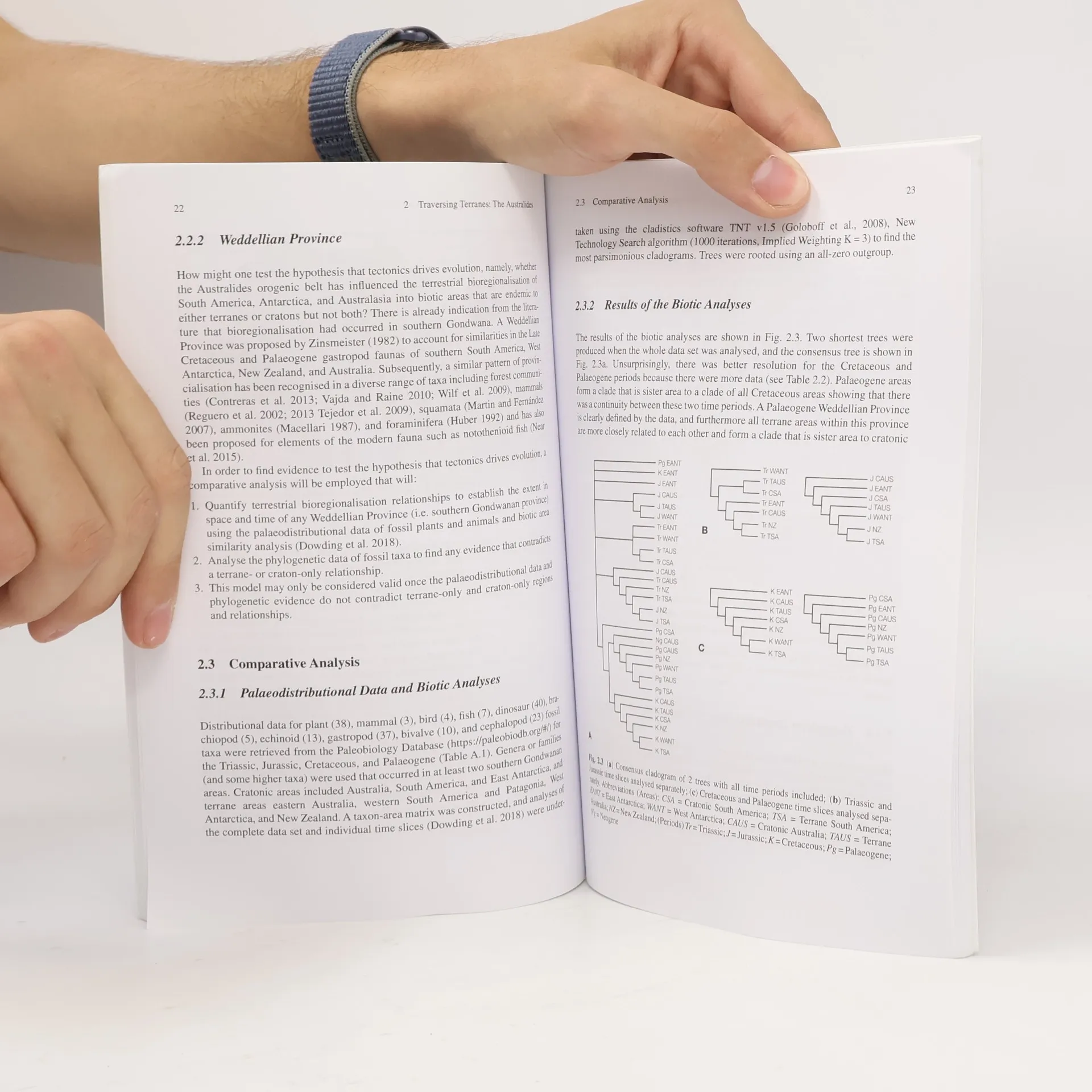
Tectonic plates are constantly moving, either crashing into one another creating a mosaic of mountains and shallow seas, or tearing apart and isolating large swathes of land. In both cases plate tectonics separates populations leading to the evolution of biota. Tectonics is also responsible for the destruction life, for instance when large coral reefs or shallow seas are compressed to form mountain peaks. Could recent research into these processes provide enough evidence to show that tectonics may be the ultimate driver of life on Earth? Our book delves into the current research in tectonics, particularly neotectonics, and its impact on rapid changes on biogeographical classification, also known as bioregionalisation. We also introduce a new term biotectonics that studies the impact of tectonics on biogeoregionalisation. The question we ask is how tectonics directly influences the distribution of biota in four case studies: the Mesozic and early Palaeogene Australides, which spans the Proto-Pacific coast of the South America, Antaractica and Australiasia; and the Neogene of Australia. To conclude we examine the role of neotectonics on tranistion zones and the Amazon Basin and make a case for biotectonic extinction.
Nákup knihy
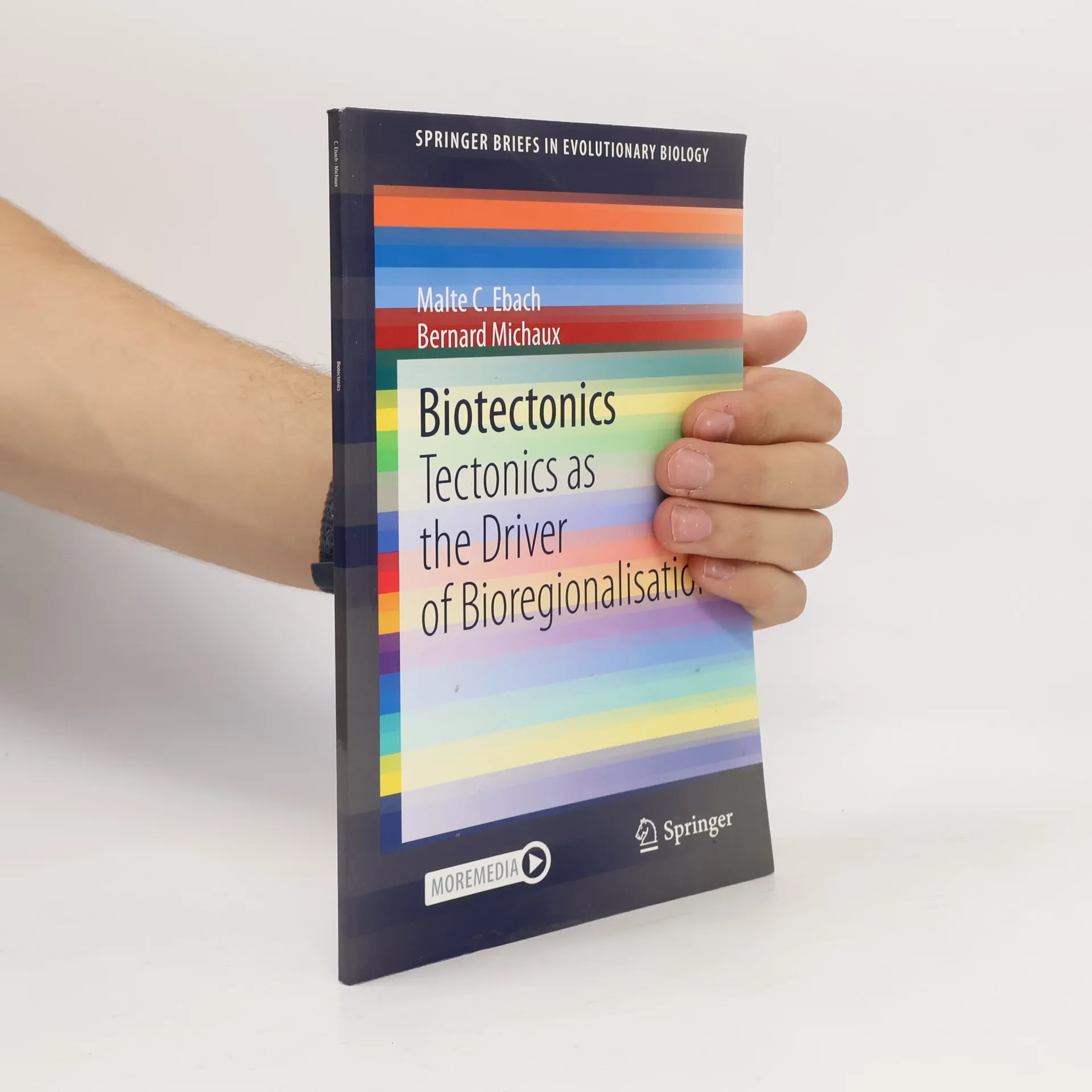
SpringerBriefs in Evolutionary Biology: Biotectonics, Malte C. Ebach, Bernard Michaux
- Jazyk

- Rok vydání
- 2020
- Vazba
- (měkká)
Doručení
Platební metody
Nikdo zatím neohodnotil.
- Titul
- SpringerBriefs in Evolutionary Biology: Biotectonics
- Podtitul
- Tectonics as the Driver of Bioregionalisation
- Jazyk
- anglicky
- Autoři
- Malte C. Ebach, Bernard Michaux
- Vydavatel
- Springer
- Rok vydání
- 2020
- Vazba
- měkká
- Počet stran
- 79
- ISBN10
- 3030517721
- ISBN13
- 9783030517724
- Série
- Anotace
- Tectonic plates are constantly moving, either crashing into one another creating a mosaic of mountains and shallow seas, or tearing apart and isolating large swathes of land. In both cases plate tectonics separates populations leading to the evolution of biota. Tectonics is also responsible for the destruction life, for instance when large coral reefs or shallow seas are compressed to form mountain peaks. Could recent research into these processes provide enough evidence to show that tectonics may be the ultimate driver of life on Earth? Our book delves into the current research in tectonics, particularly neotectonics, and its impact on rapid changes on biogeographical classification, also known as bioregionalisation. We also introduce a new term biotectonics that studies the impact of tectonics on biogeoregionalisation. The question we ask is how tectonics directly influences the distribution of biota in four case studies: the Mesozic and early Palaeogene Australides, which spans the Proto-Pacific coast of the South America, Antaractica and Australiasia; and the Neogene of Australia. To conclude we examine the role of neotectonics on tranistion zones and the Amazon Basin and make a case for biotectonic extinction.