

Více o knize
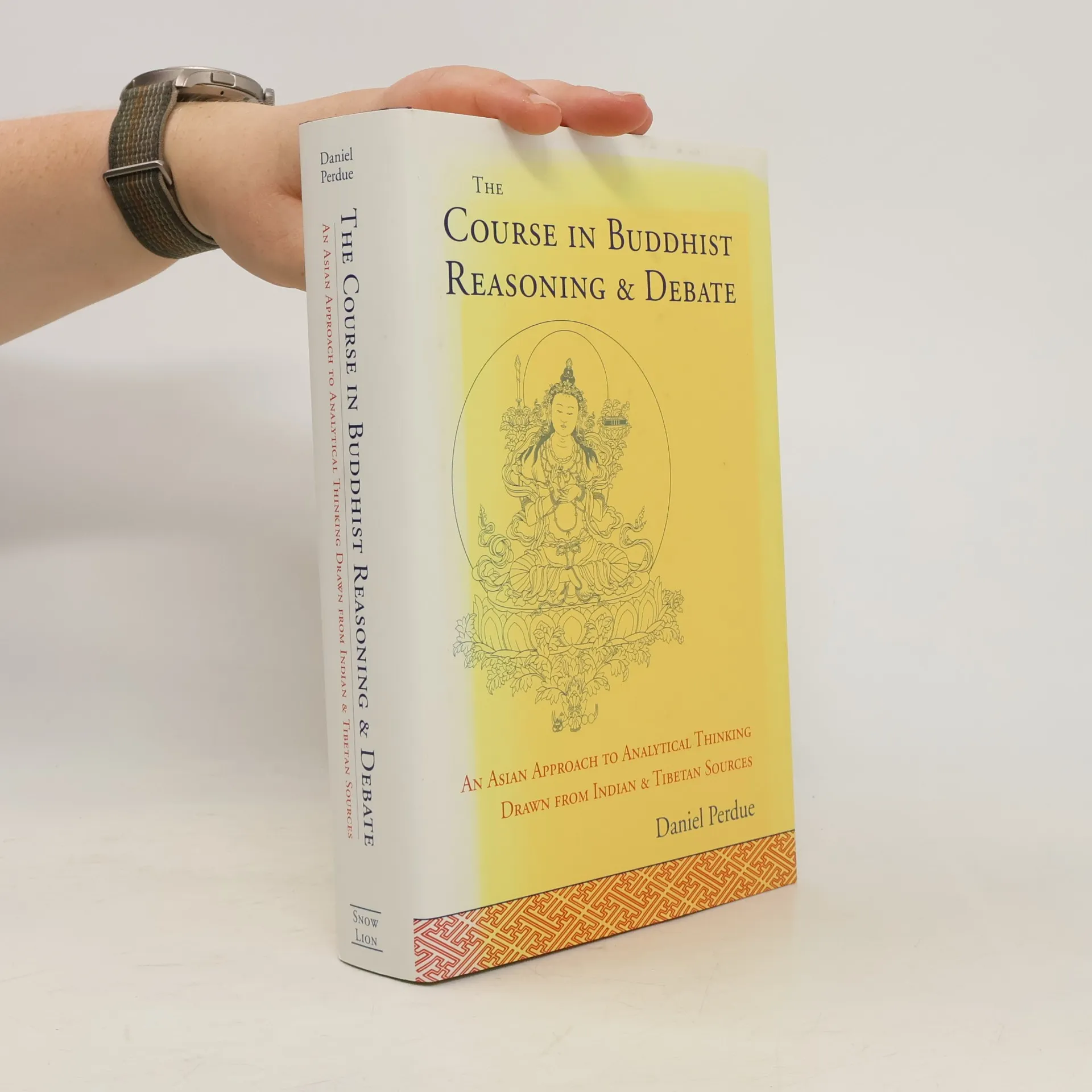
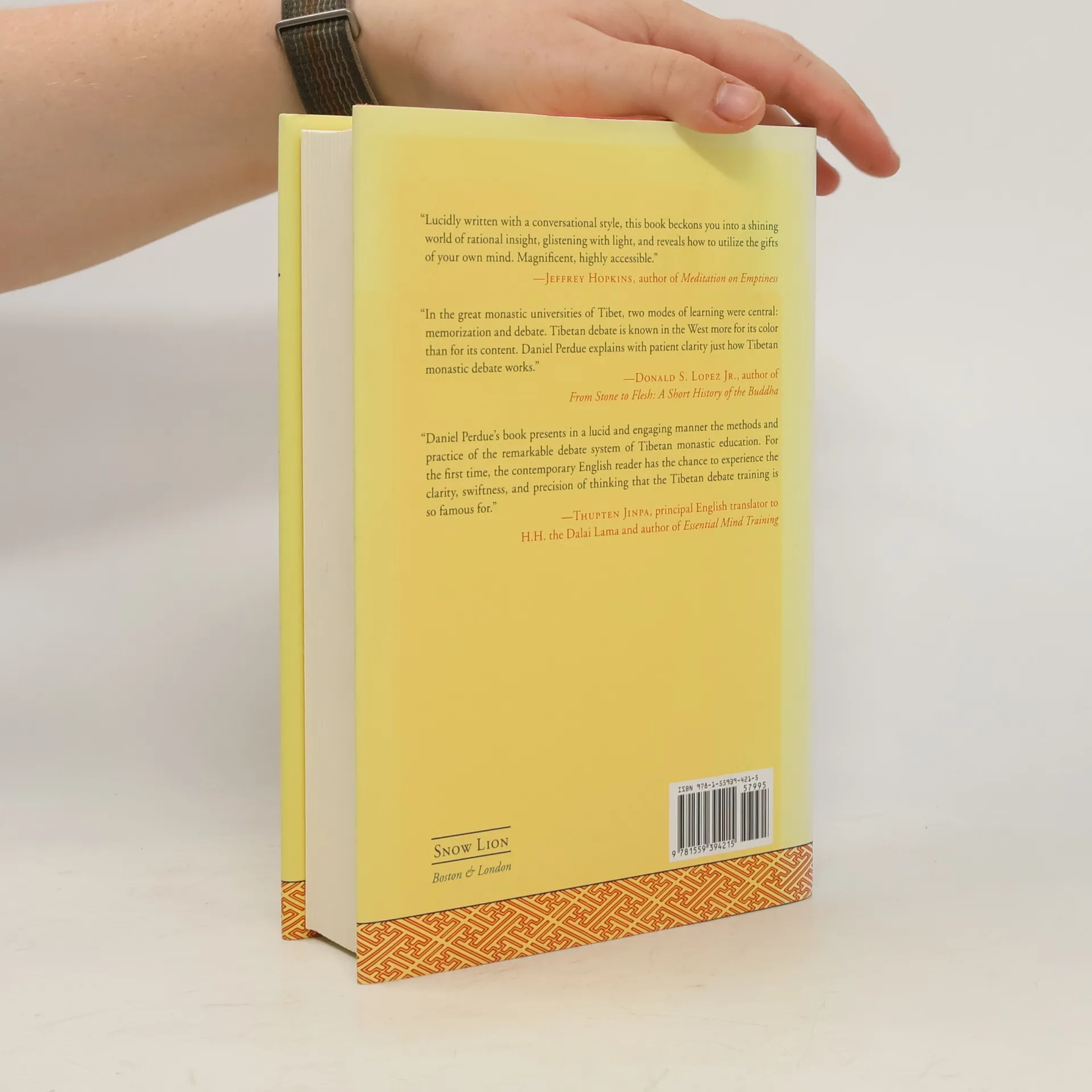
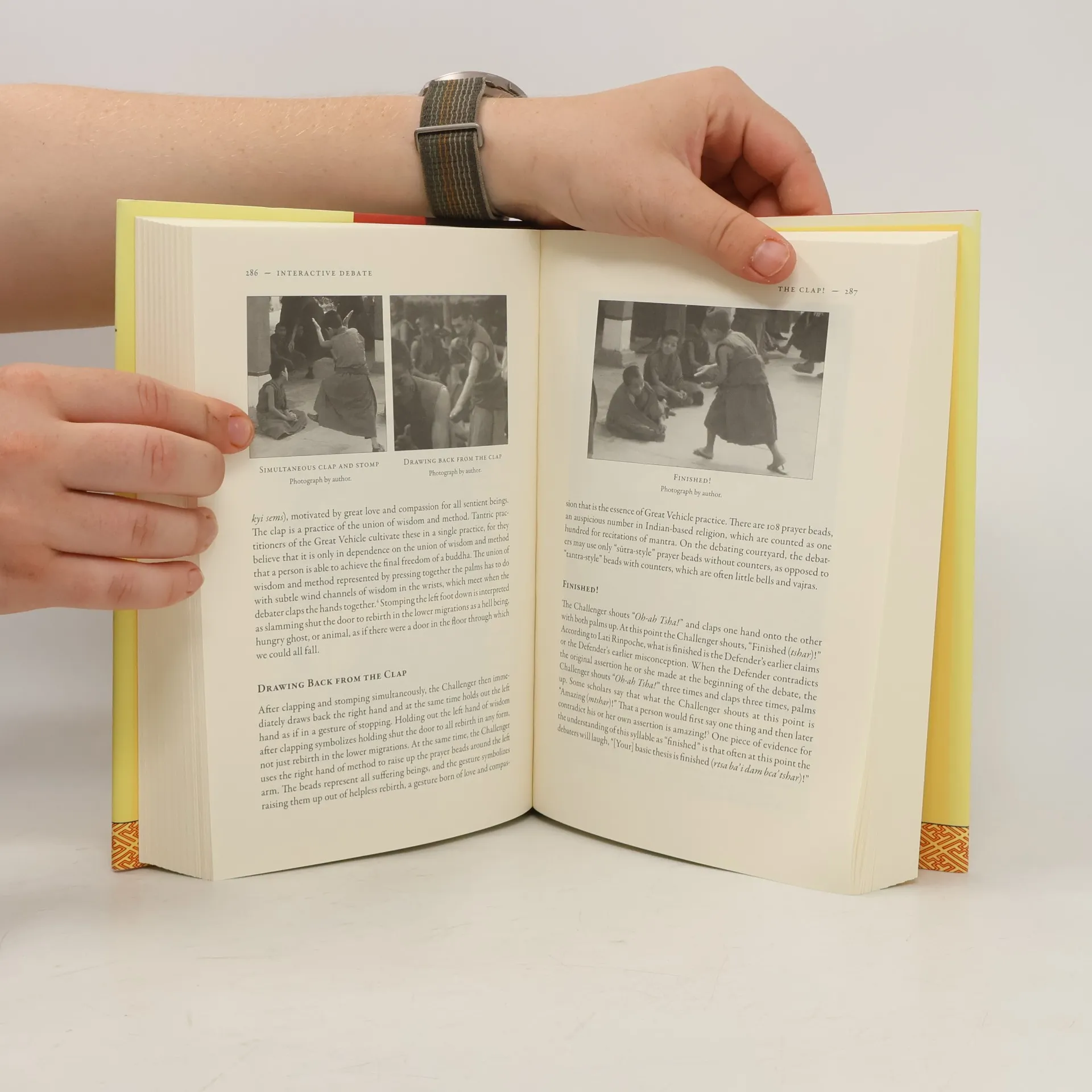
Step-by-step lessons in building the skills needed to engage in Tibetan Buddhist philosophical debate and that have proved successful in the college classroom. Debate is the investigative technique used in Tibetan education to sharpen analytical capacities and convey philosophical concepts. Reading and memorization are not enough; students must be able to verbalize their understanding and defend it under the pressure of fierce cross-examination. This book, based on the author's successful undergraduate course in the subject, trains readers to develop the analytical skills used in Tibetan-style debate. Making use of sample debate exchanges and definitions and classification systems drawn from Tibetan Buddhist debate manuals, the book shows how to challenge and defend assertions made in the course of debate.
Nákup knihy
The Course in Buddhist Reasoning and Debate, Daniel Perdue
- Jazyk

- Rok vydání
- 2014
- Vazba
- (pevná)
Doručení
Platební metody
Nikdo zatím neohodnotil.
- Titul
- The Course in Buddhist Reasoning and Debate
- Podtitul
- An Asian Approach to Analytical Thinking Drawn from Indian and Tibetan Sources
- Jazyk
- anglicky
- Autoři
- Daniel Perdue
- Vydavatel
- Snow Lion
- Rok vydání
- 2014
- Vazba
- pevná
- Počet stran
- 496
- ISBN10
- 1559394218
- ISBN13
- 9781559394215
- Série
- Štítky
- Psychologická tématika, Náboženská témata, Příručky a návody, Filosofická tématika, Spiritualita a duchovno, USA, Zdraví, Teologie, Duševní zdraví, Inspirace, Štěstí, Duchové a přízraky, Etika, Mindfulness, New Age, Duše, Logika, Zen, Vědomí, Osvícenství, Východní filozofie, Tibet, Tibetský buddhismus, Buddha, Dharma
- Anotace
- Step-by-step lessons in building the skills needed to engage in Tibetan Buddhist philosophical debate and that have proved successful in the college classroom. Debate is the investigative technique used in Tibetan education to sharpen analytical capacities and convey philosophical concepts. Reading and memorization are not enough; students must be able to verbalize their understanding and defend it under the pressure of fierce cross-examination. This book, based on the author's successful undergraduate course in the subject, trains readers to develop the analytical skills used in Tibetan-style debate. Making use of sample debate exchanges and definitions and classification systems drawn from Tibetan Buddhist debate manuals, the book shows how to challenge and defend assertions made in the course of debate.