


Více o knize
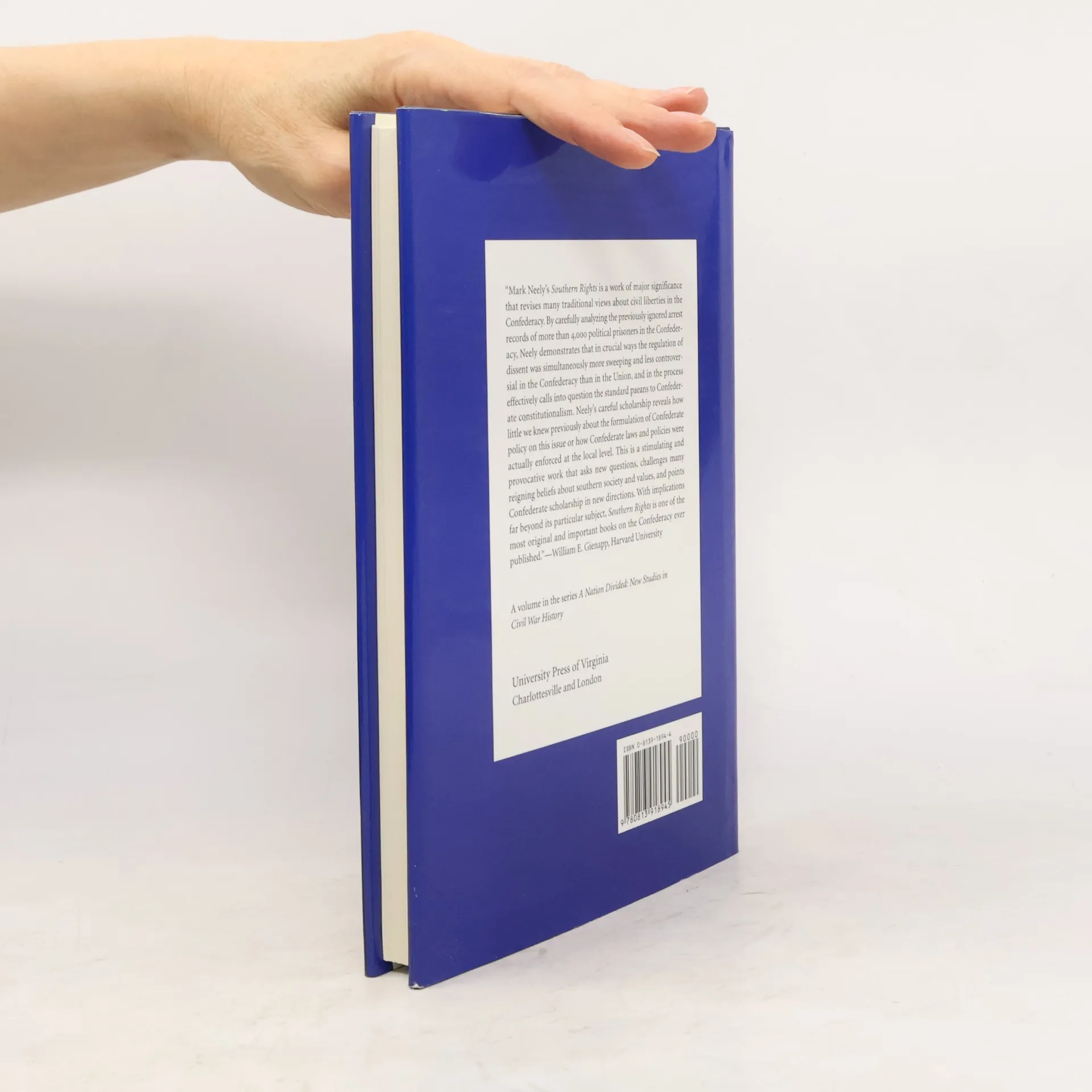
On the day Fort Sumter surrendered, General Braxton Bragg arrested a Southern loyalist correspondent over a newspaper report that could reveal gun positions, marking the first detention of a citizen by the Confederate army before President Lincoln called for troops. Throughout the Civil War, Confederate military prisons consistently held political prisoners. Mark E. Neely Jr. challenges the notion that Jefferson Davis and the Confederates upheld constitutional rights while Lincoln and Unionists violated dissenters' rights. His research, based on records of over four thousand prisoners, highlights the repression of Unionists and civilians in the Confederacy, showing that Southerners were as willing to sacrifice civil liberties as their Northern counterparts in response to wartime threats. From the war's outset, communities urged the Richmond government to impose martial law due to the behavior of drunken recruits. Citizens accepted a passport system for domestic travel, reminiscent of restrictions on enslaved individuals, which hindered commerce and religious practices. Despite complaints about the loss of constitutional liberty, most Southerners viewed the passport system as a necessary measure to prevent desertion. After the war, many records of imprisoned individuals were lost or obscured, but their rediscovery, interpreted by a Pulitzer Prize-winning historian, challenges myths of the Lost Cause, revealing Jefferson Davis a
Nákup knihy
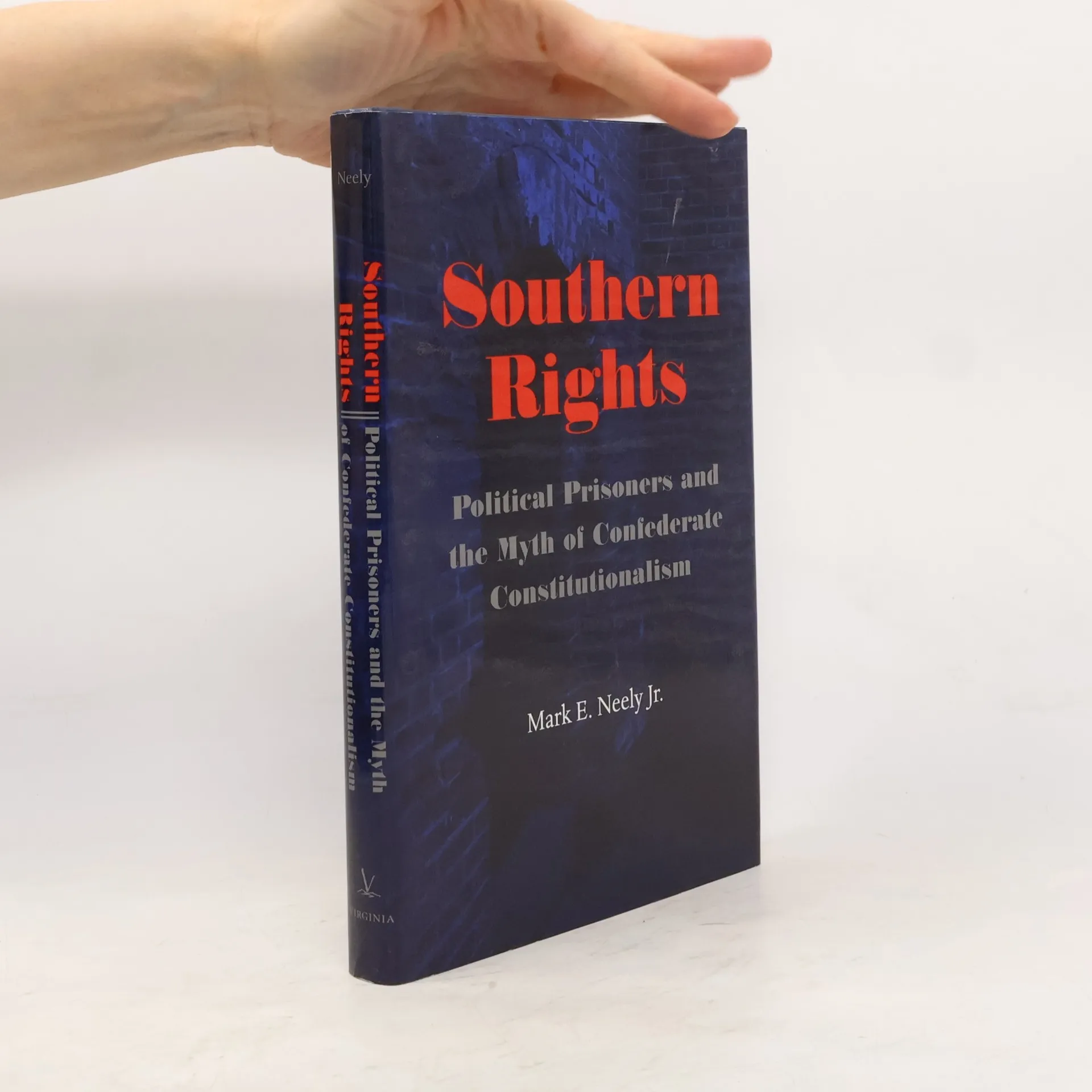
Southern Rights, Mark E. Neely Jr.
- Jazyk

- Rok vydání
- 1999
- Vazba
- (pevná),
- Stav knihy
- Velmi dobrá
- Cena
- 49 Kč
Doručení
Platební metody
Nikdo zatím neohodnotil.
- Titul
- Southern Rights
- Podtitul
- Political Prisoners and the Myth of Confederate Constitutionalism
- Jazyk
- anglicky
- Autoři
- Mark E. Neely Jr.
- Vydavatel
- University of Virginia Press
- Rok vydání
- 1999
- Vazba
- pevná
- Počet stran
- 212
- ISBN10
- 0813918944
- ISBN13
- 9780813918945
- Série
- Anotace
- On the day Fort Sumter surrendered, General Braxton Bragg arrested a Southern loyalist correspondent over a newspaper report that could reveal gun positions, marking the first detention of a citizen by the Confederate army before President Lincoln called for troops. Throughout the Civil War, Confederate military prisons consistently held political prisoners. Mark E. Neely Jr. challenges the notion that Jefferson Davis and the Confederates upheld constitutional rights while Lincoln and Unionists violated dissenters' rights. His research, based on records of over four thousand prisoners, highlights the repression of Unionists and civilians in the Confederacy, showing that Southerners were as willing to sacrifice civil liberties as their Northern counterparts in response to wartime threats. From the war's outset, communities urged the Richmond government to impose martial law due to the behavior of drunken recruits. Citizens accepted a passport system for domestic travel, reminiscent of restrictions on enslaved individuals, which hindered commerce and religious practices. Despite complaints about the loss of constitutional liberty, most Southerners viewed the passport system as a necessary measure to prevent desertion. After the war, many records of imprisoned individuals were lost or obscured, but their rediscovery, interpreted by a Pulitzer Prize-winning historian, challenges myths of the Lost Cause, revealing Jefferson Davis a