

Více o knize
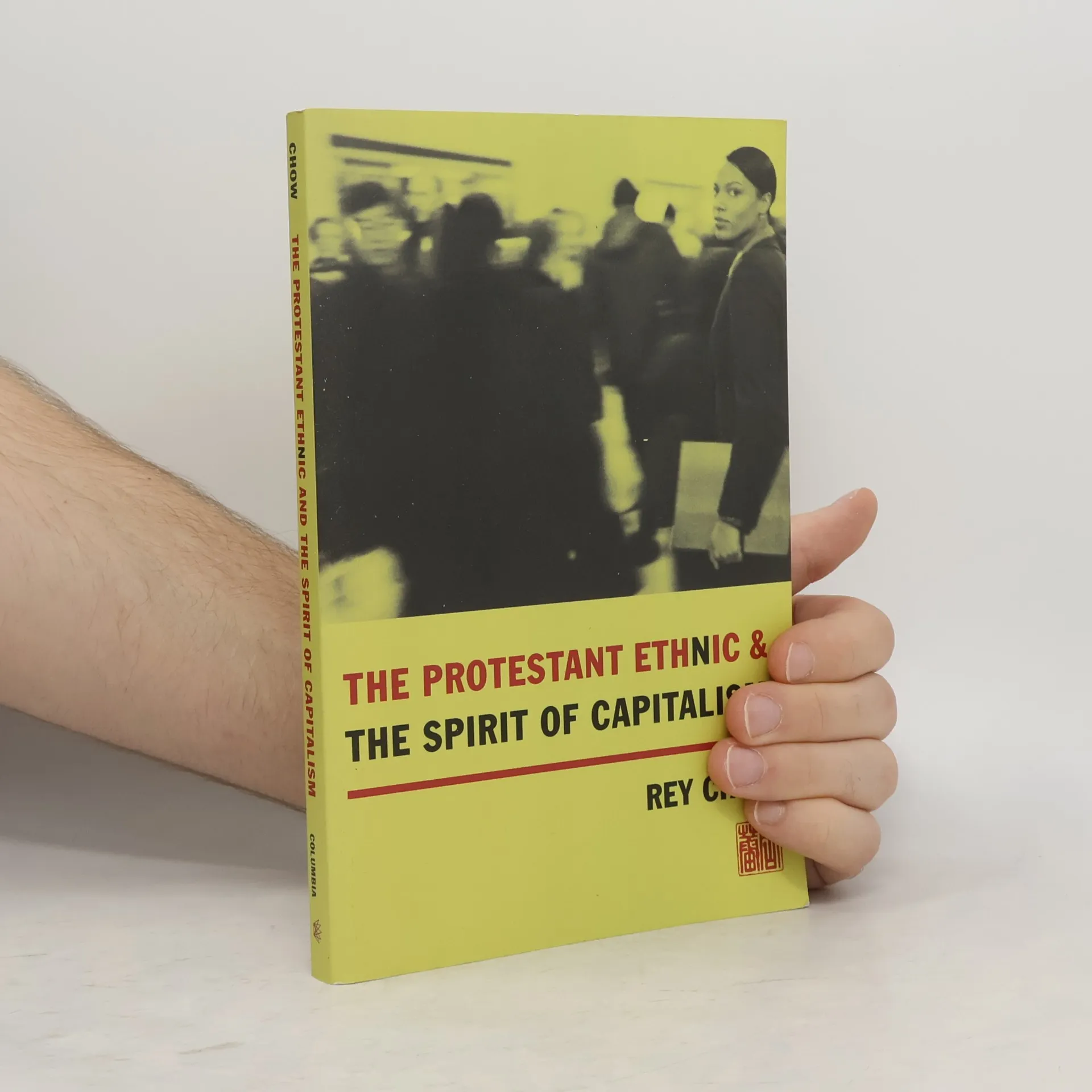
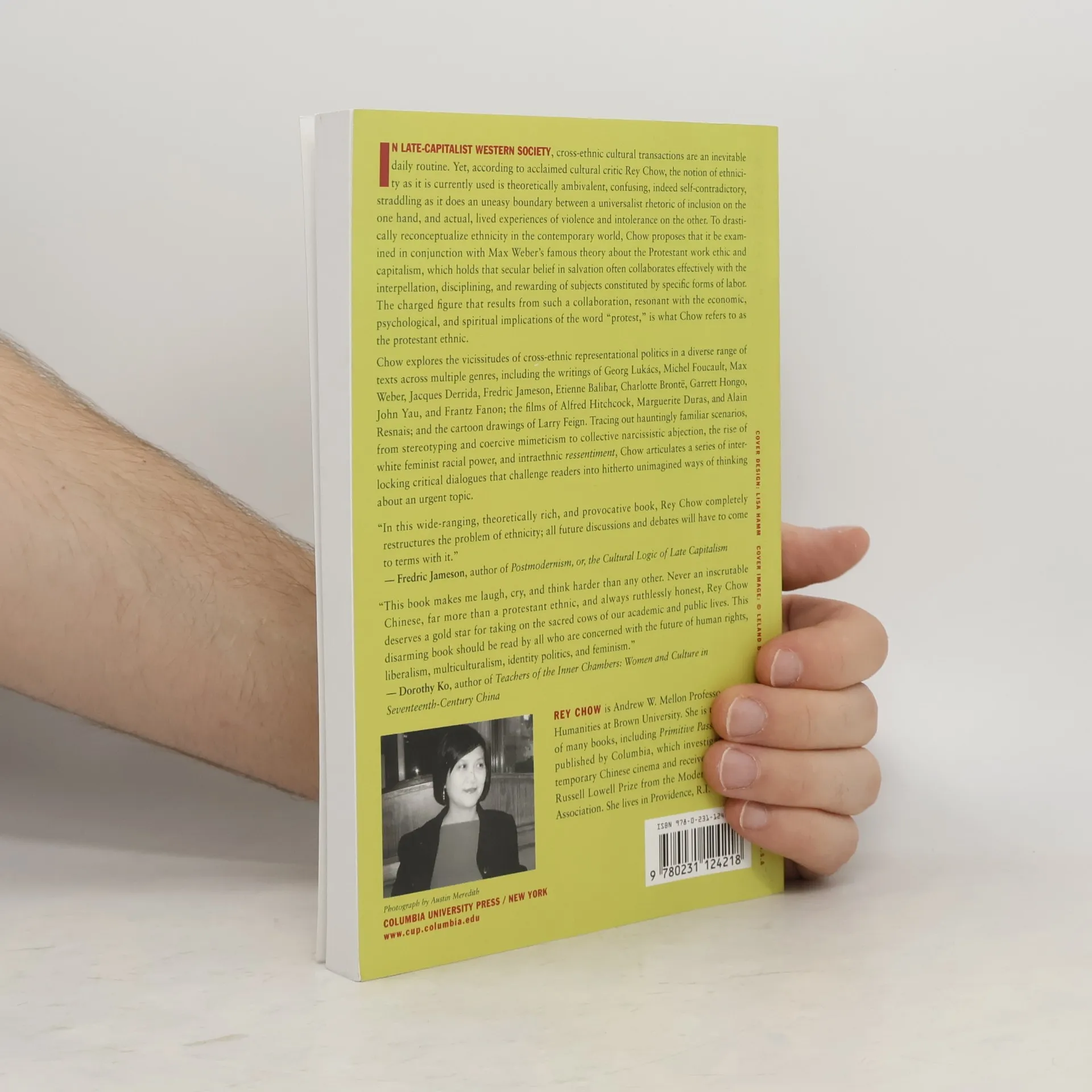
In late-capitalist Western society, cross-ethnic cultural transactions are a daily reality. Acclaimed cultural critic Rey Chow argues that the current understanding of ethnicity is theoretically ambivalent and self-contradictory, caught between a universalist rhetoric of inclusion and the lived experiences of violence and intolerance. To reconceptualize ethnicity, Chow suggests examining it alongside Max Weber's theory of the Protestant work ethic and capitalism, which posits that secular beliefs in salvation often align with the disciplining of subjects through specific forms of labor. This collaboration produces what she terms the "protestant ethnic," a figure rich with economic, psychological, and spiritual implications. Chow investigates cross-ethnic representational politics through a diverse array of texts, including works by Georg Lukacs, Michel Foucault, and Frantz Fanon, as well as films by Alfred Hitchcock and Marguerite Duras, and the cartoons of Larry Feign. She traces familiar scenarios of stereotyping, coercive mimeticism, and collective narcissism, addressing issues such as the rise of white feminist racial power and intraethnic ressentiment. Through interlocking critical dialogues, Chow challenges readers to rethink an urgent topic in innovative ways.
Nákup knihy
The Protestant Ethnic and the Spirit of Capitalism, Rey Chow
- Jazyk

- Rok vydání
- 2002
- Vazba
- (měkká),
- Stav knihy
- Velmi dobrá
- Cena
- 179 Kč
Nikdo zatím neohodnotil.
- Titul
- The Protestant Ethnic and the Spirit of Capitalism
- Jazyk
- anglicky
- Autoři
- Rey Chow
- Vydavatel
- Columbia University Press
- Rok vydání
- 2002
- Vazba
- měkká
- Počet stran
- 237
- ISBN10
- 023112421X
- ISBN13
- 9780231124218
- Série
- Kategorie
- Štítky
- Byznys, Rasa, rasismus
- Anotace
- In late-capitalist Western society, cross-ethnic cultural transactions are a daily reality. Acclaimed cultural critic Rey Chow argues that the current understanding of ethnicity is theoretically ambivalent and self-contradictory, caught between a universalist rhetoric of inclusion and the lived experiences of violence and intolerance. To reconceptualize ethnicity, Chow suggests examining it alongside Max Weber's theory of the Protestant work ethic and capitalism, which posits that secular beliefs in salvation often align with the disciplining of subjects through specific forms of labor. This collaboration produces what she terms the "protestant ethnic," a figure rich with economic, psychological, and spiritual implications. Chow investigates cross-ethnic representational politics through a diverse array of texts, including works by Georg Lukacs, Michel Foucault, and Frantz Fanon, as well as films by Alfred Hitchcock and Marguerite Duras, and the cartoons of Larry Feign. She traces familiar scenarios of stereotyping, coercive mimeticism, and collective narcissism, addressing issues such as the rise of white feminist racial power and intraethnic ressentiment. Through interlocking critical dialogues, Chow challenges readers to rethink an urgent topic in innovative ways.