

Více o knize
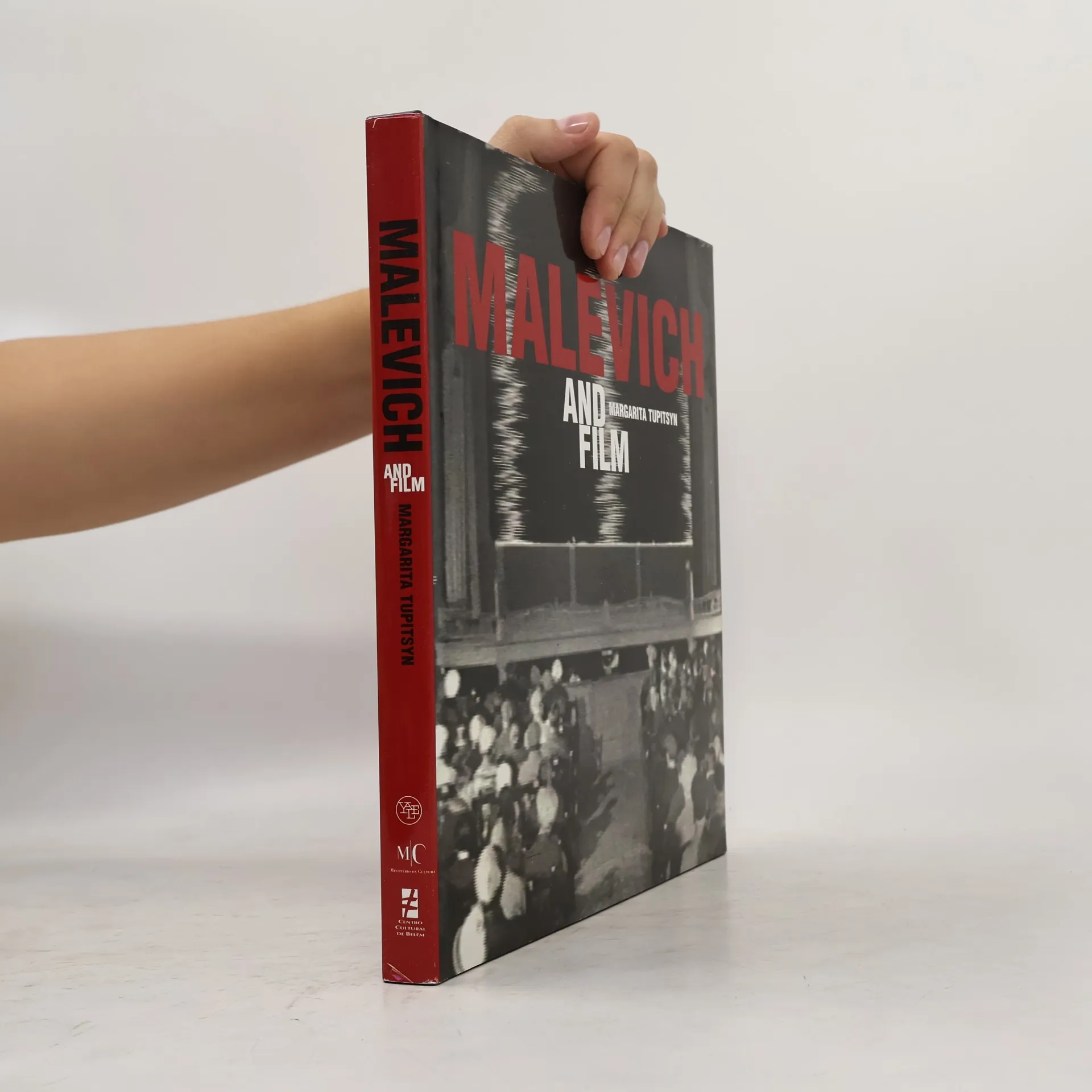
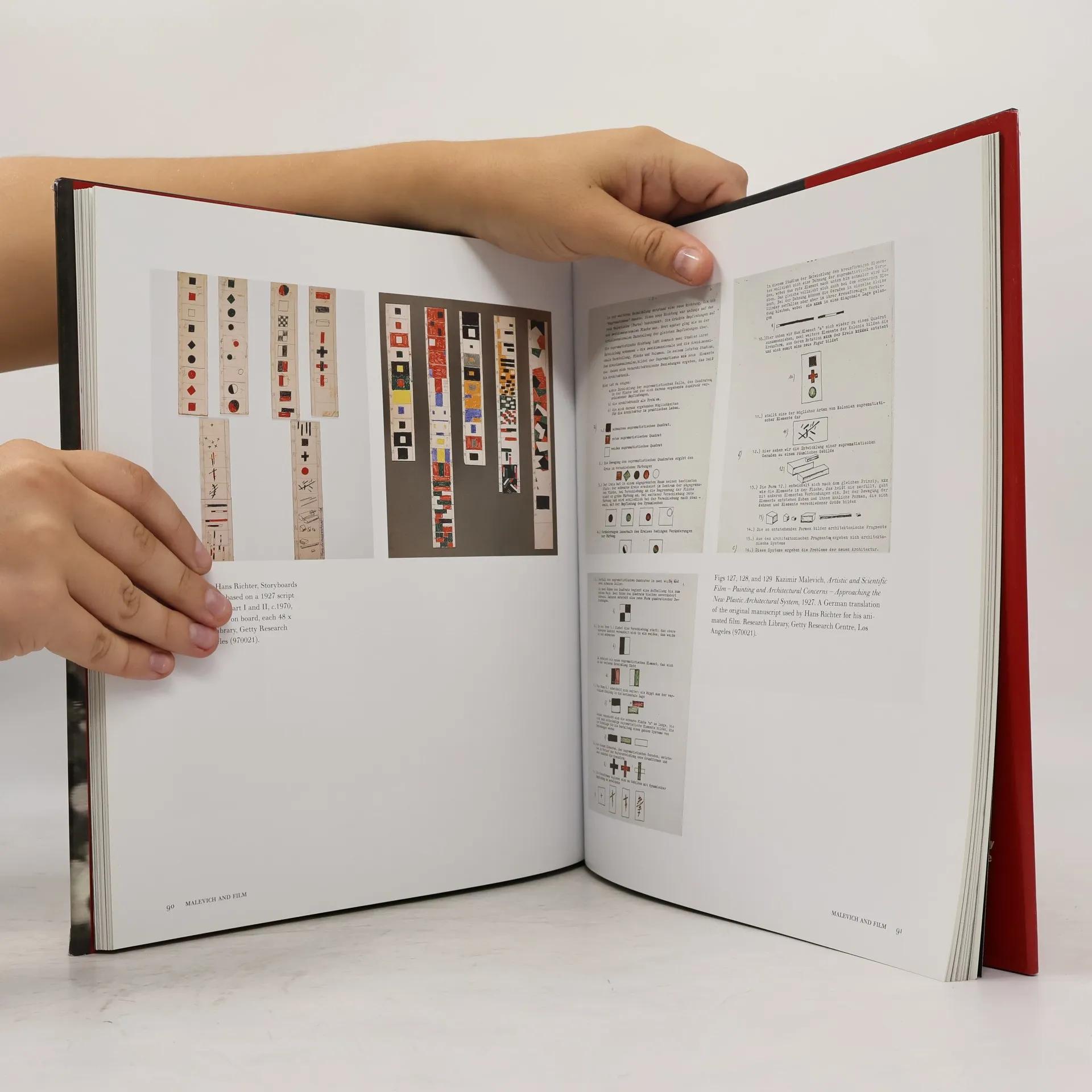
Kazimir Malevich (1878-1935), a significant yet often overlooked figure in Soviet avant-garde discussions, is examined in depth regarding his contributions to photography and film. Margarita Tupitsyn's analysis places Malevich firmly within the Soviet post-abstract discourse and reshapes the understanding of his post-Suprematist period. By exploring Malevich's engagement with film for the first time, Tupitsyn utilizes lesser-known writings by the artist, newly accessible works, and previously unpublished photographs and documents. This research reveals that Malevich's influence on twentieth-century art is broader than previously acknowledged. The book begins with a re-evaluation of Black Square, a painting whose meaning evolved over time, marking Malevich's transition from painting to mechanically generated production. This shift influenced the post-revolutionary phase of his Suprematism and led to his departure from abstraction in the late 1920s. Tupitsyn delves into Malevich's writings on cinema, the cinematic qualities of his works, and the connections with contemporary artists. The impact of his thought and work on Russian, European, and American artists in the 1920s, 1930s, and post-war period is also highlighted. This book serves as the catalogue for an exhibition opening in Lisbon in May 2002, which will later travel to Spain.
Nákup knihy
Malevich and Film, Margarita Tupitsyn, Kazimir Severinovich Malevich, Viktor Tupitsyn
- Jazyk

- Rok vydání
- 2002
- Vazba
- (pevná)
Nikdo zatím neohodnotil.
- Titul
- Malevich and Film
- Jazyk
- anglicky
- Vydavatel
- Yale University Press
- Rok vydání
- 2002
- Vazba
- pevná
- Počet stran
- 173
- ISBN10
- 0300094590
- ISBN13
- 9780300094596
- Série
- Štítky
- Historické téma, Umění, 20. století, Filmová tématika, Rusko, Historie umění, Sovětský svaz, Performativní umění, Katalogy
- Anotace
- Kazimir Malevich (1878-1935), a significant yet often overlooked figure in Soviet avant-garde discussions, is examined in depth regarding his contributions to photography and film. Margarita Tupitsyn's analysis places Malevich firmly within the Soviet post-abstract discourse and reshapes the understanding of his post-Suprematist period. By exploring Malevich's engagement with film for the first time, Tupitsyn utilizes lesser-known writings by the artist, newly accessible works, and previously unpublished photographs and documents. This research reveals that Malevich's influence on twentieth-century art is broader than previously acknowledged. The book begins with a re-evaluation of Black Square, a painting whose meaning evolved over time, marking Malevich's transition from painting to mechanically generated production. This shift influenced the post-revolutionary phase of his Suprematism and led to his departure from abstraction in the late 1920s. Tupitsyn delves into Malevich's writings on cinema, the cinematic qualities of his works, and the connections with contemporary artists. The impact of his thought and work on Russian, European, and American artists in the 1920s, 1930s, and post-war period is also highlighted. This book serves as the catalogue for an exhibition opening in Lisbon in May 2002, which will later travel to Spain.