

Více o knize
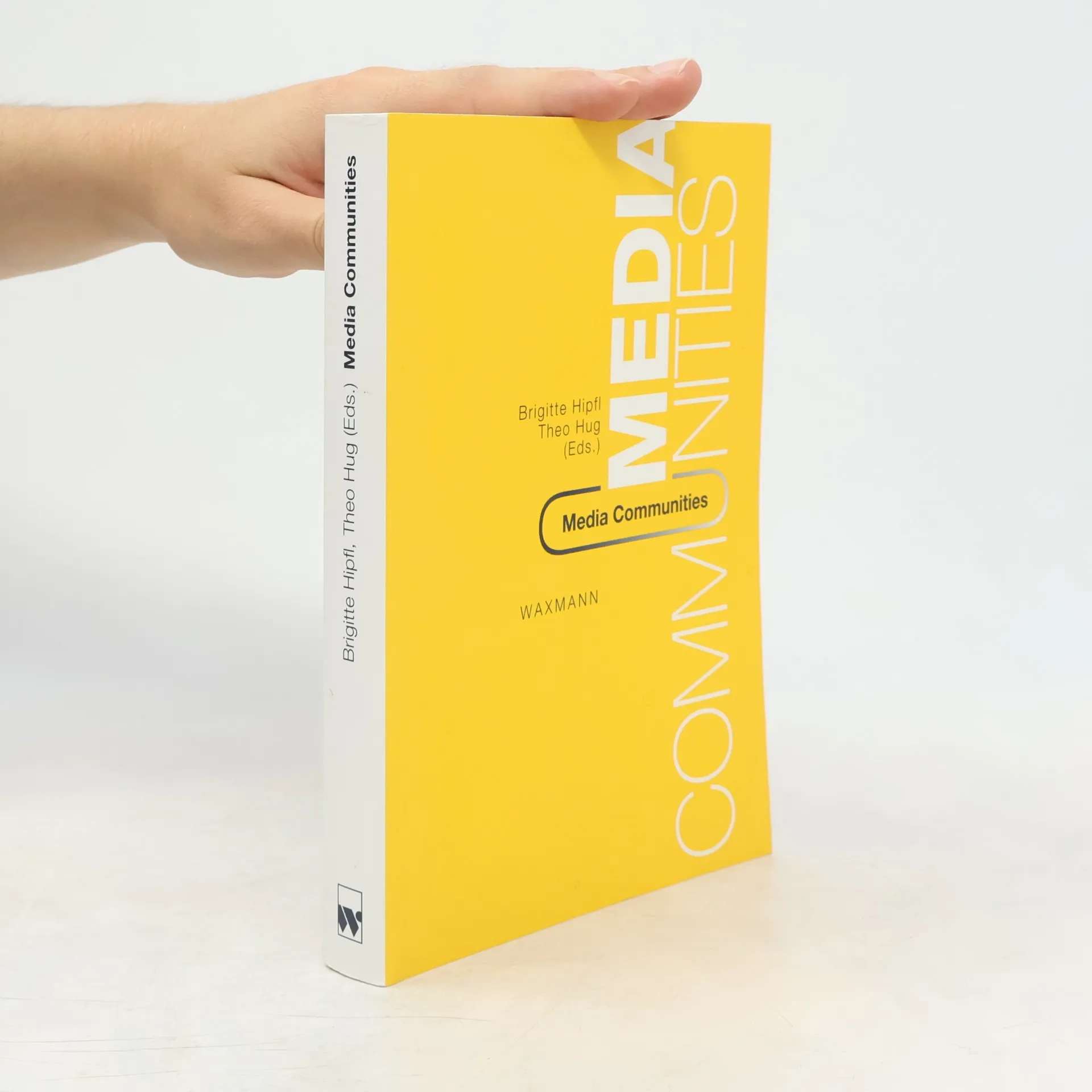
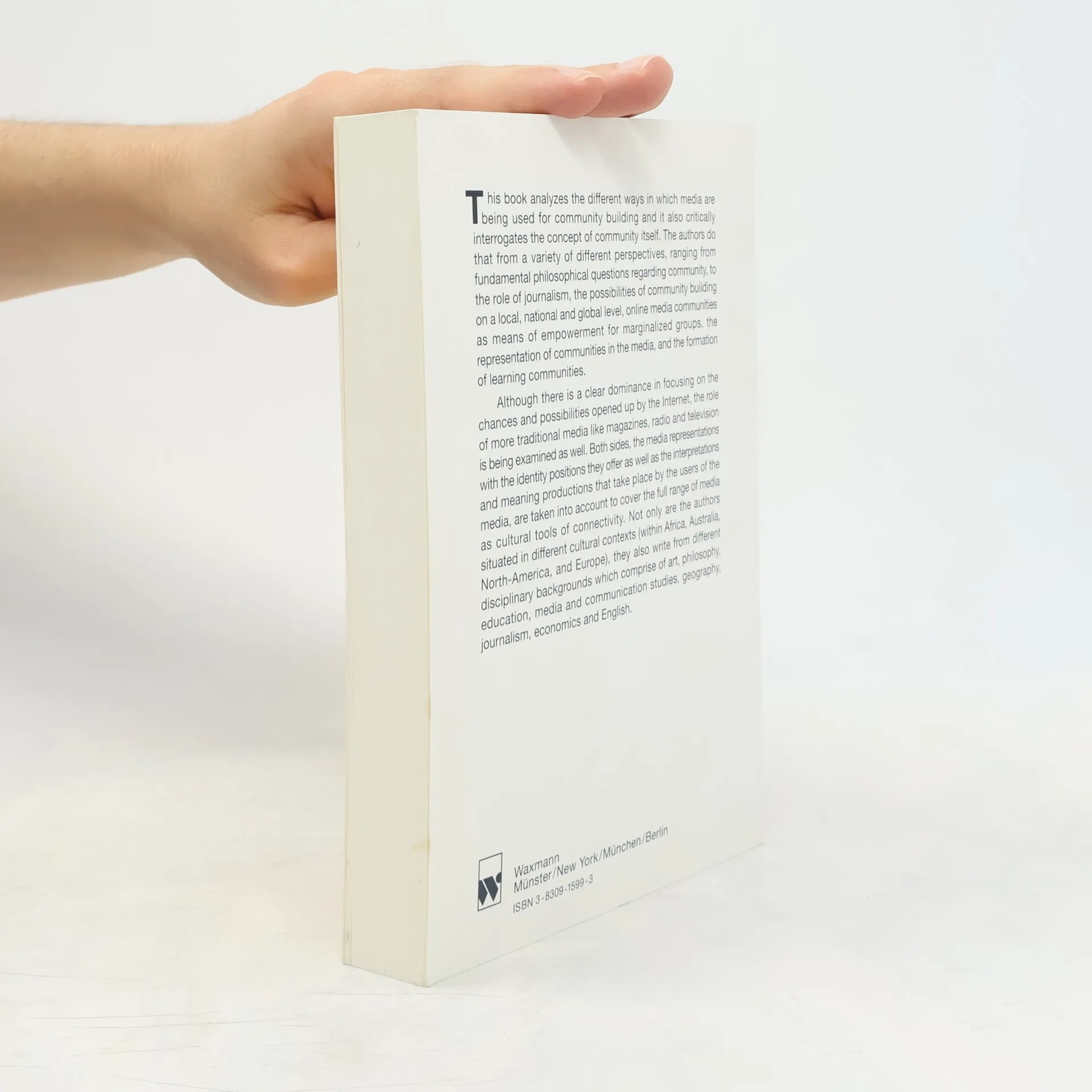
This book explores the various ways media contribute to community building while critically examining the very concept of community. The authors approach this topic from diverse perspectives, addressing fundamental philosophical questions, the role of journalism, and the potential for community building at local, national, and global levels. It highlights online media communities as tools for empowering marginalized groups and discusses how communities are represented in the media, as well as the formation of learning communities. While there is a strong emphasis on the opportunities presented by the Internet, traditional media such as magazines, radio, and television are also analyzed. The work considers both media representations and the interpretations made by users, showcasing media as cultural tools for connectivity. The authors come from various cultural contexts, including Africa, Australia, North America, and Europe, and represent a range of disciplines, including art, philosophy, education, media and communication studies, geography, journalism, economics, and English. The book was inspired by a Conference on media communities organized by the editors in April 2004 in Innsbruck, Austria, where several presentations were later developed into written contributions.
Nákup knihy
Media Communities, Brigitte Hipfl, Theo Hug
- Jazyk

- Rok vydání
- 2006
- Vazba
- (měkká)
Nikdo zatím neohodnotil.
- Titul
- Media Communities
- Jazyk
- anglicky
- Autoři
- Brigitte Hipfl, Theo Hug
- Vydavatel
- Waxmann Verlag Gmbh
- Rok vydání
- 2006
- Vazba
- měkká
- Počet stran
- 342
- ISBN10
- 3830915993
- ISBN13
- 9783830915997
- Série
- Kategorie
- Štítky
- Vysokoškolské učebnice
- Anotace
- This book explores the various ways media contribute to community building while critically examining the very concept of community. The authors approach this topic from diverse perspectives, addressing fundamental philosophical questions, the role of journalism, and the potential for community building at local, national, and global levels. It highlights online media communities as tools for empowering marginalized groups and discusses how communities are represented in the media, as well as the formation of learning communities. While there is a strong emphasis on the opportunities presented by the Internet, traditional media such as magazines, radio, and television are also analyzed. The work considers both media representations and the interpretations made by users, showcasing media as cultural tools for connectivity. The authors come from various cultural contexts, including Africa, Australia, North America, and Europe, and represent a range of disciplines, including art, philosophy, education, media and communication studies, geography, journalism, economics, and English. The book was inspired by a Conference on media communities organized by the editors in April 2004 in Innsbruck, Austria, where several presentations were later developed into written contributions.