

Parametry
- 349 stránek
- 13 hodin čtení
Více o knize
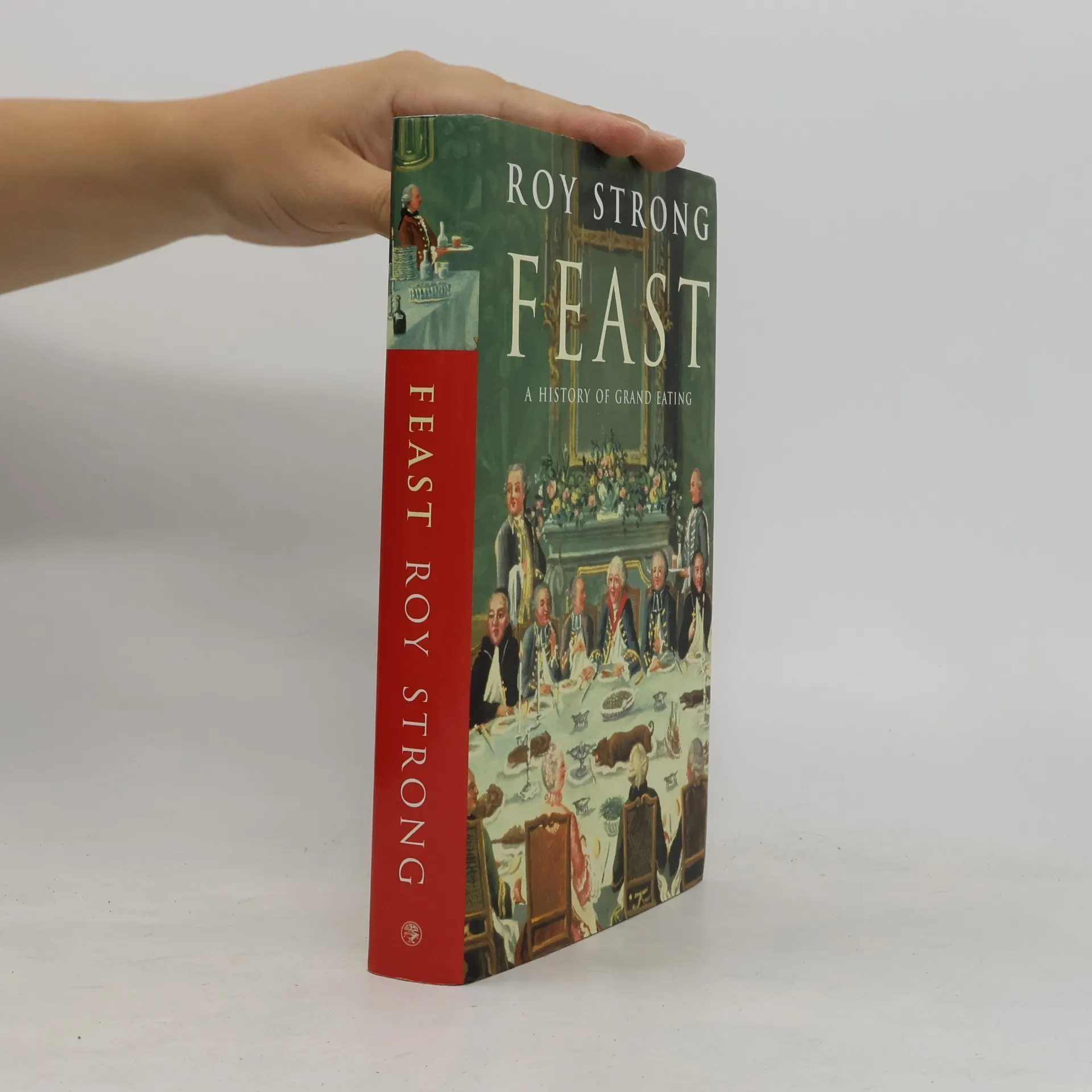
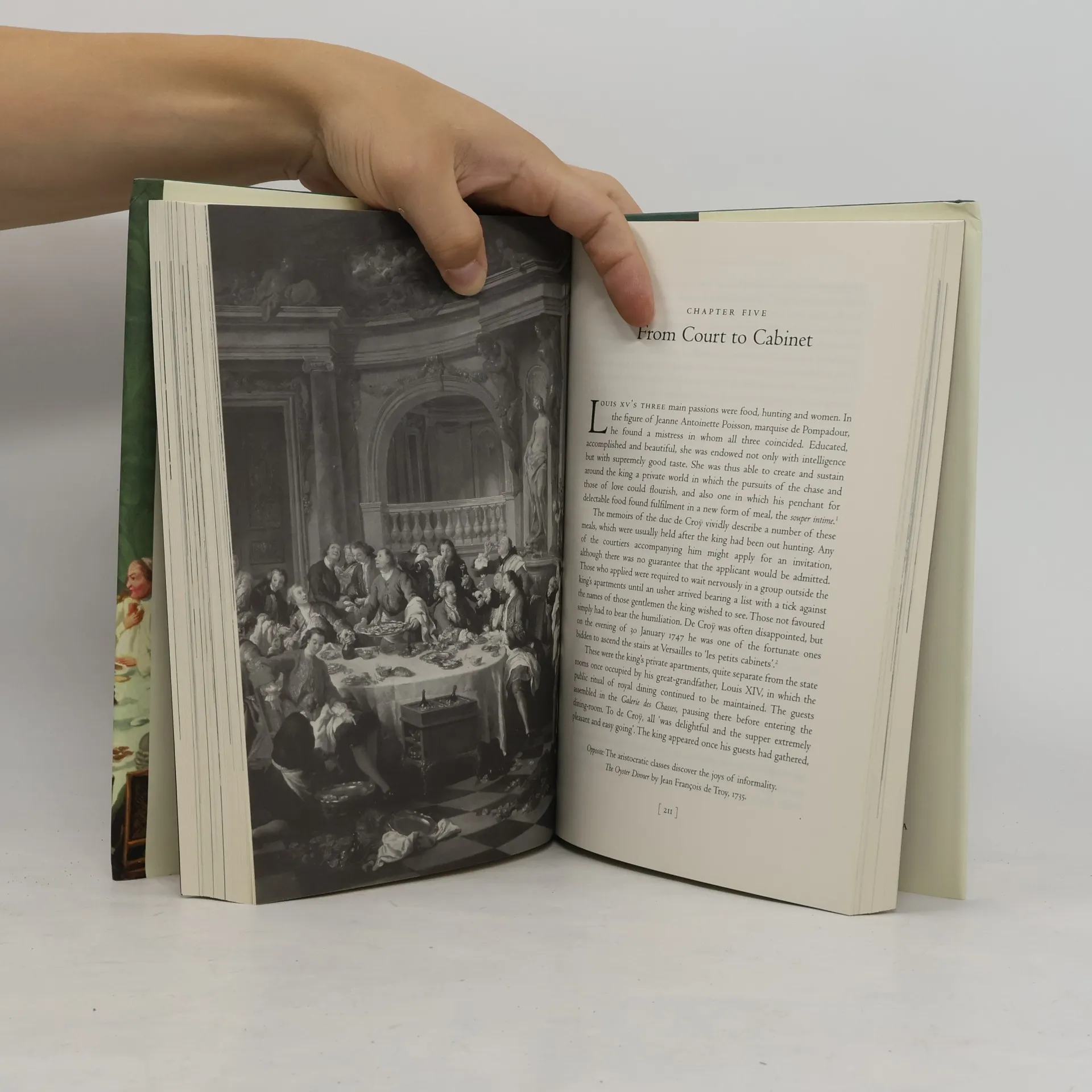
What occurs when we gather to dine? More than just eating, as Roy Strong illustrates in his remarkable exploration of grand dining throughout history. He reveals that meals have consistently served as a vehicle for determining status, hierarchy, and aspiration across various societies. Strong takes readers on a journey through the banquets of ancient Rome, showcasing how they evolved from civilized entertainment to extravagant displays of excess. He examines the transformation of dining during the Christian and Renaissance eras, where meals shifted from symbolic rituals to opulent court ceremonies. The narrative continues into the 19th and early 20th centuries, highlighting the dinner party as a defining status event in a newly hierarchical world, contrasting with the egalitarian ideals of the French Revolution. In our current era, traditional dining forms have eroded, leaving us with casual snacking and restaurants as the new markers of social rank. Strong adeptly explores the evolution of manners, the invention of the dining room, sugar's role as a sculptural medium, and the history of cookbooks as reflections of class. For anyone curious about the significance of dining implements and the cultural implications of meals, this work is a perfect read.
Nákup knihy
Feast, Roy C. Strong
- Jazyk

- Rok vydání
- 2002
- Vazba
- (pevná)
Nikdo zatím neohodnotil.
- Titul
- Feast
- Podtitul
- A History of Grand Eating
- Jazyk
- anglicky
- Autoři
- Roy C. Strong
- Vydavatel
- Jonathan Cape
- Rok vydání
- 2002
- Vazba
- pevná
- Počet stran
- 349
- ISBN10
- 0224061380
- ISBN13
- 9780224061384
- Série
- Anotace
- What occurs when we gather to dine? More than just eating, as Roy Strong illustrates in his remarkable exploration of grand dining throughout history. He reveals that meals have consistently served as a vehicle for determining status, hierarchy, and aspiration across various societies. Strong takes readers on a journey through the banquets of ancient Rome, showcasing how they evolved from civilized entertainment to extravagant displays of excess. He examines the transformation of dining during the Christian and Renaissance eras, where meals shifted from symbolic rituals to opulent court ceremonies. The narrative continues into the 19th and early 20th centuries, highlighting the dinner party as a defining status event in a newly hierarchical world, contrasting with the egalitarian ideals of the French Revolution. In our current era, traditional dining forms have eroded, leaving us with casual snacking and restaurants as the new markers of social rank. Strong adeptly explores the evolution of manners, the invention of the dining room, sugar's role as a sculptural medium, and the history of cookbooks as reflections of class. For anyone curious about the significance of dining implements and the cultural implications of meals, this work is a perfect read.