

Parametry
- 362 stránek
- 13 hodin čtení
Více o knize
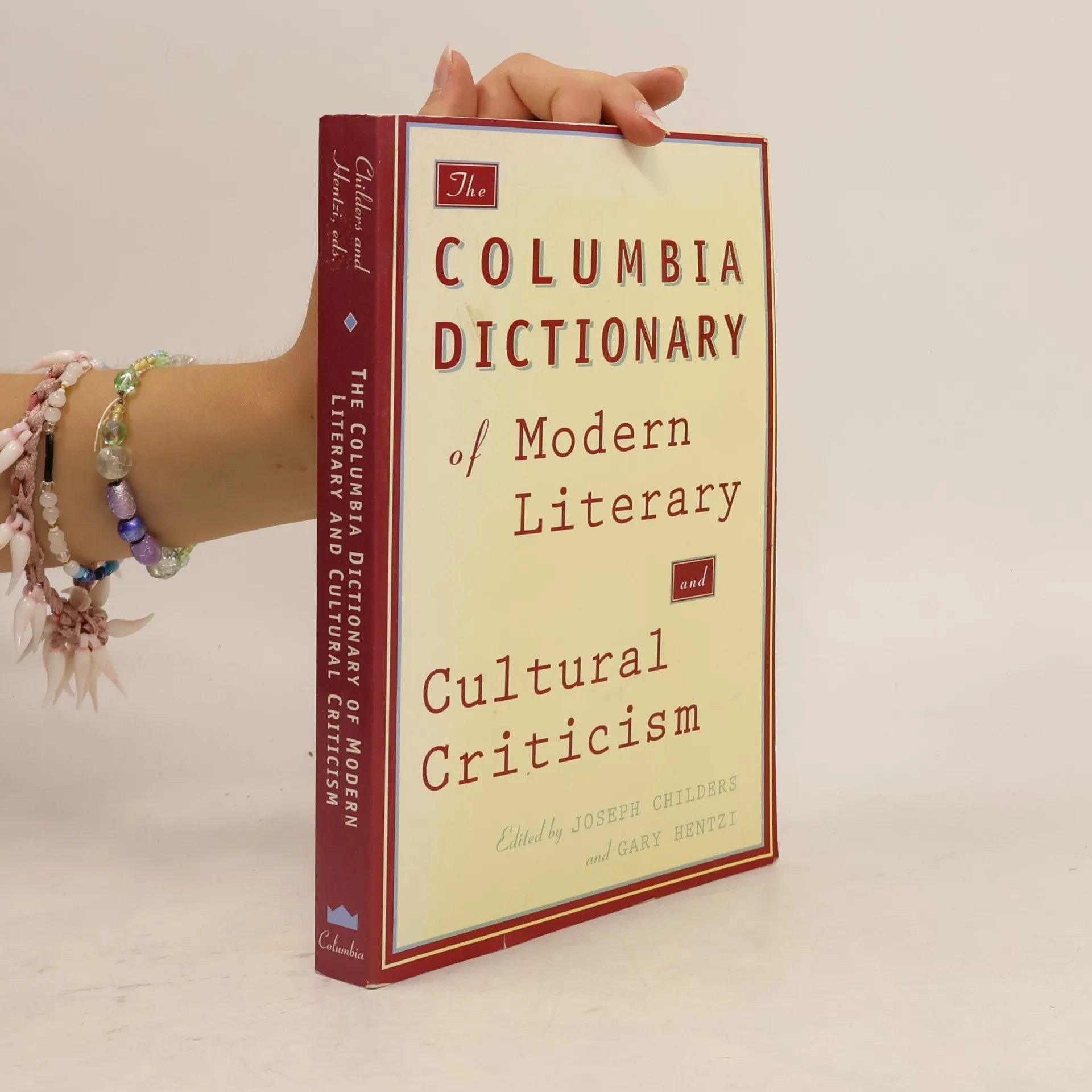
What does Jacques Derrida mean by "Difference?" Who coined the important term "Ideology" that we use so widely today? How can "Object Relations" theory be used in the study of literature? Can someone explain what "Deconstruction" really means? For the uninitiated, reading literary and cultural criticism can be a daunting task, simply because of its admittedly complex, arcane language that tends to elude the understanding of all but specialists. With literary and cultural studies arguably the fastest growing areas of study in the humanities, many readers both within and outside the academy find it imperative to keep abreast of developments in these fields. "The Columbia Dictionary of Modern Literary and Cultural Criticism" helps to initiate the curious generalist into the often exclusionary world of these theoretical vocabularies, and to authoritatively refresh the memories of specialists themselves on certain necessary terms and their roots.
Nákup knihy
The Columbia Dictionary of Modern Literary and Cultural Criticism, Joseph Childers, Gary Hentzi
- Jazyk

- Rok vydání
- 1995
- Vazba
- (měkká)
Doručení
Platební metody
Nikdo zatím neohodnotil.
- Titul
- The Columbia Dictionary of Modern Literary and Cultural Criticism
- Jazyk
- anglicky
- Autoři
- Joseph Childers, Gary Hentzi
- Vydavatel
- Columbia University Press
- Rok vydání
- 1995
- Vazba
- měkká
- Počet stran
- 362
- ISBN10
- 0231072430
- ISBN13
- 9780231072434
- Série
- Kategorie
- Štítky
- Jazykové učebnice & Slovníky, Příručky a návody, Filosofická tématika, USA, Kultura a společnost, Slovníky, Literární kritika, Vědecké teorie, Výzkum, Kritika, Humanitní vědy, Literární teorie, Sémiotika
- Anotace
- What does Jacques Derrida mean by "Difference?" Who coined the important term "Ideology" that we use so widely today? How can "Object Relations" theory be used in the study of literature? Can someone explain what "Deconstruction" really means? For the uninitiated, reading literary and cultural criticism can be a daunting task, simply because of its admittedly complex, arcane language that tends to elude the understanding of all but specialists. With literary and cultural studies arguably the fastest growing areas of study in the humanities, many readers both within and outside the academy find it imperative to keep abreast of developments in these fields. "The Columbia Dictionary of Modern Literary and Cultural Criticism" helps to initiate the curious generalist into the often exclusionary world of these theoretical vocabularies, and to authoritatively refresh the memories of specialists themselves on certain necessary terms and their roots.