

Parametry
- 289 stránek
- 11 hodin čtení
Více o knize
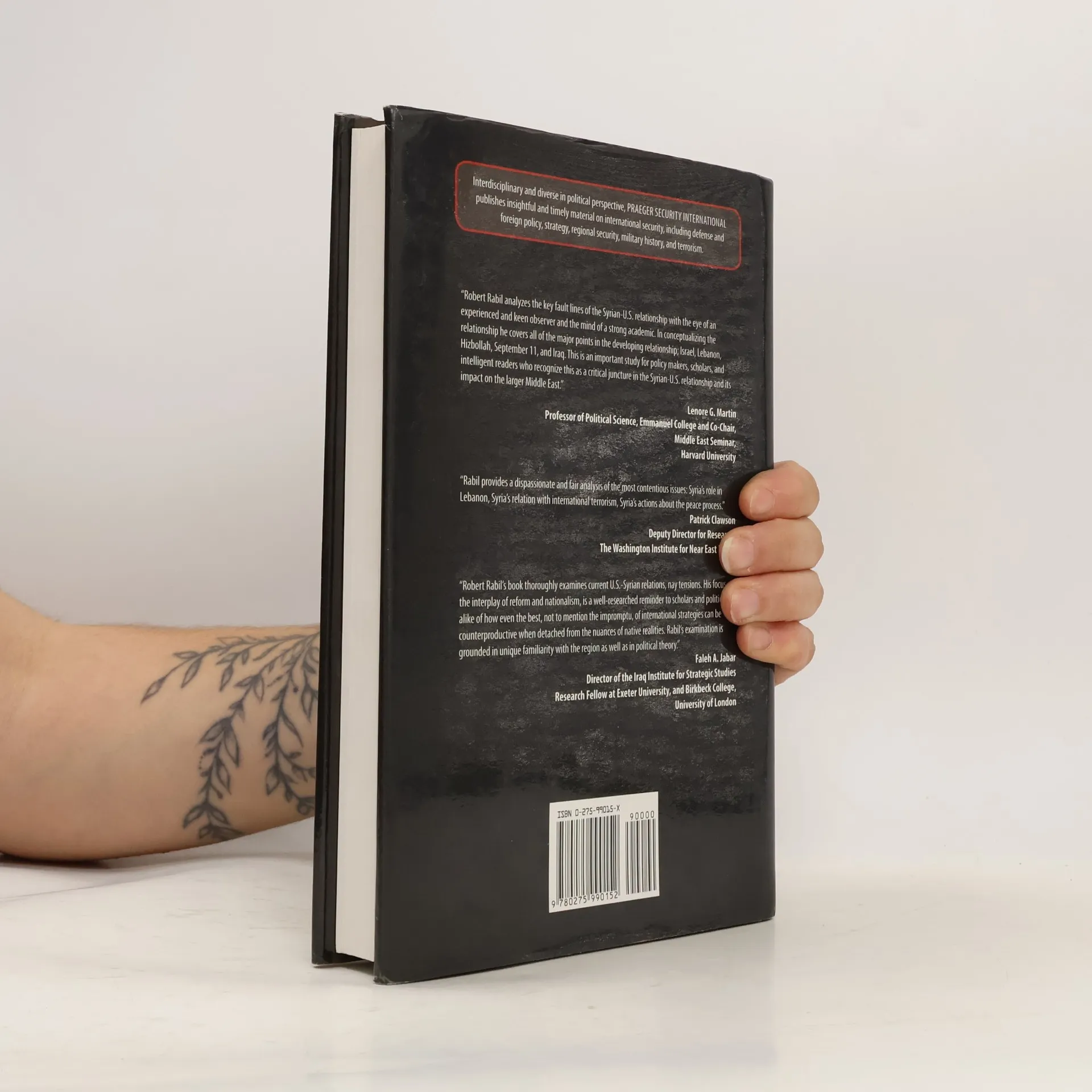
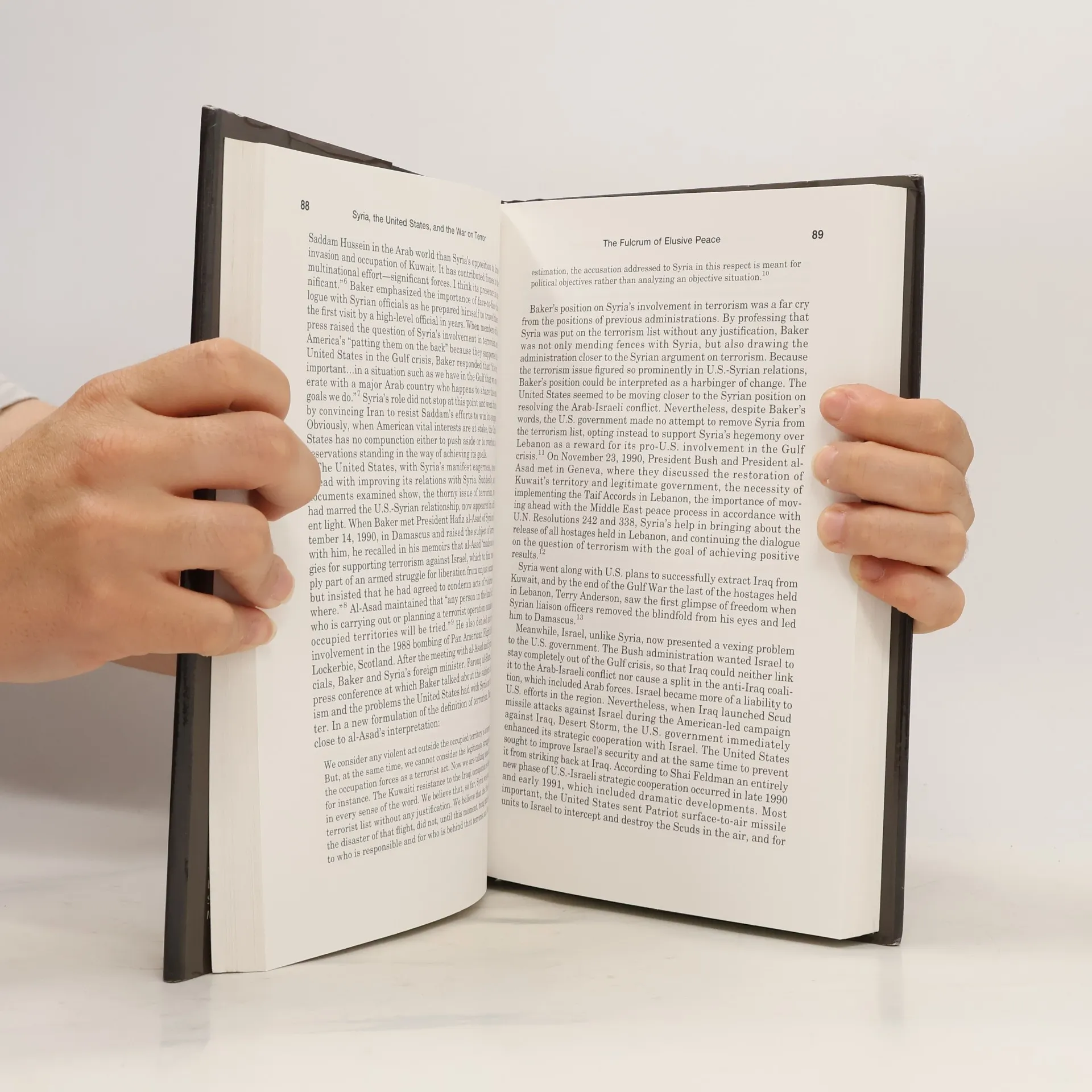
Since gaining independence from France in 1946, Syria has played a vital role in Middle Eastern politics, with U.S.-Syria relations fluctuating as Washington balances its commitment to Israel's security and support for Arab regimes. The Arab-Israeli conflict is no longer the sole focus; terrorism has become a significant factor. Syria has been on the State Department's terrorism list since 1979 and faced increased isolation after opposing the U.S. invasion of Iraq in 2003. The new Syrian leadership, in power since 2000, confronts challenges in maintaining its regional status amid internal and external threats. This tension has led to a collision course with the U.S. over issues like terrorism, arms proliferation, Lebanon, the Middle East peace process, and Iraq. Syria's role is crucial for U.S. interests, as it can influence stability in a volatile region. Recent events, including the assassination of a Lebanese politician and subsequent protests, prompted the withdrawal of Syrian troops from Lebanon. This action, while averting immediate violence, drew U.S. accusations of Syria's destabilizing influence and support for insurgents in Iraq. The U.S.-Syrian relationship is essential for promoting democracy in the Middle East, with ongoing U.S. pressure on Syria to combat terrorism domestically. Rabil offers a historical overview of this complex relationship within the broader context of Middle Eastern politics.
Nákup knihy
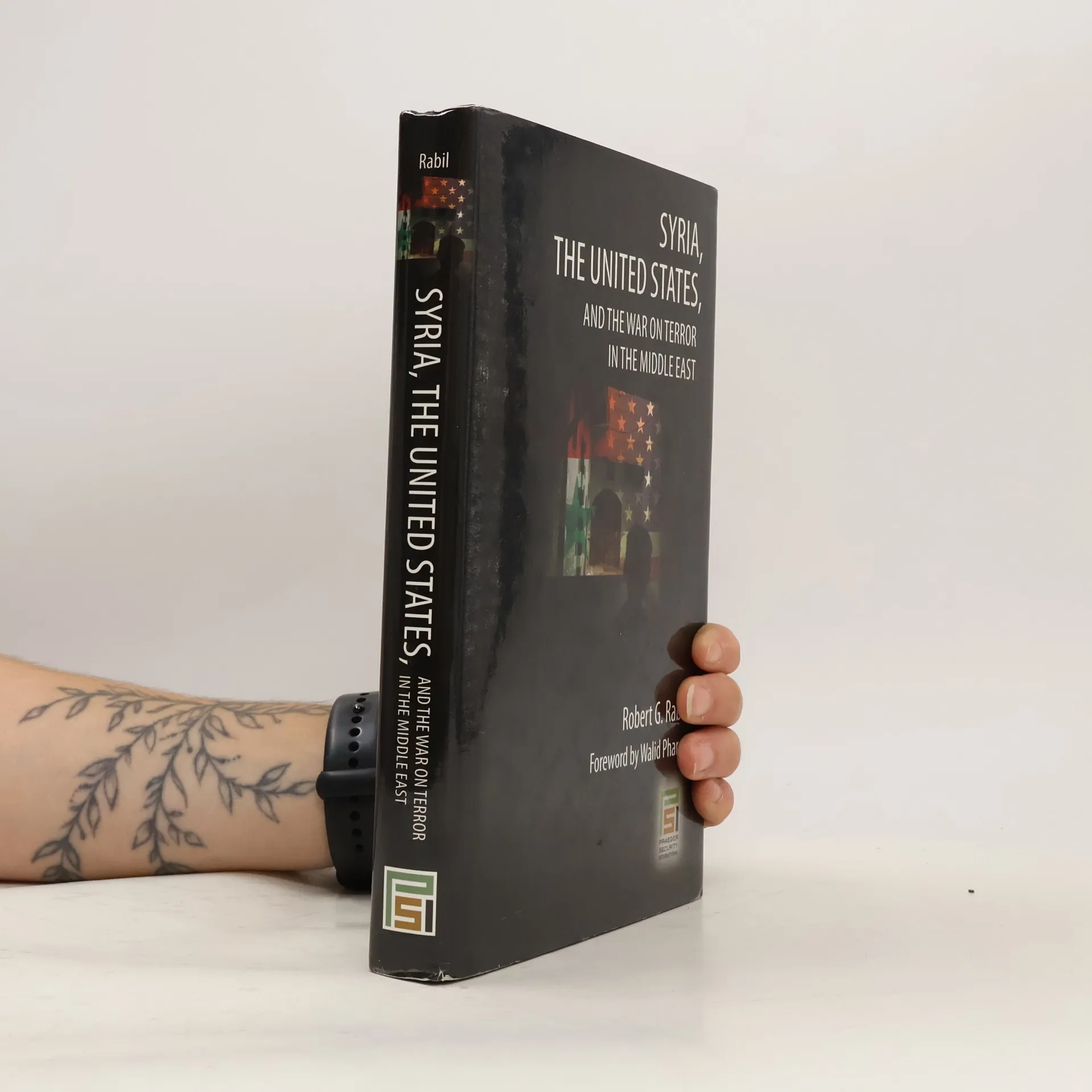
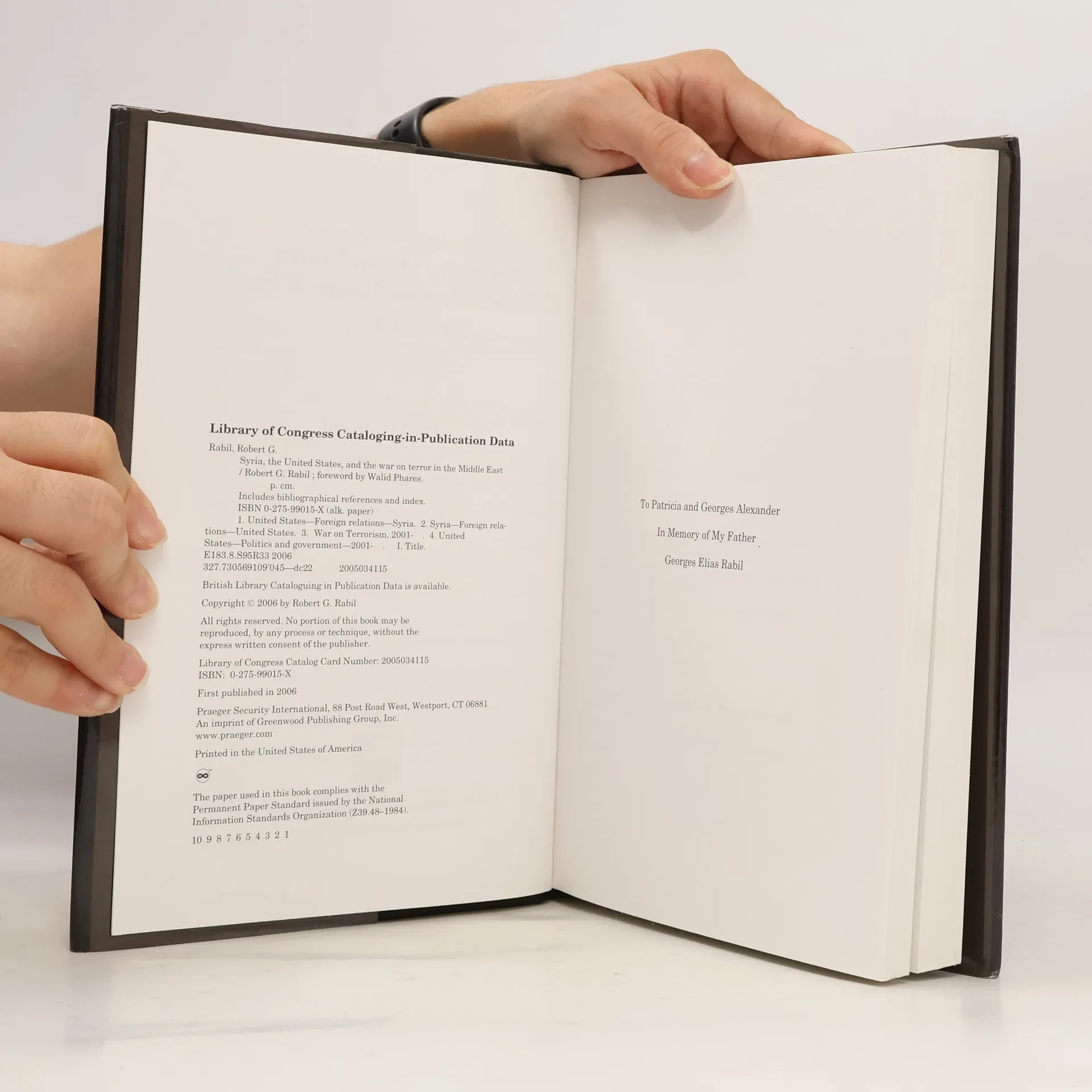
Praeger Security International: Syria, the United States, and the War on Terror in the Middle East, Robert G. Rabil, Walid Phares
- Jazyk

- Rok vydání
- 2006
- Vazba
- (pevná),
- Stav knihy
- Dobrá
- Cena
- 409 Kč
Nikdo zatím neohodnotil.
- Titul
- Praeger Security International: Syria, the United States, and the War on Terror in the Middle East
- Jazyk
- anglicky
- Autoři
- Robert G. Rabil, Walid Phares
- Vydavatel
- Praeger Security International
- Rok vydání
- 2006
- Vazba
- pevná
- Počet stran
- 289
- ISBN10
- 027599015X
- ISBN13
- 9780275990152
- Série
- Kategorie
- Anotace
- Since gaining independence from France in 1946, Syria has played a vital role in Middle Eastern politics, with U.S.-Syria relations fluctuating as Washington balances its commitment to Israel's security and support for Arab regimes. The Arab-Israeli conflict is no longer the sole focus; terrorism has become a significant factor. Syria has been on the State Department's terrorism list since 1979 and faced increased isolation after opposing the U.S. invasion of Iraq in 2003. The new Syrian leadership, in power since 2000, confronts challenges in maintaining its regional status amid internal and external threats. This tension has led to a collision course with the U.S. over issues like terrorism, arms proliferation, Lebanon, the Middle East peace process, and Iraq. Syria's role is crucial for U.S. interests, as it can influence stability in a volatile region. Recent events, including the assassination of a Lebanese politician and subsequent protests, prompted the withdrawal of Syrian troops from Lebanon. This action, while averting immediate violence, drew U.S. accusations of Syria's destabilizing influence and support for insurgents in Iraq. The U.S.-Syrian relationship is essential for promoting democracy in the Middle East, with ongoing U.S. pressure on Syria to combat terrorism domestically. Rabil offers a historical overview of this complex relationship within the broader context of Middle Eastern politics.