

Více o knize
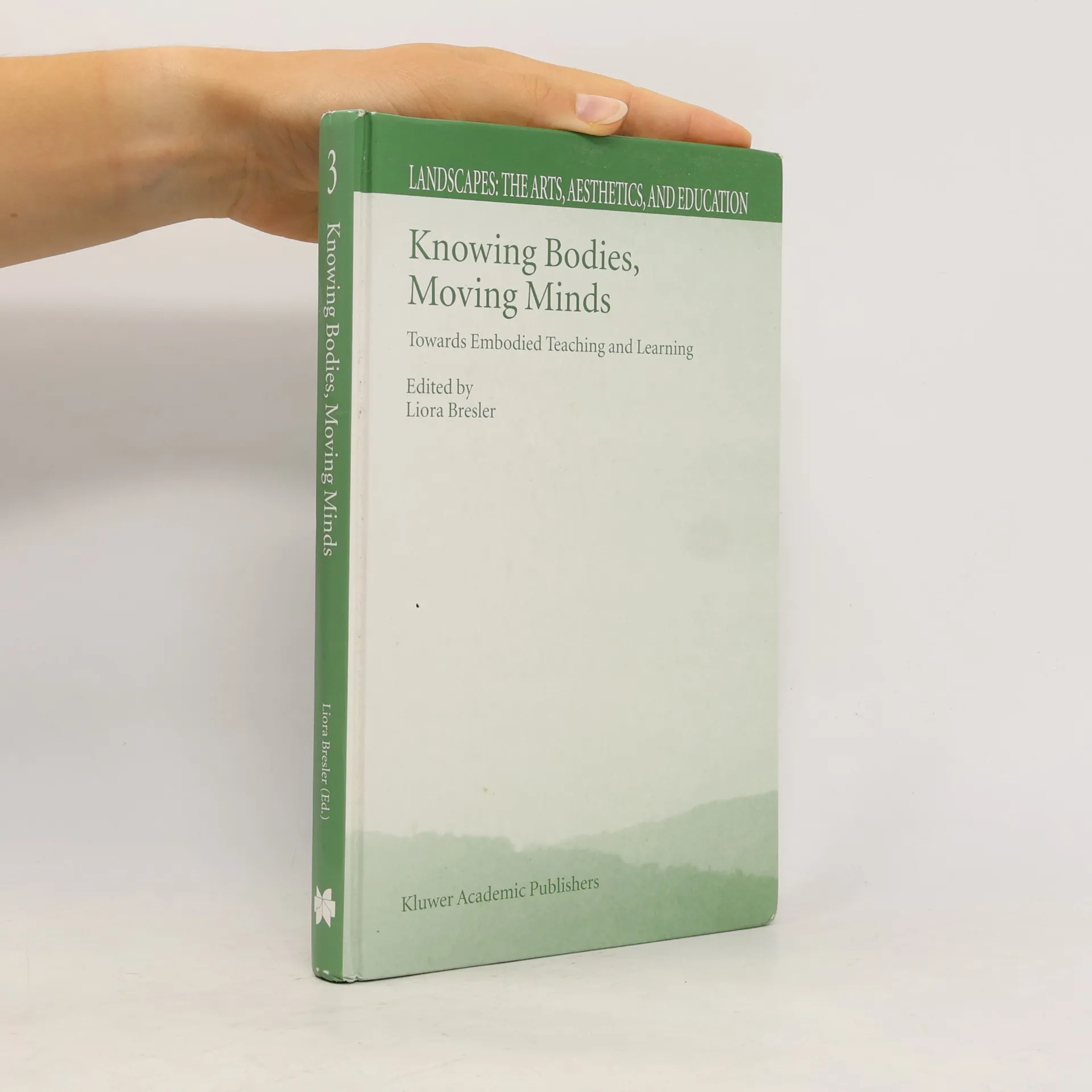
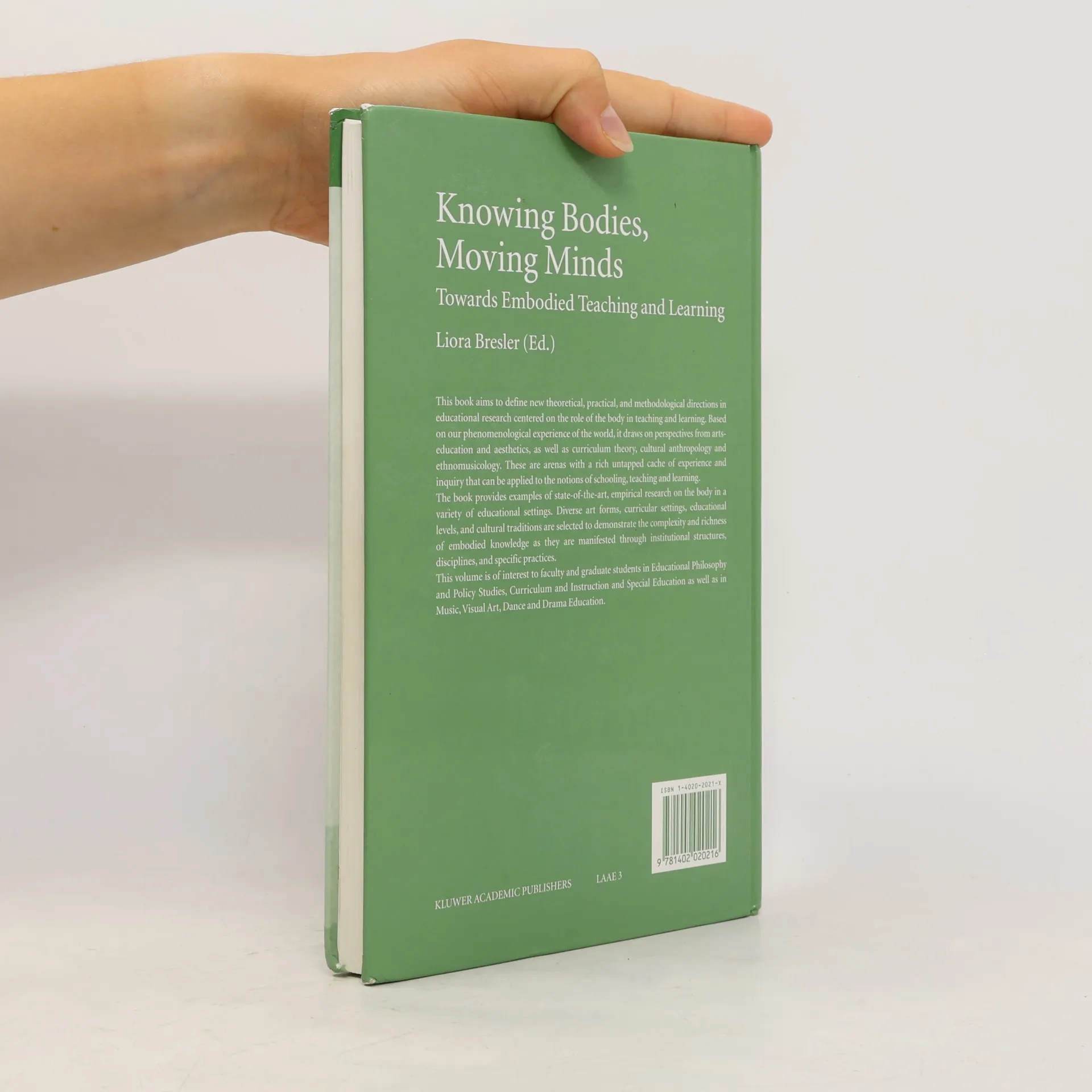
This book aims to define new theoretical, practical, and methodological directions in educational research centered on the role of the body in teaching and learning. Based on our phenomenological experience of the world, it draws on perspectives from arts-education and aesthetics, as well as curriculum theory, cultural anthropology and ethnomusicology. These are arenas with a rich untapped cache of experience and inquiry that can be applied to the notions of schooling, teaching and learning. The book provides examples of state-of-the-art, empirical research on the body in a variety of educational settings. Diverse art forms, curricular settings, educational levels, and cultural traditions are selected to demonstrate the complexity and richness of embodied knowledge as they are manifested through institutional structures, disciplines, and specific practices.
Nákup knihy
Landscapes: The Arts, Aesthetics, and Education - 3: Knowing Bodies, Moving Minds, Liora Bresler
- Jazyk

- Rok vydání
- 2004
- Vazba
- (pevná),
- Stav knihy
- Poškozená
- Cena
- 1 317 Kč
Nikdo zatím neohodnotil.
- Titul
- Landscapes: The Arts, Aesthetics, and Education - 3: Knowing Bodies, Moving Minds
- Podtitul
- Towards Embodied Teaching and Learning
- Jazyk
- anglicky
- Autoři
- Liora Bresler
- Vydavatel
- Springer
- Rok vydání
- 2004
- Vazba
- pevná
- Počet stran
- 240
- ISBN10
- 140202021X
- ISBN13
- 9781402020216
- Série
- Štítky
- Byznys, Filosofická tématika, Umění, Hudební tématika, Vzdělávání & školství, Výzkum, Mysl a tělo, Západní Evropa, Performativní umění, Pedagogická psychologie, Estetika, Tělo, Učební osnovy, kurikula, Pedagogický výzkum
- Anotace
- This book aims to define new theoretical, practical, and methodological directions in educational research centered on the role of the body in teaching and learning. Based on our phenomenological experience of the world, it draws on perspectives from arts-education and aesthetics, as well as curriculum theory, cultural anthropology and ethnomusicology. These are arenas with a rich untapped cache of experience and inquiry that can be applied to the notions of schooling, teaching and learning. The book provides examples of state-of-the-art, empirical research on the body in a variety of educational settings. Diverse art forms, curricular settings, educational levels, and cultural traditions are selected to demonstrate the complexity and richness of embodied knowledge as they are manifested through institutional structures, disciplines, and specific practices.