



Více o knize
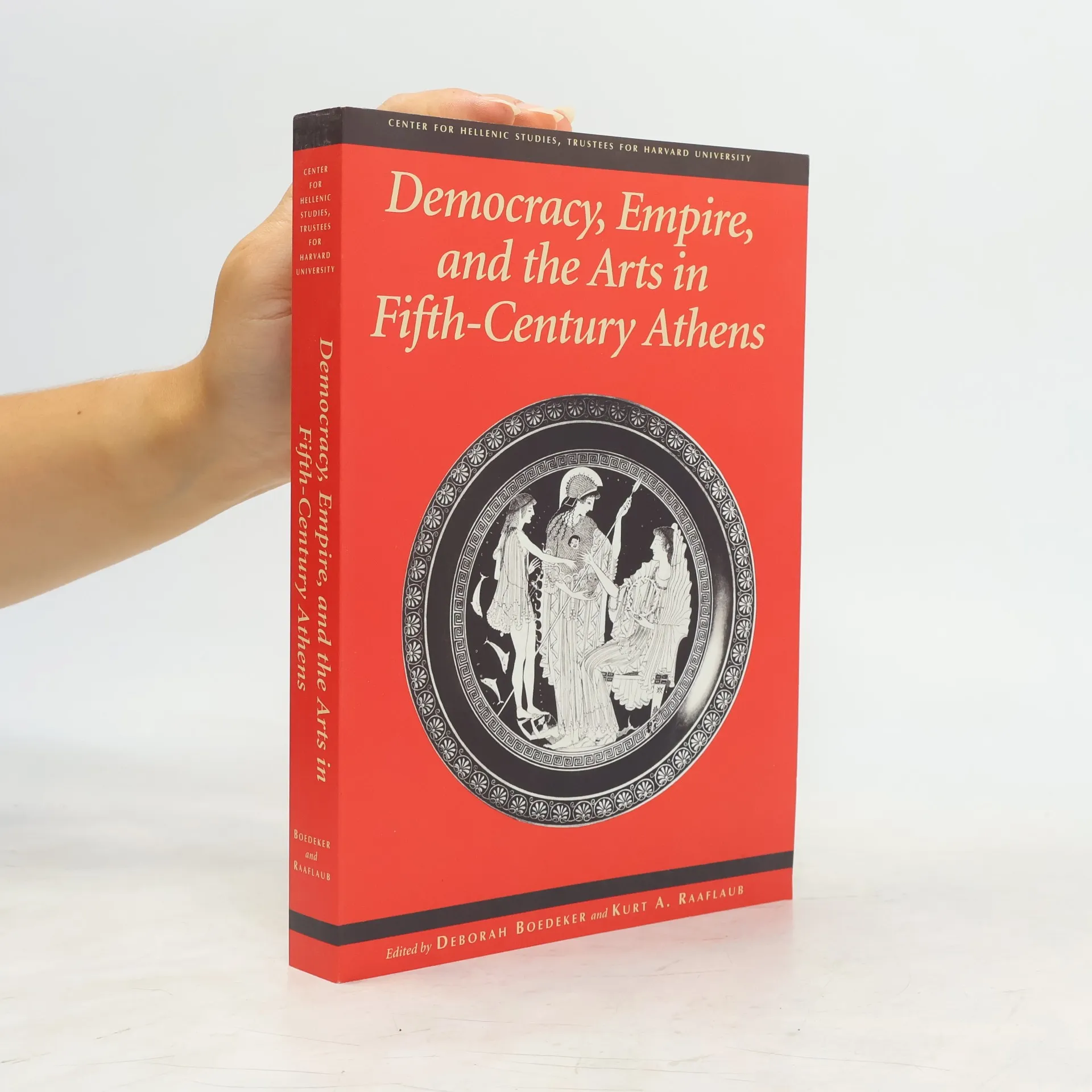
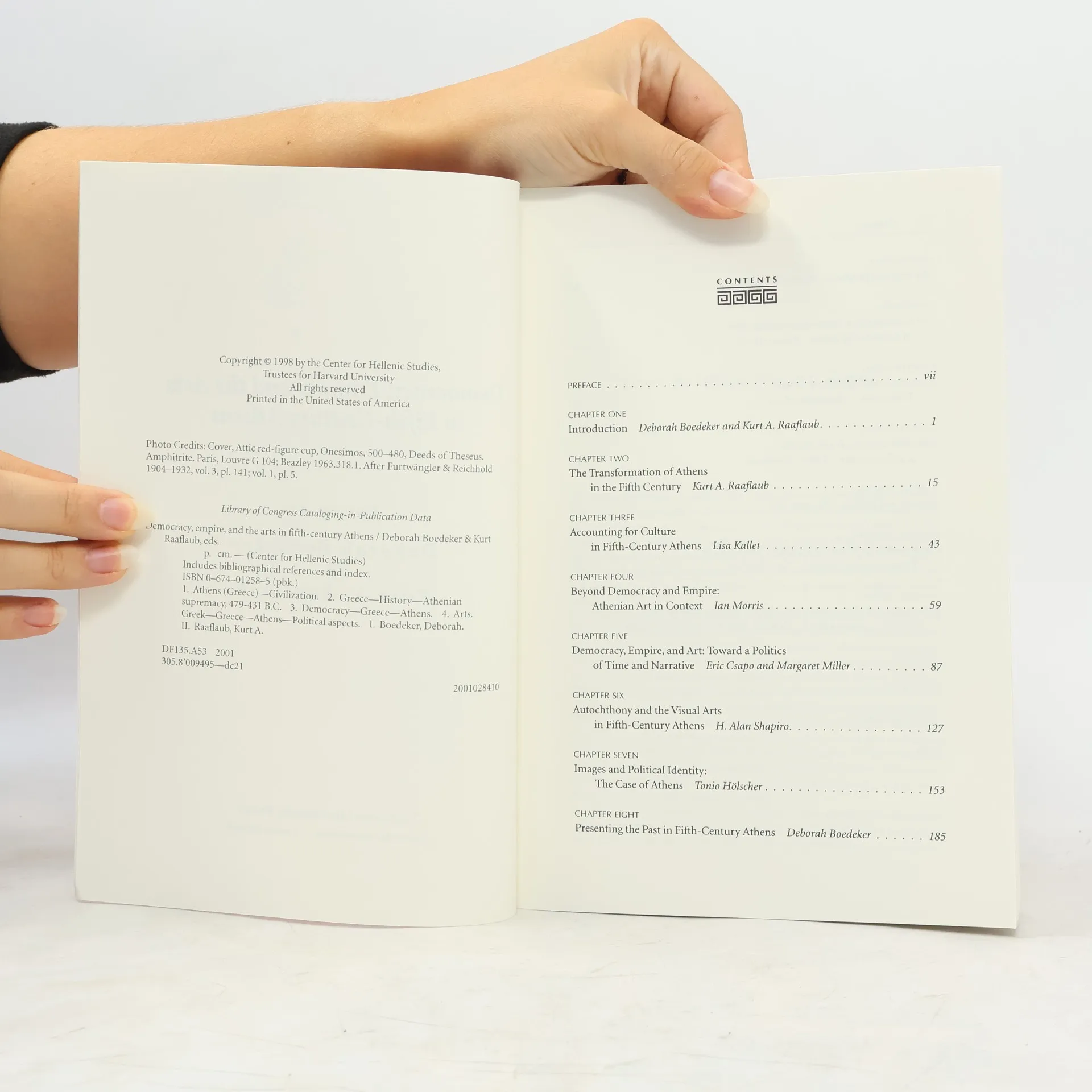
Athens in the fifth century B.C. offers a striking the first democracy in history; the first empire created and ruled by a Greek city; and a flourishing of learning, philosophical thought, and visual and performing arts so rich as to leave a remarkable heritage for Western civilization. To what extent were these three parallel developments interrelated? An international group of fourteen scholars expert in different fields explores here the ways in which the fifth-century "cultural revolution" depended on Athenian democracy and the ways it was influenced by the fact that Athens was an imperial city. The authors bring to this analysis their individual areas of expertise--in the visual arts, poetry and drama, philosophy, archaeology, religion, and social, economic, and political history--and a variety of theoretical approaches. The product of a colloquium at Harvard's Center for Hellenic Studies in Washington, D.C., Democracy, Empire, and the Arts in Fifth-Century Athens sheds new light on a much debated question that has wide implications. The book is illustrated and enriched by a comprehensive bibliography on the subject.
Nákup knihy
Center for Hellenic Studies Colloquia: Democracy, Empire, and the Arts in Fifth-Century Athens, Deborah Dickmann Boedeker, Kurt A. Raaflaub
- Jazyk

- Rok vydání
- 1998
- Vazba
- (měkká)
Nikdo zatím neohodnotil.
- Titul
- Center for Hellenic Studies Colloquia: Democracy, Empire, and the Arts in Fifth-Century Athens
- Jazyk
- anglicky
- Rok vydání
- 1998
- Vazba
- měkká
- Počet stran
- 512
- ISBN10
- 0674012585
- ISBN13
- 9780674012585
- Série
- Kategorie
- Štítky
- Historické téma, Umění, Evropa, Historie umění, Starověk, antika, Historie Evropy, Řecko, Starověké Řecko
- Anotace
- Athens in the fifth century B.C. offers a striking the first democracy in history; the first empire created and ruled by a Greek city; and a flourishing of learning, philosophical thought, and visual and performing arts so rich as to leave a remarkable heritage for Western civilization. To what extent were these three parallel developments interrelated? An international group of fourteen scholars expert in different fields explores here the ways in which the fifth-century "cultural revolution" depended on Athenian democracy and the ways it was influenced by the fact that Athens was an imperial city. The authors bring to this analysis their individual areas of expertise--in the visual arts, poetry and drama, philosophy, archaeology, religion, and social, economic, and political history--and a variety of theoretical approaches. The product of a colloquium at Harvard's Center for Hellenic Studies in Washington, D.C., Democracy, Empire, and the Arts in Fifth-Century Athens sheds new light on a much debated question that has wide implications. The book is illustrated and enriched by a comprehensive bibliography on the subject.