


Více o knize
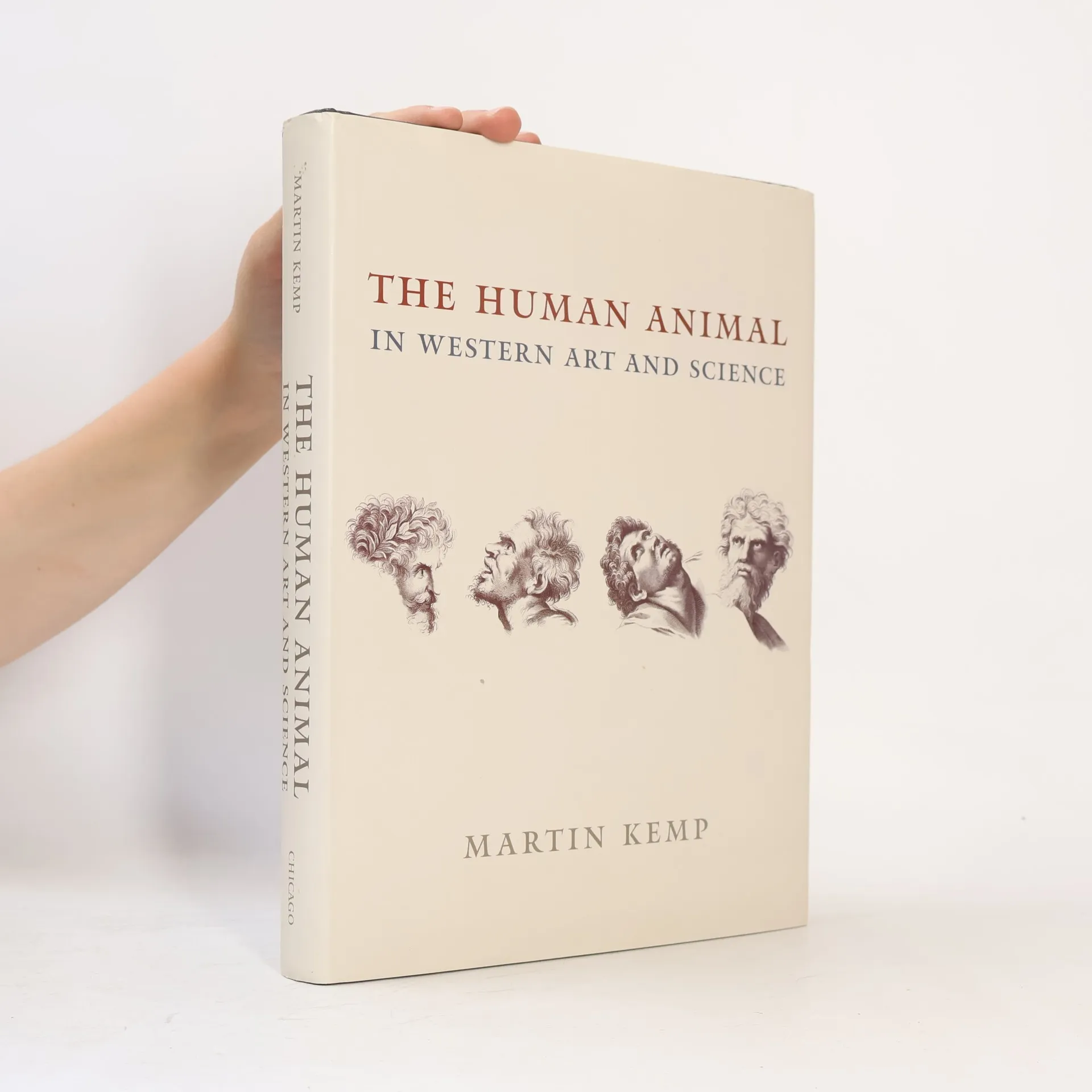
From the lazy grasshopper to the cunning Big Bad Wolf, children's stories and fables enchant us with anthropomorphized animals. However, these comparisons reveal that humans often mirror animal behavior, blurring the line between species. Martin Kemp delves into this intricate relationship, showcasing how deeply intertwined the connections between humans and animals are in our culture. He navigates through art, science, and literature, offering insights into Western thought—from Aristotelian physiognomy and its impact on phrenology to the Great Chain of Being and Darwinian evolution. Readers encounter the troubling racist anthropology behind a Degas sculpture, observe a simian portrayal of Judas, and witness Mowgli from Kipling’s The Jungle Book embodying the traits of the beasts that raised him. Kemp’s exploration acts like a kaleidoscope, refracting and reshaping our understanding of how perceptions of animals influence our views of humanity and vice versa. Richly illustrated and drawing on a wide array of sources from Hesiod to P. T. Barnum, this work serves as a captivating reminder of our profound connections with the animal kingdom.
Nákup knihy
Bross Lecture Series: The Human Animal in Western Art and Science, Martin Kemp
- Jazyk

- Rok vydání
- 2007
- Vazba
- (pevná)
Doručení
Platební metody
Nikdo zatím neohodnotil.
- Titul
- Bross Lecture Series: The Human Animal in Western Art and Science
- Jazyk
- anglicky
- Autoři
- Martin Kemp
- Vydavatel
- The University of Chicago Press
- Rok vydání
- 2007
- Vazba
- pevná
- Počet stran
- 320
- ISBN10
- 0226430332
- ISBN13
- 9780226430331
- Série
- Štítky
- Historické téma, Přírodní vědy, Umění, Zvířata, Věda, Evropa, Literární kritika, Zoologie
- Anotace
- From the lazy grasshopper to the cunning Big Bad Wolf, children's stories and fables enchant us with anthropomorphized animals. However, these comparisons reveal that humans often mirror animal behavior, blurring the line between species. Martin Kemp delves into this intricate relationship, showcasing how deeply intertwined the connections between humans and animals are in our culture. He navigates through art, science, and literature, offering insights into Western thought—from Aristotelian physiognomy and its impact on phrenology to the Great Chain of Being and Darwinian evolution. Readers encounter the troubling racist anthropology behind a Degas sculpture, observe a simian portrayal of Judas, and witness Mowgli from Kipling’s The Jungle Book embodying the traits of the beasts that raised him. Kemp’s exploration acts like a kaleidoscope, refracting and reshaping our understanding of how perceptions of animals influence our views of humanity and vice versa. Richly illustrated and drawing on a wide array of sources from Hesiod to P. T. Barnum, this work serves as a captivating reminder of our profound connections with the animal kingdom.