

Parametry
- 288 stránek
- 11 hodin čtení
Více o knize
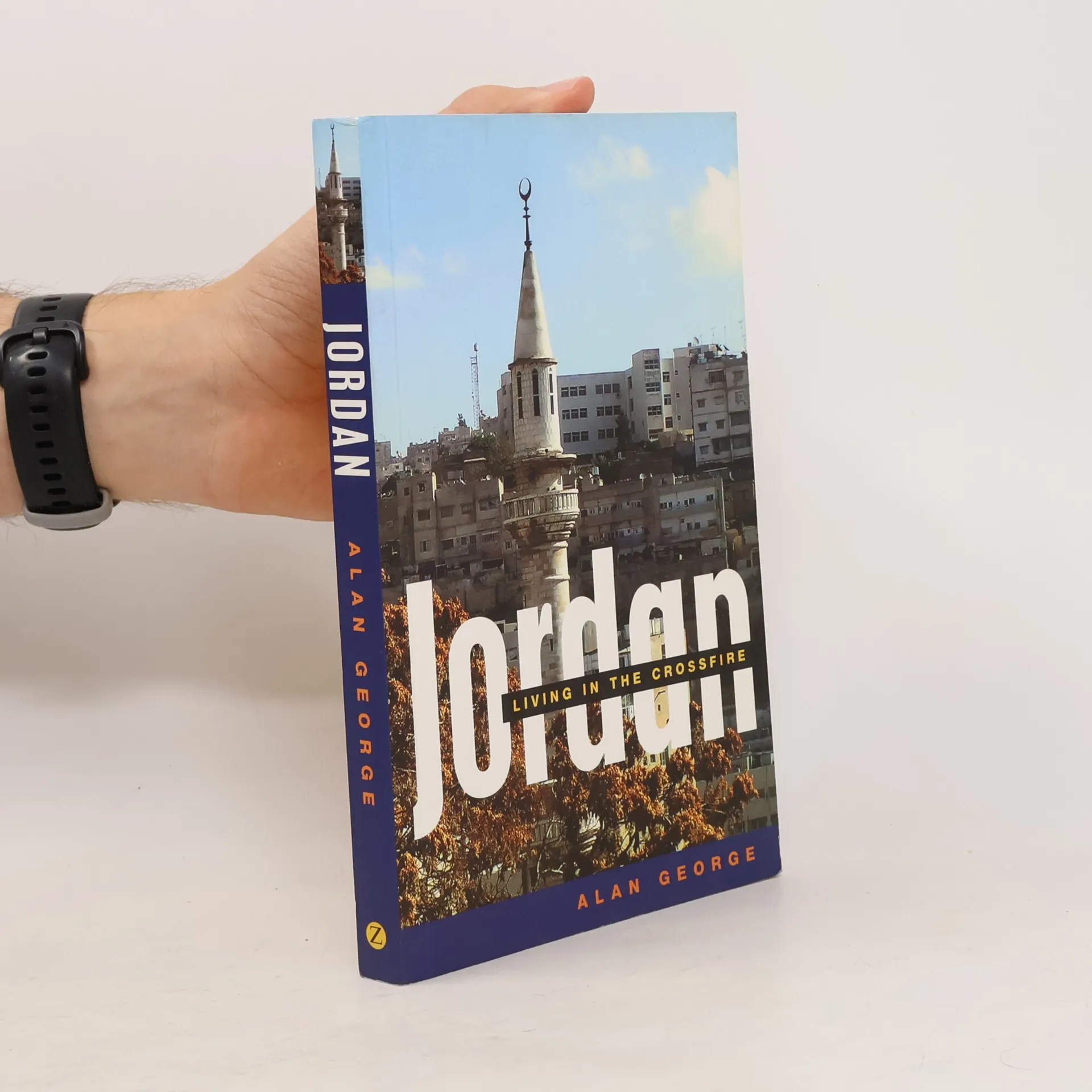
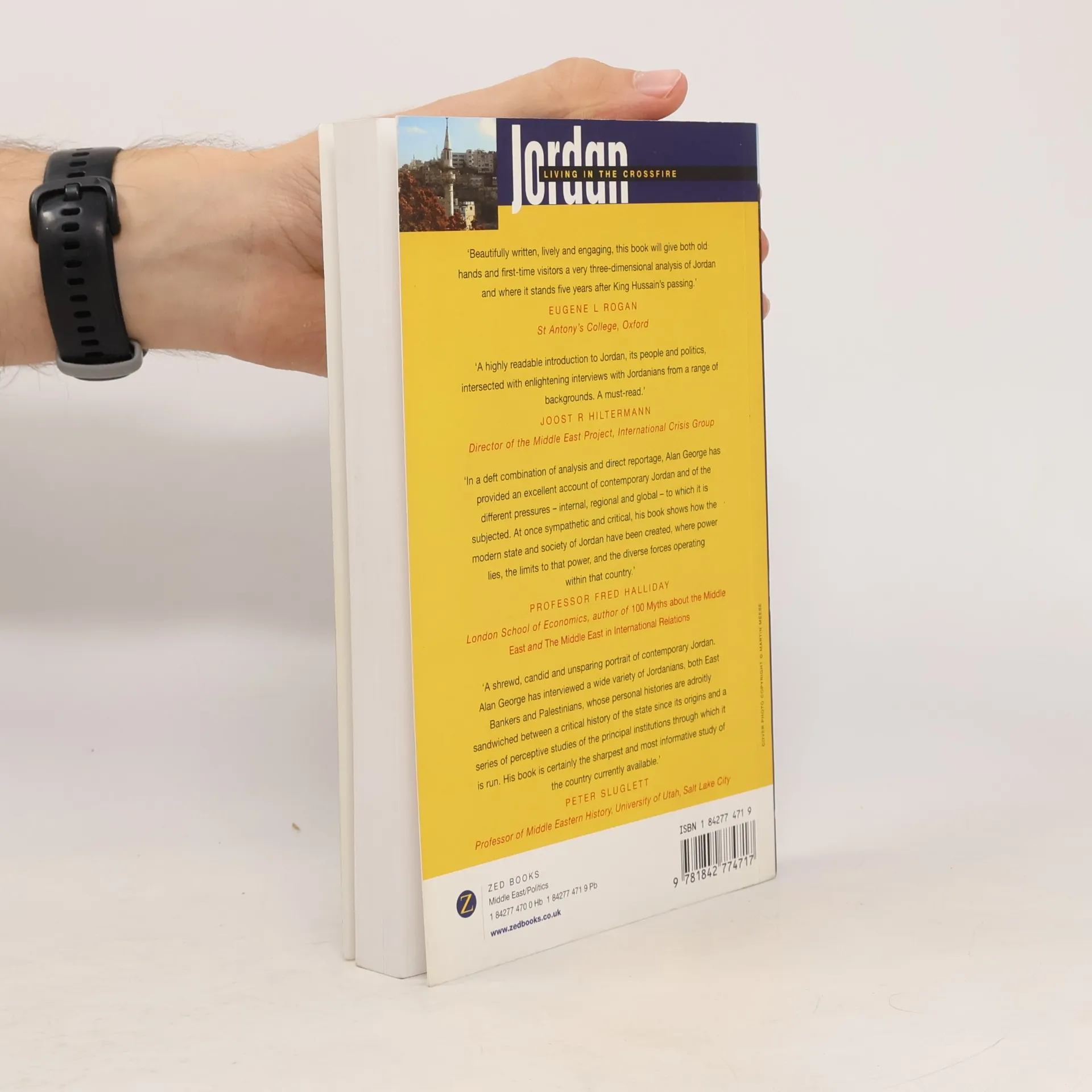
Jordan has played a bigger role in Middle Eastern affairs than its size and economy might warrant, due to its huge Palestinian population, its strategic location between Israel, the West Bank, Syria and Iraq, and its uniquely close relationship with successive British and US administrations. Drawing on numerous visits to the country and interviews with a diversity of people from King Abdullah down, Alan George describes how its reasonably stable monarchical system, unlike that in most Arab countries, has allowed the halting development of civil society and maintained control through the skilful co-option of opponents rather than heavy-handed reliance on its secret police. What is daily life like? How do its parliamentary system and political parties work? How free are the media? What are the future prospects of this buffer 'state without a nation'?
Nákup knihy
Jordan, George Alan Appleby
- Jazyk

- Rok vydání
- 2005
- Vazba
- (měkká),
- Stav knihy
- Velmi dobrá
- Cena
- 169 Kč
Doručení
Platební metody
Nikdo zatím neohodnotil.
- Titul
- Jordan
- Podtitul
- Living in the Crossfire
- Jazyk
- anglicky
- Autoři
- George Alan Appleby
- Vydavatel
- Zed Books
- Rok vydání
- 2005
- Vazba
- měkká
- Počet stran
- 288
- ISBN10
- 1842774719
- ISBN13
- 9781842774717
- Série
- Štítky
- Historické téma, Politika, Politické teorie, Mezinárodní vztahy, Diplomacie, Severní Afrika, Jordánsko
- Anotace
- Jordan has played a bigger role in Middle Eastern affairs than its size and economy might warrant, due to its huge Palestinian population, its strategic location between Israel, the West Bank, Syria and Iraq, and its uniquely close relationship with successive British and US administrations. Drawing on numerous visits to the country and interviews with a diversity of people from King Abdullah down, Alan George describes how its reasonably stable monarchical system, unlike that in most Arab countries, has allowed the halting development of civil society and maintained control through the skilful co-option of opponents rather than heavy-handed reliance on its secret police. What is daily life like? How do its parliamentary system and political parties work? How free are the media? What are the future prospects of this buffer 'state without a nation'?