

Více o knize
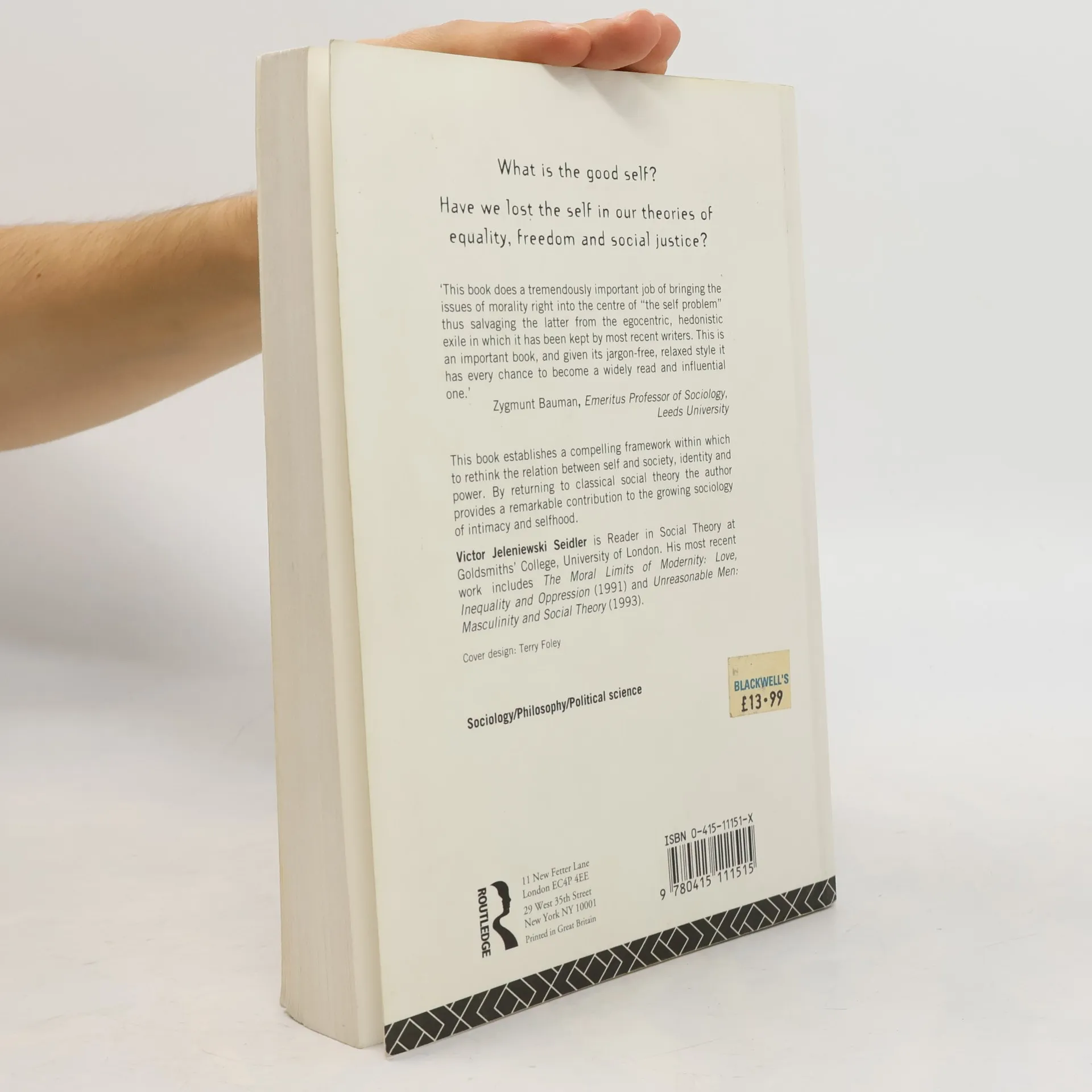
This important work places morality and justice at the core of social theory, examining the complexities of modernity through the lenses of Marx, Durkheim, and Weber. It critiques the notion of a unified rational self, which fragments in postmodernity, and emphasizes the significance of the body and emotional life. By establishing new terms for respect and equality, it reveals how power dynamics undermine self-worth and adequacy. Drawing on feminism and Critical Theory, it challenges the simplistic divide between "essentialism" and "social constructionism," positioning morality at the heart of the "self problem." The author connects the self to the historical narratives of socialism, feminism, masculinity, ethnicity, and Jewish identity, illustrating the interplay between these experiences. Identities are shaped not by free choice but by the legacies of class, race, and gender. The critique of postmodern theories, which often embrace relativism, underscores the need to reaffirm values and recover a tradition that allows for meaningful discussions of freedom and social justice. This work aims to break the intellectual barriers that have made social theory increasingly esoteric, striving to reconnect theoretical discourse with the realities of everyday life.
Nákup knihy
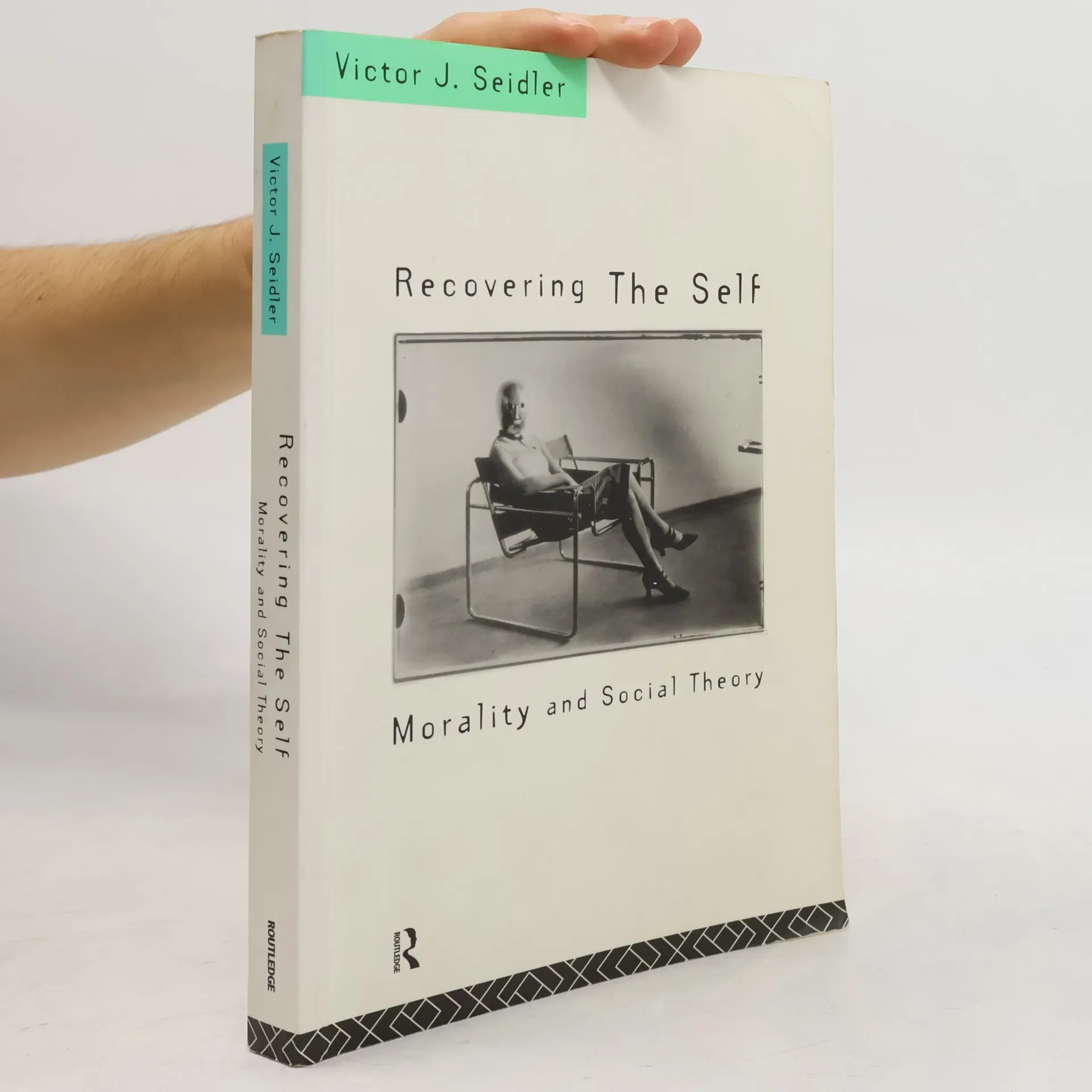
Recovering the Self, Victor J. Seidler
- Jazyk

- Rok vydání
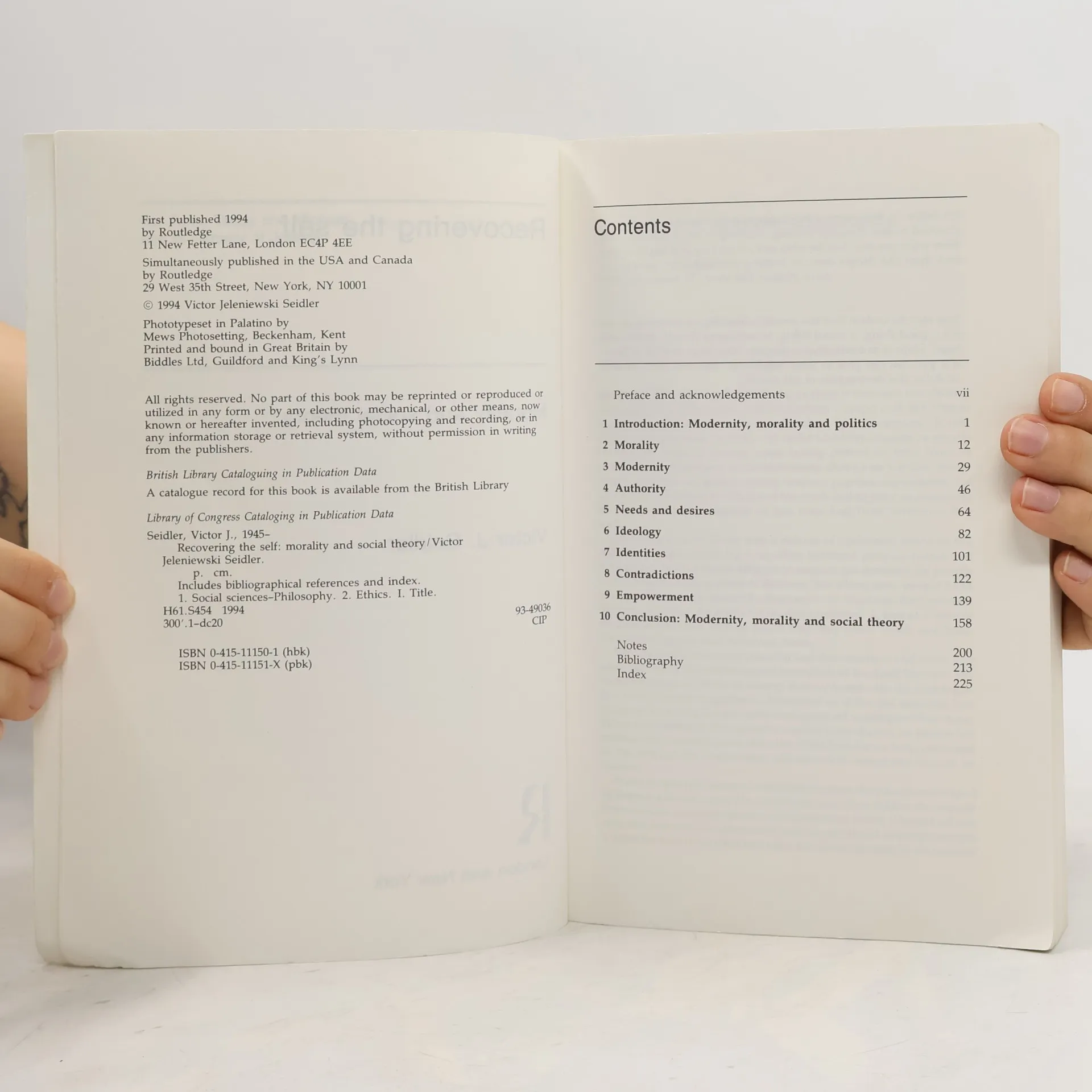
- 1994
- Vazba
- (měkká),
- Stav knihy
- Dobrá
- Cena
- 159 Kč
Nikdo zatím neohodnotil.
- Titul
- Recovering the Self
- Podtitul
- Morality and Social Theory
- Jazyk
- anglicky
- Autoři
- Victor J. Seidler
- Vydavatel
- Routledge
- Rok vydání
- 1994
- Vazba
- měkká
- Počet stran
- 256
- ISBN10
- 041511151X
- ISBN13
- 9780415111515
- Série
- Štítky
- Příručky a návody, Psaní, Kultura, Etika, Marxismus, Muži, Morálka, Metodologie
- Anotace
- This important work places morality and justice at the core of social theory, examining the complexities of modernity through the lenses of Marx, Durkheim, and Weber. It critiques the notion of a unified rational self, which fragments in postmodernity, and emphasizes the significance of the body and emotional life. By establishing new terms for respect and equality, it reveals how power dynamics undermine self-worth and adequacy. Drawing on feminism and Critical Theory, it challenges the simplistic divide between "essentialism" and "social constructionism," positioning morality at the heart of the "self problem." The author connects the self to the historical narratives of socialism, feminism, masculinity, ethnicity, and Jewish identity, illustrating the interplay between these experiences. Identities are shaped not by free choice but by the legacies of class, race, and gender. The critique of postmodern theories, which often embrace relativism, underscores the need to reaffirm values and recover a tradition that allows for meaningful discussions of freedom and social justice. This work aims to break the intellectual barriers that have made social theory increasingly esoteric, striving to reconnect theoretical discourse with the realities of everyday life.