


Více o knize
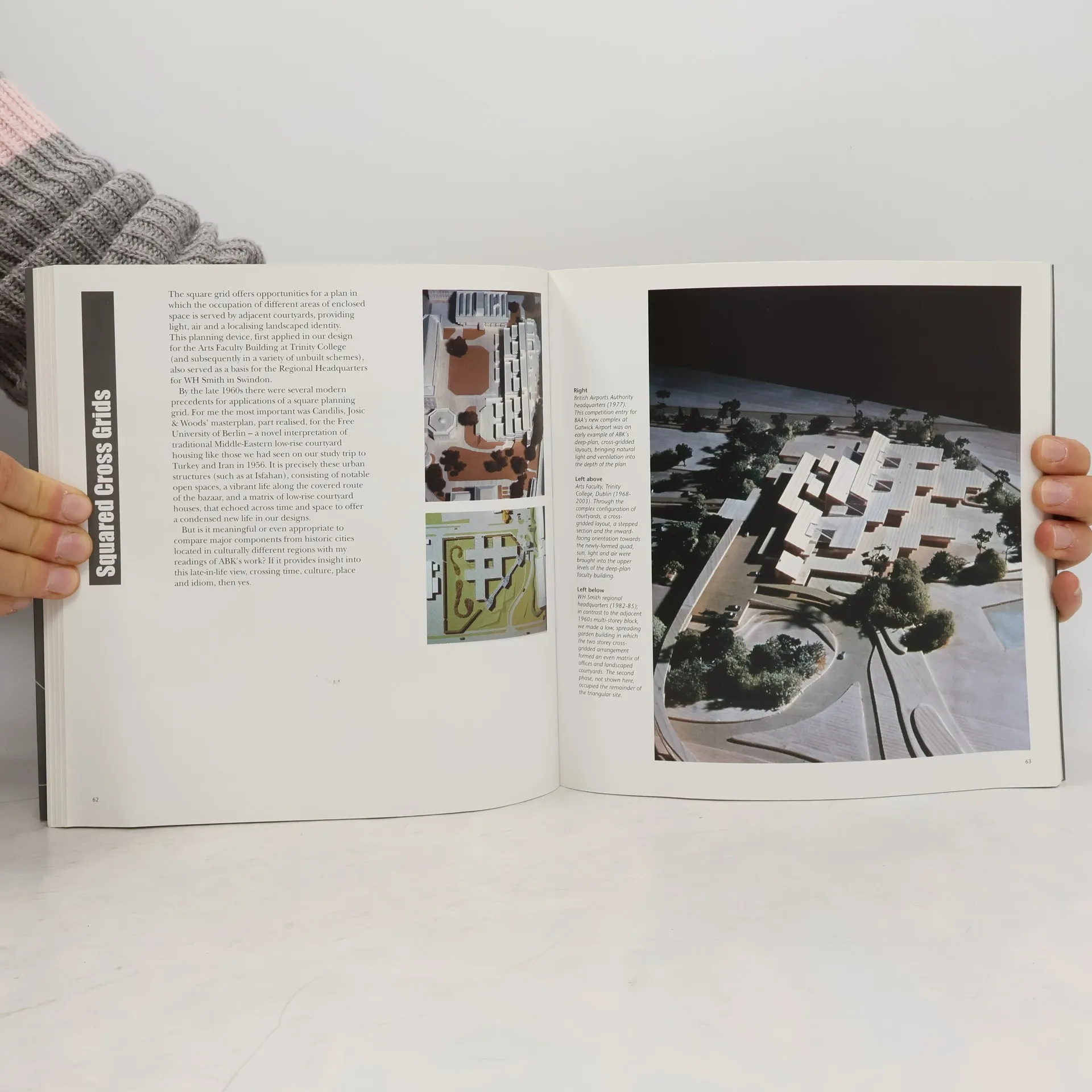
'For us,' Steffen Ahrends told his son Peter, who was born in Berlin in 1933, 'the history of architecture started with the Soviet 1917 revolution.' It wasn't entirely a joke. For many designers in the Weimar Republic, and for subsequent generations of modernist hardliners, 1917 had made possible a reconstruction of life on collective, egalitarian and, above all, planned lines. That meant a central position for architects, who would have the unprecedented opportunity of designing buildings for an entirely new form of society. Peter Ahrends's self-published book A3: Threads and Connections is an oblique telling of this tale, through three generations of architects. Peter founded the influential firm Ahrends, Burton and Koralek (ABK) in 1960s London, and his grandfather, Bruno, was one of the principal designers of the White City estate in northern Berlin, one of a cluster of social housing projects from the Weimar era to be given a Unesco World Heritage listing. It is a commonplace that modern architecture in Britain, as an ideology, was an import from interwar Central Europe - dropped off en route to the US by Mendelsohn or Gropius, and picked up by permanent émigrés like Goldfinger, Lubetkin et al - and Ahrends's book is a document of the way the architects involved saw this process.
Nákup knihy
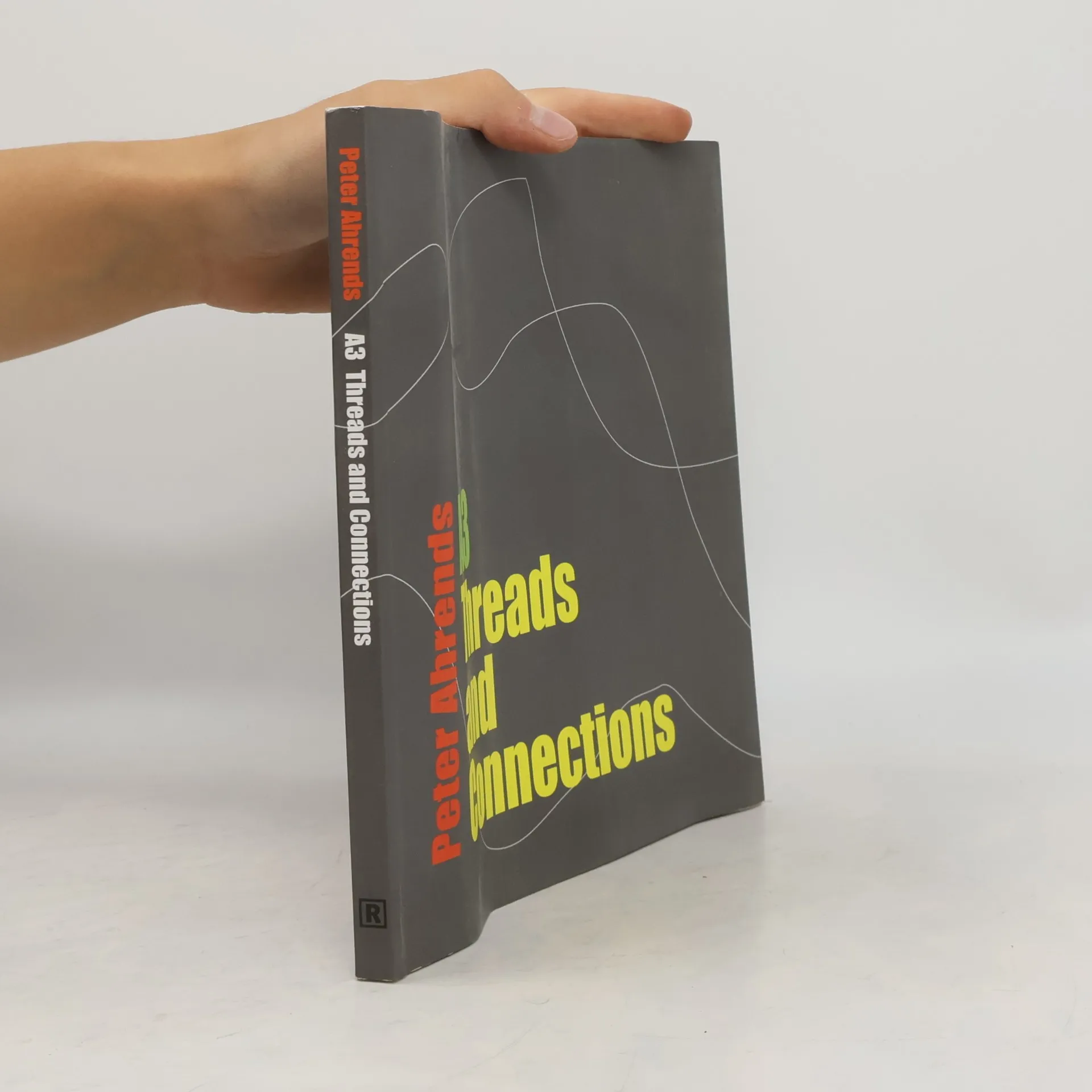
A3 Threads and Connections, Peter Ahrends
- Jazyk

- Rok vydání
- 2015
- Vazba
- (měkká),
- Stav knihy
- Poškozená
- Cena
- 344 Kč
Nikdo zatím neohodnotil.
- Titul
- A3 Threads and Connections
- Jazyk
- anglicky
- Autoři
- Peter Ahrends
- Vydavatel
- Right Angle Publishing Ltd
- Rok vydání
- 2015
- Vazba
- měkká
- Počet stran
- 128
- ISBN10
- 0953284891
- ISBN13
- 9780953284894
- Série
- Anotace
- 'For us,' Steffen Ahrends told his son Peter, who was born in Berlin in 1933, 'the history of architecture started with the Soviet 1917 revolution.' It wasn't entirely a joke. For many designers in the Weimar Republic, and for subsequent generations of modernist hardliners, 1917 had made possible a reconstruction of life on collective, egalitarian and, above all, planned lines. That meant a central position for architects, who would have the unprecedented opportunity of designing buildings for an entirely new form of society. Peter Ahrends's self-published book A3: Threads and Connections is an oblique telling of this tale, through three generations of architects. Peter founded the influential firm Ahrends, Burton and Koralek (ABK) in 1960s London, and his grandfather, Bruno, was one of the principal designers of the White City estate in northern Berlin, one of a cluster of social housing projects from the Weimar era to be given a Unesco World Heritage listing. It is a commonplace that modern architecture in Britain, as an ideology, was an import from interwar Central Europe - dropped off en route to the US by Mendelsohn or Gropius, and picked up by permanent émigrés like Goldfinger, Lubetkin et al - and Ahrends's book is a document of the way the architects involved saw this process.