



Parametry
- 496 stránek
- 18 hodin čtení
Více o knize
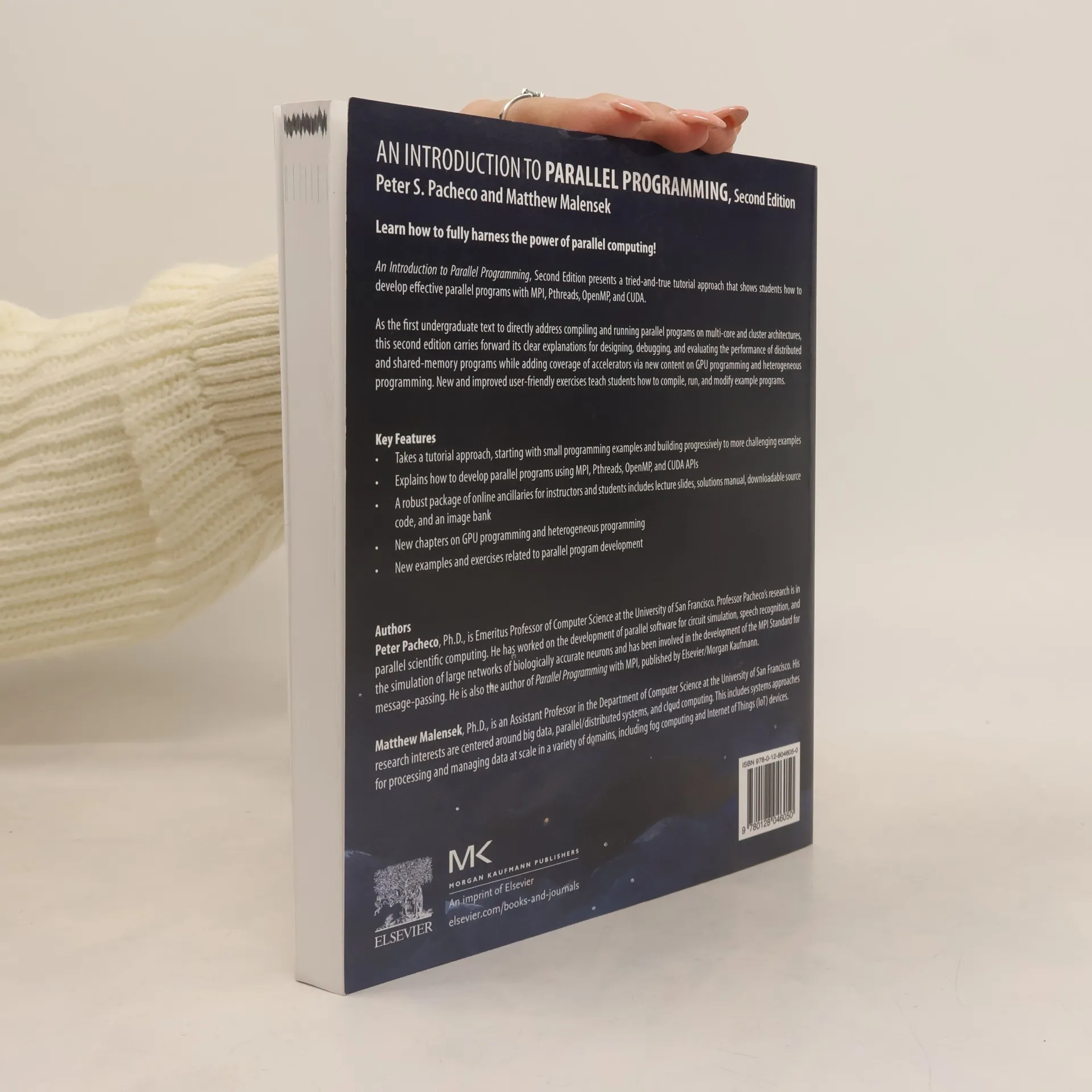
An Introduction to Parallel Programming, Second Edition presents a tried-and-true tutorial approach that shows students how to develop effective parallel programs with MPI, Pthreads and OpenMP. As the first undergraduate text to directly address compiling and running parallel programs on multi-core and cluster architecture, this second edition carries forward its clear explanations for designing, debugging and evaluating the performance of distributed and shared-memory programs while adding coverage of accelerators via new content on GPU programming and heterogeneous programming. New and improved user-friendly exercises teach students how to compile, run and modify example programs. Inhaltsverzeichnis 1. Why parallel computing 2. Parallel hardware and parallel software 3. Distributed memory programming with MPI 4. Shared-memory programming with Pthreads 5. Shared-memory programming with OpenMP 6. GPU programming with CUDA 7. Parallel program development 8. Where to go from here
Nákup knihy
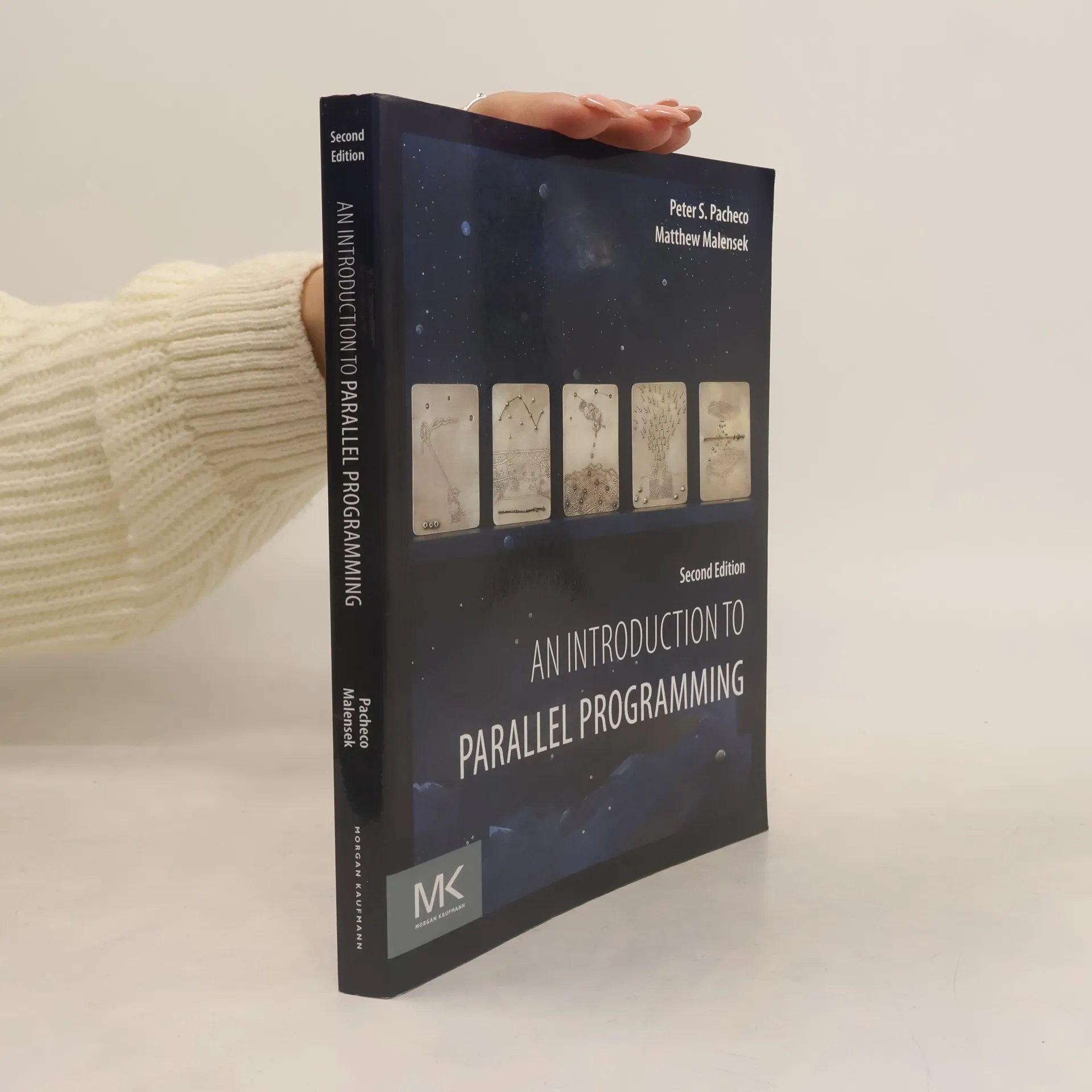
An Introduction to Parallel Programming - Second Edition, Peter S. Pacheco, Matthew Malensek
- Jazyk

- Rok vydání
- 2022
- Vazba
- (měkká),
- Stav knihy
- Poškozená
- Cena
- 803 Kč
Nikdo zatím neohodnotil.
- Titul
- An Introduction to Parallel Programming - Second Edition
- Jazyk
- anglicky
- Autoři
- Peter S. Pacheco, Matthew Malensek
- Vydavatel
- Elsevier Science & Technology
- Rok vydání
- 2022
- Vazba
- měkká
- Počet stran
- 496
- ISBN10
- 0128046058
- ISBN13
- 9780128046050
- Série
- Kategorie
- Štítky
- Software, Vývoj softwaru, Algoritmy, Hardware, Kešky
- Anotace
- An Introduction to Parallel Programming, Second Edition presents a tried-and-true tutorial approach that shows students how to develop effective parallel programs with MPI, Pthreads and OpenMP. As the first undergraduate text to directly address compiling and running parallel programs on multi-core and cluster architecture, this second edition carries forward its clear explanations for designing, debugging and evaluating the performance of distributed and shared-memory programs while adding coverage of accelerators via new content on GPU programming and heterogeneous programming. New and improved user-friendly exercises teach students how to compile, run and modify example programs. Inhaltsverzeichnis 1. Why parallel computing 2. Parallel hardware and parallel software 3. Distributed memory programming with MPI 4. Shared-memory programming with Pthreads 5. Shared-memory programming with OpenMP 6. GPU programming with CUDA 7. Parallel program development 8. Where to go from here