

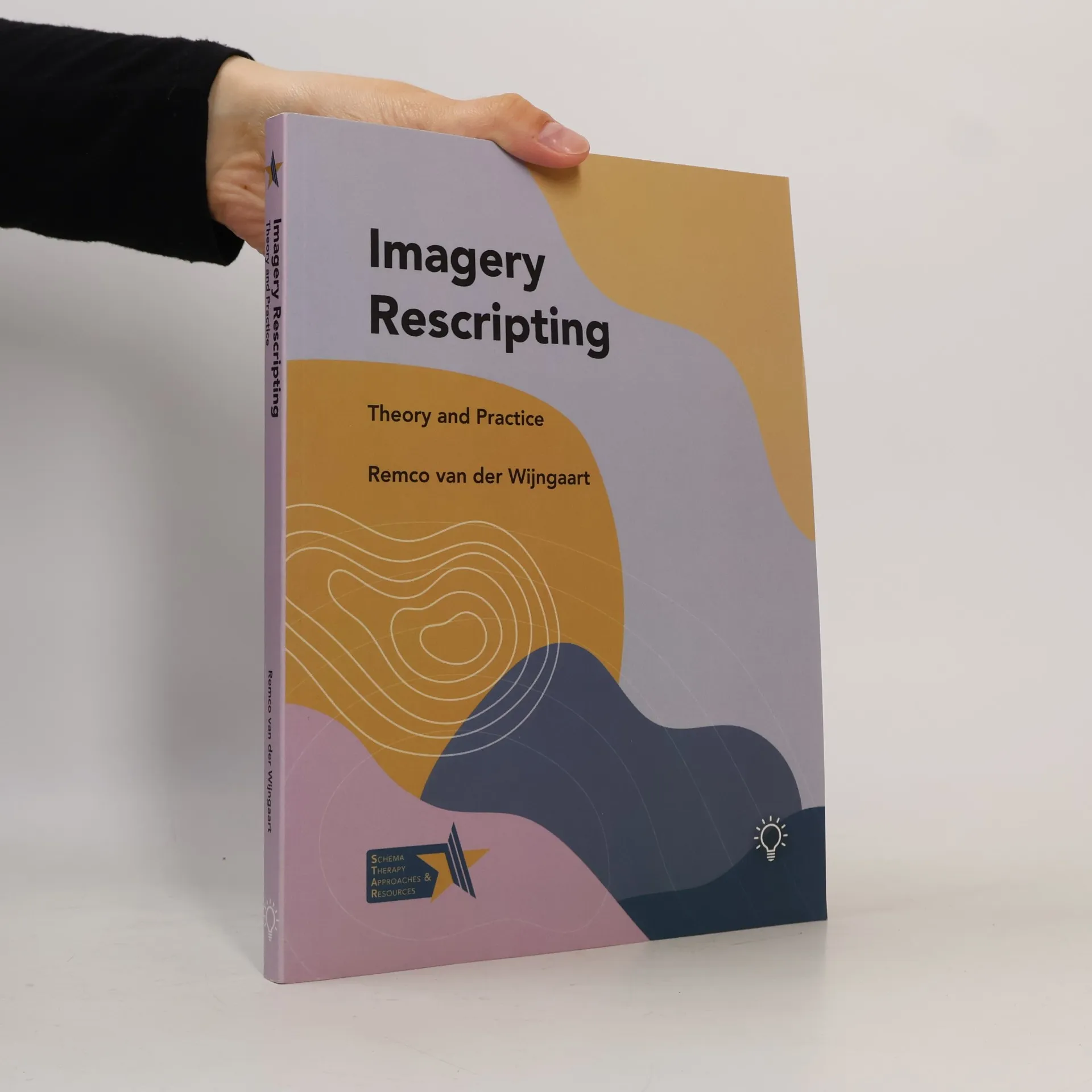
Imagery Rescripting
Theory and Practice
Autoři
Více o knize
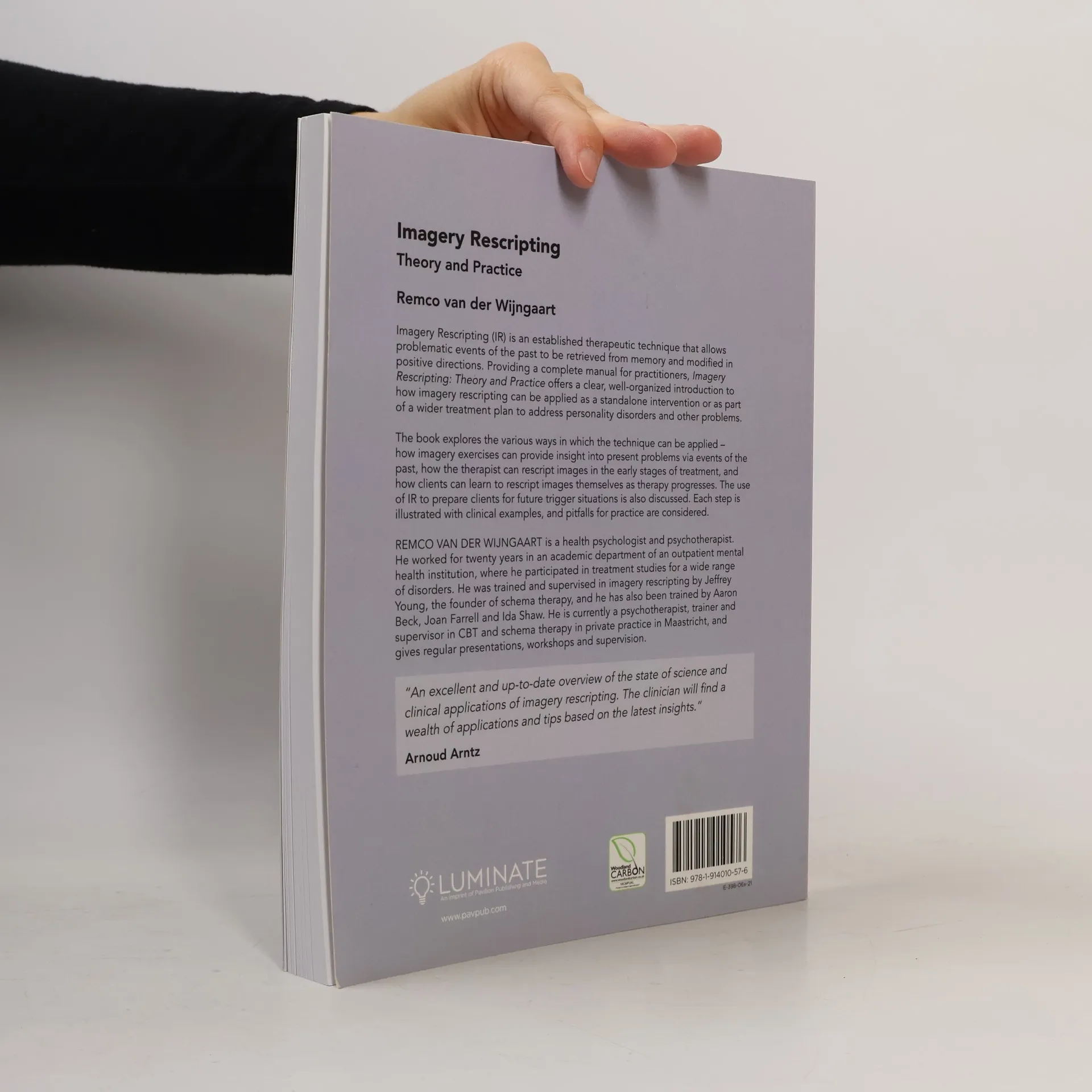
Imagery Rescripting, Theory and Practice is a complete manual for practitioners and offers a clear and well-organized introduction to how IR can be applied in the treatment of personality disorders and other problems. Imagery rescripting (IR) is a therapeutic technique that allows problematic events to be retrieved from memory and modified in positive directions. It explores the various ways in which the technique can be utilised – how imagery exercises can provide insight into present problems via events of the past, how the therapist can rescript images in the early stages of treatment, and how clients can learn to rescript images themselves as the therapy progresses. The use of IR to prepare clients for future trigger situations is also discussed. Each step is illustrated with examples from practice, and a number of clinical pitfalls are considered – including clients who cannot create images, clients with a critical attitude, and clients who struggle with feelings of guilt during the rescripting process.
Nákup knihy
Imagery Rescripting, Remco van der Wijngaart
- Jazyk

- Rok vydání
- 2021
- Vazba
- (měkká)
Doručení
Platební metody
Nikdo zatím neohodnotil.
- Titul
- Imagery Rescripting
- Podtitul
- Theory and Practice
- Jazyk
- anglicky
- Autoři
- Remco van der Wijngaart
- Vydavatel
- Pavilion Publishing and Media Ltd
- Rok vydání
- 2021
- Vazba
- měkká
- Počet stran
- 220
- ISBN10
- 1914010574
- ISBN13
- 9781914010576
- Série
- Štítky
- Psychologická tématika, Psychoterapie, Vývoj, Klinická psychologie, Kolaborace, Hraniční porucha osobnosti
- Anotace
- Imagery Rescripting, Theory and Practice is a complete manual for practitioners and offers a clear and well-organized introduction to how IR can be applied in the treatment of personality disorders and other problems. Imagery rescripting (IR) is a therapeutic technique that allows problematic events to be retrieved from memory and modified in positive directions. It explores the various ways in which the technique can be utilised – how imagery exercises can provide insight into present problems via events of the past, how the therapist can rescript images in the early stages of treatment, and how clients can learn to rescript images themselves as the therapy progresses. The use of IR to prepare clients for future trigger situations is also discussed. Each step is illustrated with examples from practice, and a number of clinical pitfalls are considered – including clients who cannot create images, clients with a critical attitude, and clients who struggle with feelings of guilt during the rescripting process.