



Více o knize
Clark Moustakas presents a fresh model for integrating dreamwork into humanistically oriented psychotherapy, emphasizing existential-phenomenological approaches that enhance conscious awareness. This model enables individuals in therapy to awaken to their visions, hopes, and dreams, illuminating the internal shadows of consciousness. It invites self-resources for change, fostering self-growth and enriching significant relationships. The Existential Model serves as a detailed guide for effective psychotherapy and is adaptable for interpreting one's own dreams and those of clients. Through existential awareness and reflective thinking, readers are encouraged to confront challenges and paradoxes that link dreams to waking life, revealing creative possibilities for work and living. The text illustrates the existential approach through phenomenological interviewing, descriptive analysis, and core theme exploration, all of which embrace the self. Existential philosophy acknowledges the mystery of the unknown and asserts that, despite past suffering, potentials for health and well-being are attainable. The model provides practical methodologies and guides for achieving these goals, helping individuals move beyond the constraints of misguided identity expression. Central to this process is the individual as the catalyst for decision and action, maintaining control over their destiny. The therapist's care and competency evoke awarene
Nákup knihy
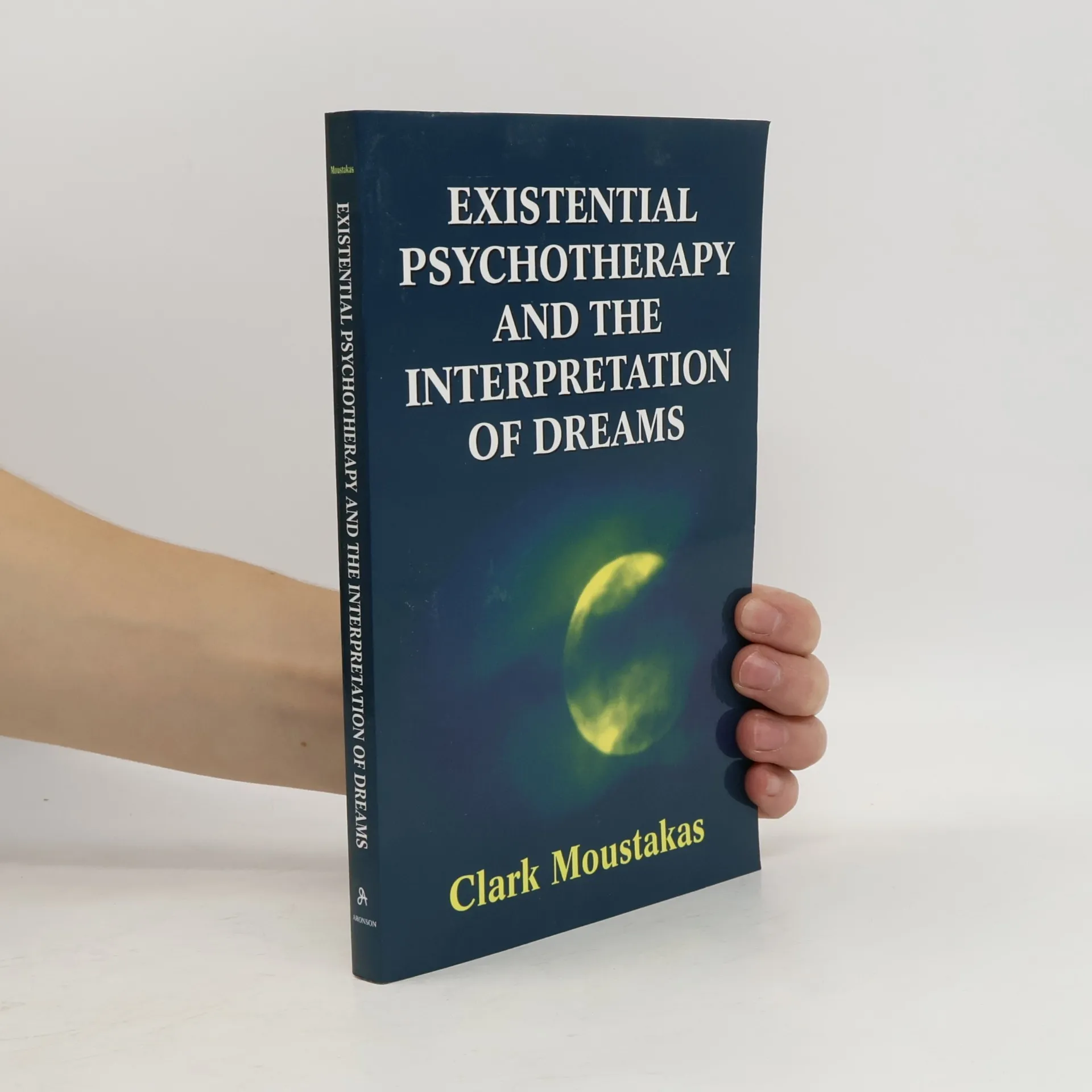
Existential Psychotherapy and the Interpretation of Dreams, Clark E. Moustakas
- Jazyk

- Rok vydání
- 1994
- Vazba
- (měkká),
- Stav knihy
- Dobrá
- Cena
- 1 049 Kč
Nikdo zatím neohodnotil.
- Titul
- Existential Psychotherapy and the Interpretation of Dreams
- Jazyk
- anglicky
- Autoři
- Clark E. Moustakas
- Vydavatel
- Jason Aronson, Inc.
- Rok vydání
- 1994
- Vazba
- měkká
- Počet stran
- 232
- ISBN10
- 1568217714
- ISBN13
- 9781568217710
- Série
- Štítky
- Psychologická tématika, USA, Psychoterapie, Sny, Behaviorismus
- Anotace
- Clark Moustakas presents a fresh model for integrating dreamwork into humanistically oriented psychotherapy, emphasizing existential-phenomenological approaches that enhance conscious awareness. This model enables individuals in therapy to awaken to their visions, hopes, and dreams, illuminating the internal shadows of consciousness. It invites self-resources for change, fostering self-growth and enriching significant relationships. The Existential Model serves as a detailed guide for effective psychotherapy and is adaptable for interpreting one's own dreams and those of clients. Through existential awareness and reflective thinking, readers are encouraged to confront challenges and paradoxes that link dreams to waking life, revealing creative possibilities for work and living. The text illustrates the existential approach through phenomenological interviewing, descriptive analysis, and core theme exploration, all of which embrace the self. Existential philosophy acknowledges the mystery of the unknown and asserts that, despite past suffering, potentials for health and well-being are attainable. The model provides practical methodologies and guides for achieving these goals, helping individuals move beyond the constraints of misguided identity expression. Central to this process is the individual as the catalyst for decision and action, maintaining control over their destiny. The therapist's care and competency evoke awarene