

Více o knize
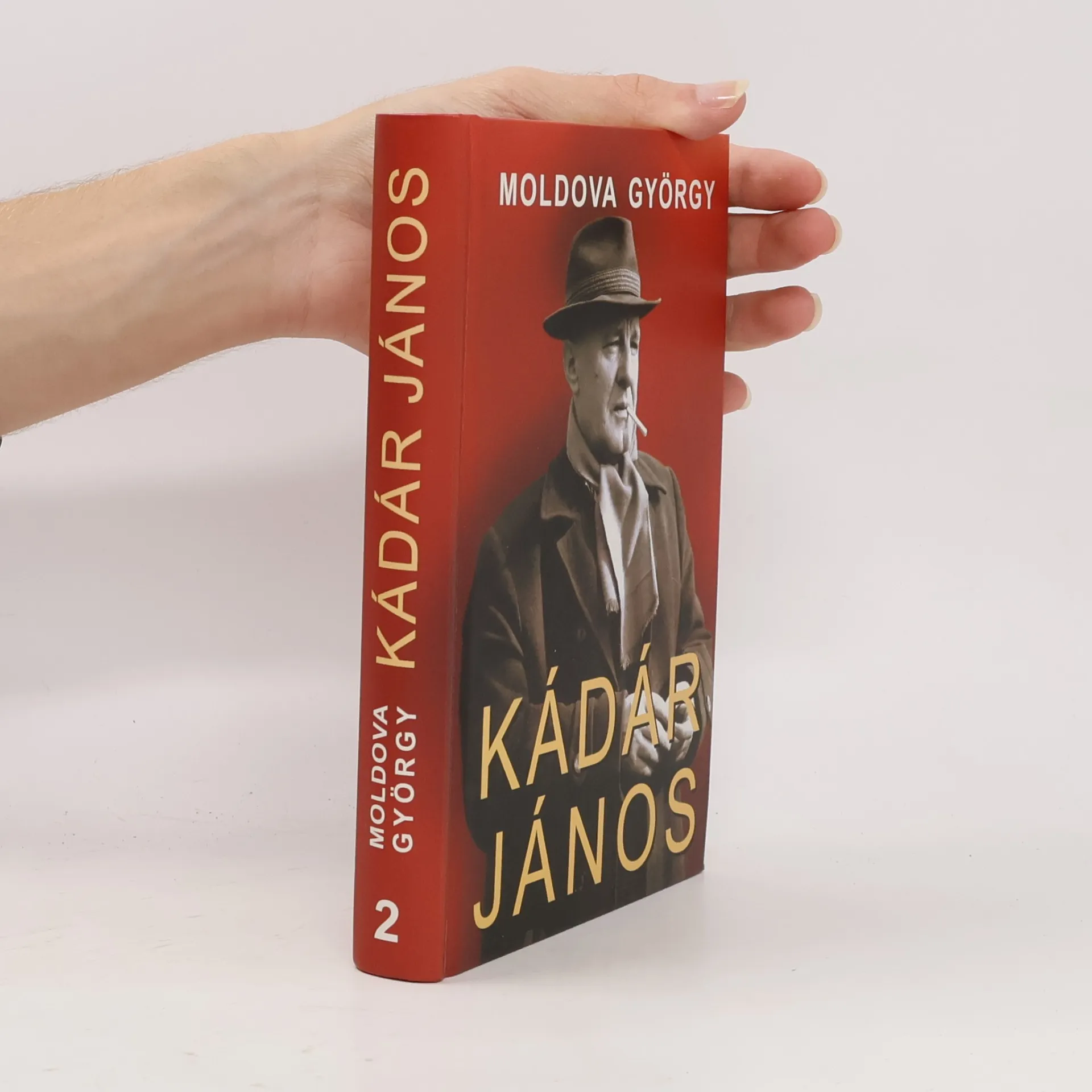
Kádár János 1 & 2. kötet by Moldova György / Urbis könyvkiadó 2006 / Hardcover is a two-volume set exploring the life and political career of János Kádár, a significant figure in Hungarian history. The author reflects on how his perception of Kádár evolved over time, beginning from a point where he was unaware of Kádár's existence. In 1952, while studying at the Színház- és Filmművészeti Főiskola, Kádár was imprisoned, labeled a "revealed traitor." He remained incarcerated until June 1953, when political changes began following Stalin's death and the announcement of Nagy Imre's reform program. This moment marked a profound disillusionment for the author, who had previously been a staunch supporter of the socialist regime that enabled his education and ascent to the intellectual elite. The book delves into Kádár's 32-year leadership of Hungary, detailing the complexities of his governance and the socio-political landscape of the time. Kádár's tenure, which lasted until his retirement in 1988, is presented through personal anecdotes and historical context, offering insights into the impact of his policies on Hungarian society and the author's own life.
Nákup knihy
Kádár János, Moldova György
- Jazyk

- Rok vydání
- 2006
- Vazba
- (pevná),
- Stav knihy
- Dobrá
- Cena
- 309 Kč
Nikdo zatím neohodnotil.
- Titul
- Kádár János
- Jazyk
- maďarsky
- Autoři
- Moldova György
- Vydavatel
- Urbis
- Rok vydání
- 2006
- Vazba
- pevná
- Počet stran
- 462
- ISBN10
- 9639706000
- ISBN13
- 9789639706002
- Série
- Kategorie
- Štítky
- Anotace
- Kádár János 1 & 2. kötet by Moldova György / Urbis könyvkiadó 2006 / Hardcover is a two-volume set exploring the life and political career of János Kádár, a significant figure in Hungarian history. The author reflects on how his perception of Kádár evolved over time, beginning from a point where he was unaware of Kádár's existence. In 1952, while studying at the Színház- és Filmművészeti Főiskola, Kádár was imprisoned, labeled a "revealed traitor." He remained incarcerated until June 1953, when political changes began following Stalin's death and the announcement of Nagy Imre's reform program. This moment marked a profound disillusionment for the author, who had previously been a staunch supporter of the socialist regime that enabled his education and ascent to the intellectual elite. The book delves into Kádár's 32-year leadership of Hungary, detailing the complexities of his governance and the socio-political landscape of the time. Kádár's tenure, which lasted until his retirement in 1988, is presented through personal anecdotes and historical context, offering insights into the impact of his policies on Hungarian society and the author's own life.