

Více o knize
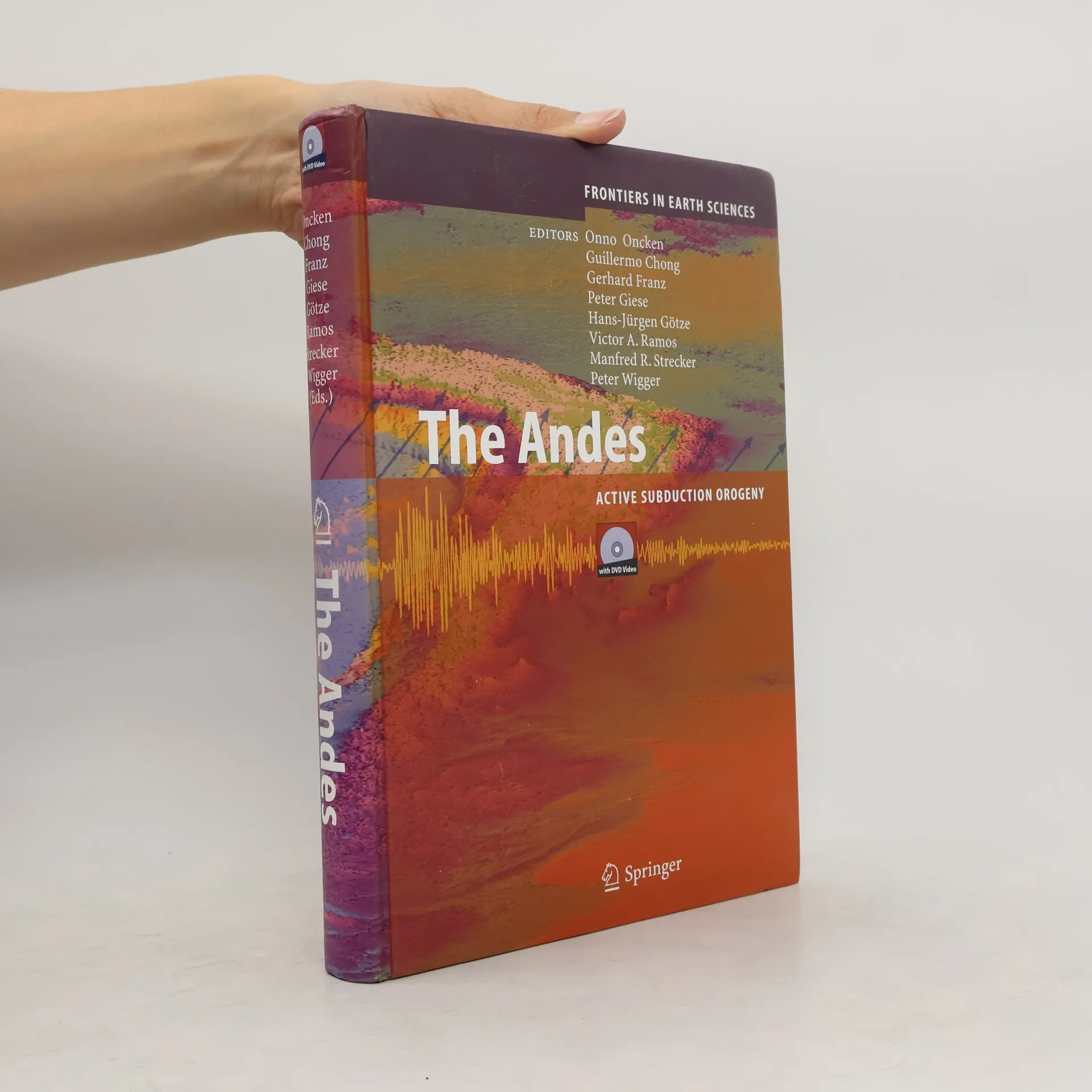
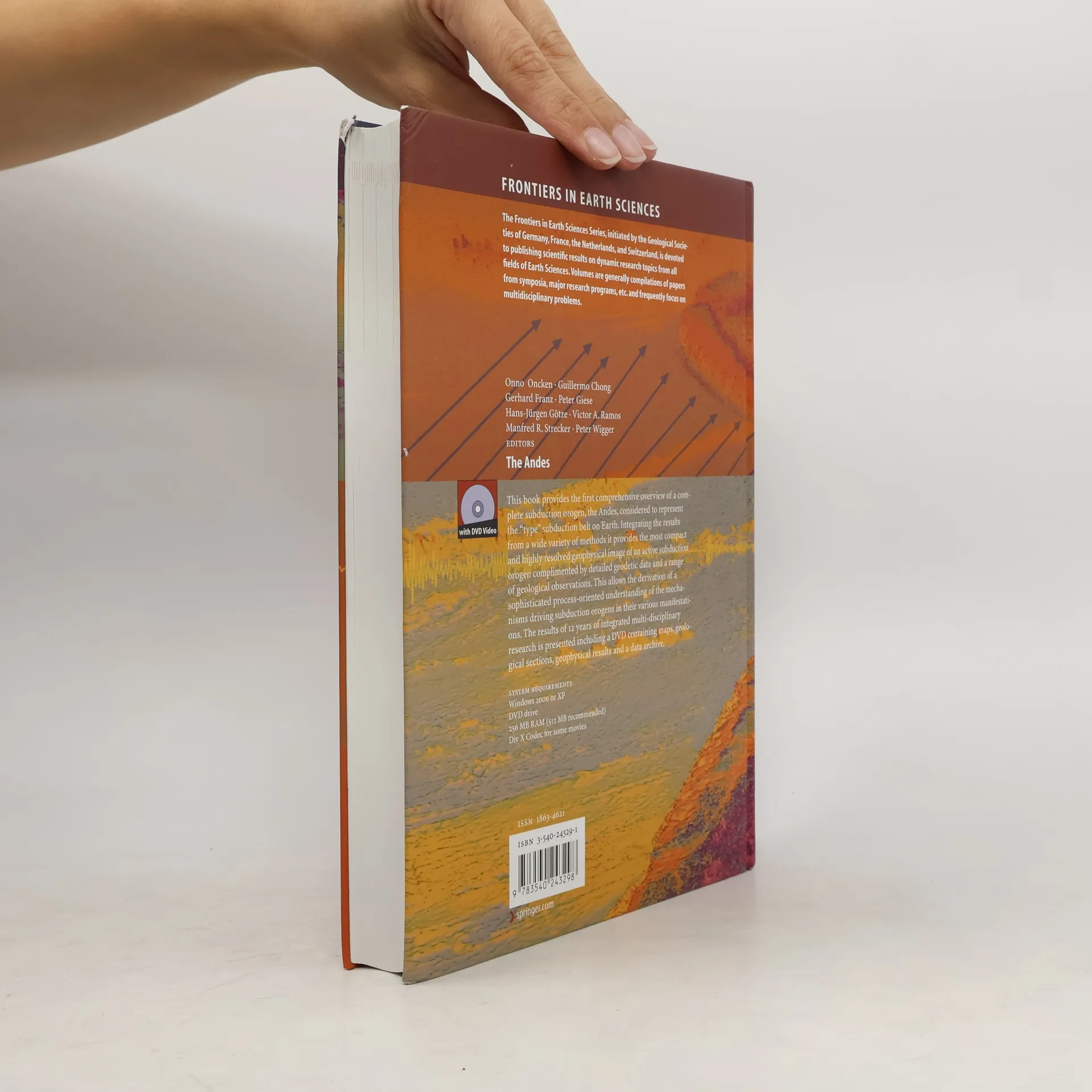
Convergent plate margins and subduction zones are first order features shaping the Earth. Convergent continental margins combine the majority of processes that affect the internal architecture thermal and geochemical character of continental lith- phere. In addition, the close relationships between active deformation and uplift, m- matism and associated crustal growth, ore formation, the release of more than 90% of global seismic energy at convergent margins, make these plate boundaries imp- tant natural laboratories where mass and energy flux rates can be studied at various scales. Since the advent of plate tectonic theory, it has been recognized that all of these phenomena are intimately related and often governed by feedback mechanisms. Accordingly, subduction orogeny has become an international, high-priority theme in process-oriented, earth-system analysis. In this context, Dewey and Bird (1970) have defined the Andes as the type representative for orogeny and associated p- cessesat convergent margins in their benchmark paper. The Andes, therefore, p- vide an excellent natural laboratory for studying the above processes.
Nákup knihy
Frontiers in Earth Sciences: The Andes, Onno Oncken, Guillermo Chong, Gerhard Franz, Peter Giese, Hans-Jürgen Götze, Victor A. Ramos, Manfred R. Strecker, Peter Wigger
- Jazyk

- Rok vydání
- 2006
- Vazba
- (pevná),
- Stav knihy
- Dobrá
- Cena
- 1 799 Kč
Doručení
Platební metody
Nikdo zatím neohodnotil.
- Titul
- Frontiers in Earth Sciences: The Andes
- Podtitul
- Active Subduction Orogeny
- Jazyk
- anglicky
- Autoři
- Onno Oncken, Guillermo Chong, Gerhard Franz, Peter Giese, Hans-Jürgen Götze, Victor A. Ramos, Manfred R. Strecker, Peter Wigger
- Vydavatel
- Springer
- Rok vydání
- 2006
- Vazba
- pevná
- Počet stran
- 568
- ISBN10
- 3540243291
- ISBN13
- 9783540243298
- Série
- Kategorie
- Anotace
- Convergent plate margins and subduction zones are first order features shaping the Earth. Convergent continental margins combine the majority of processes that affect the internal architecture thermal and geochemical character of continental lith- phere. In addition, the close relationships between active deformation and uplift, m- matism and associated crustal growth, ore formation, the release of more than 90% of global seismic energy at convergent margins, make these plate boundaries imp- tant natural laboratories where mass and energy flux rates can be studied at various scales. Since the advent of plate tectonic theory, it has been recognized that all of these phenomena are intimately related and often governed by feedback mechanisms. Accordingly, subduction orogeny has become an international, high-priority theme in process-oriented, earth-system analysis. In this context, Dewey and Bird (1970) have defined the Andes as the type representative for orogeny and associated p- cessesat convergent margins in their benchmark paper. The Andes, therefore, p- vide an excellent natural laboratory for studying the above processes.