

Více o knize
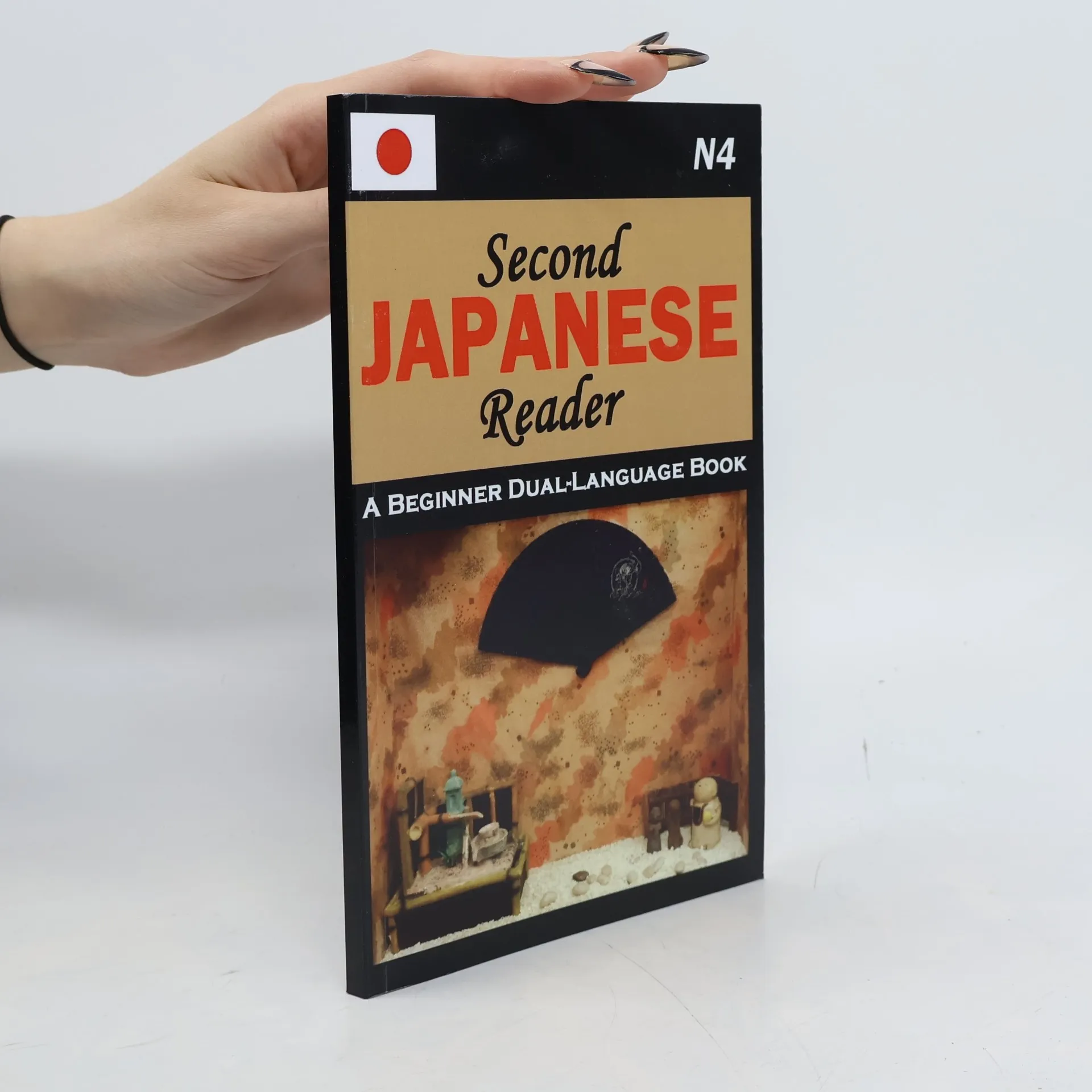
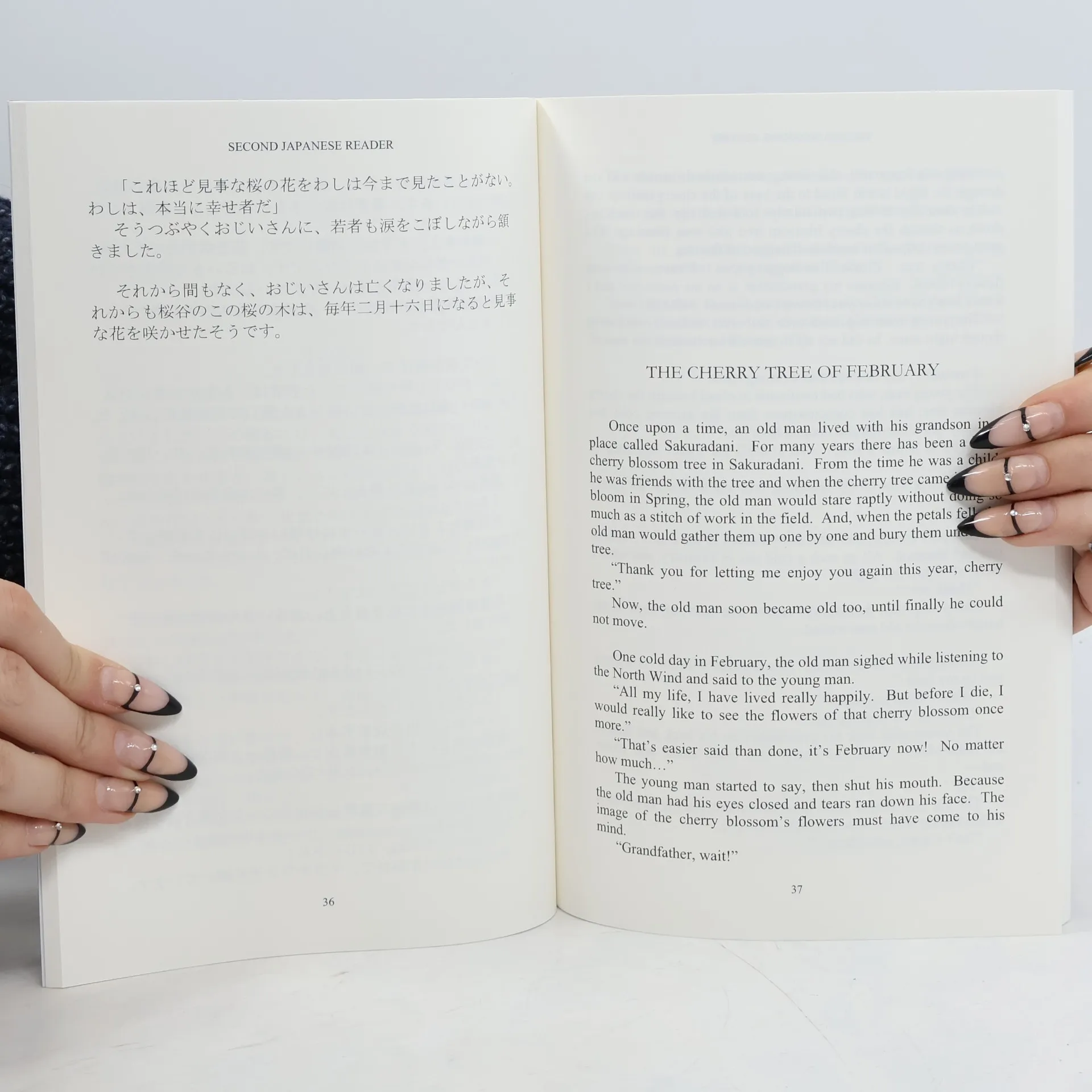
Audio and free lessons can be found on the Learn Japanese YouTube channel. To make language learning logical and simple, textbooks often feature dull reading material and neglect the writing style of novels and short stories. Consequently, even intermediate Japanese students may struggle with literature. This book aims to bridge that gap, helping students engage with authentic Japanese literature while solidifying grammar from level N4 of the Japanese Language Proficiency Test and introducing some N3 grammar. The stories, based on Japanese folklore, are written in an accessible manner using common vocabulary. Each story is presented in Japanese followed by a literal English translation to aid understanding. The text is divided into sections where new words are defined, and grammar explanations are provided. However, extremely common words and grammar covered in the first book are not defined again. As the stories progress in difficulty, readers are encouraged to read them in order. To prepare for intermediate-level reading, the final story does not include a translation, but all grammar has been previously covered, and a vocabulary section is included.
Nákup knihy
Second Japanese Reader,
- Jazyk

- Rok vydání
- 2019
- Vazba
- (měkká),
- Stav knihy
- Velmi dobrá
- Cena
- 119 Kč
Nikdo zatím neohodnotil.
- Titul
- Second Japanese Reader
- Jazyk
- anglicky
- Autoři
- Vydavatel
- Independently published
- Rok vydání
- 2019
- Vazba
- měkká
- Počet stran
- 109
- ISBN10
- 179527123X
- ISBN13
- 9781795271233
- Série
- Anotace
- Audio and free lessons can be found on the Learn Japanese YouTube channel. To make language learning logical and simple, textbooks often feature dull reading material and neglect the writing style of novels and short stories. Consequently, even intermediate Japanese students may struggle with literature. This book aims to bridge that gap, helping students engage with authentic Japanese literature while solidifying grammar from level N4 of the Japanese Language Proficiency Test and introducing some N3 grammar. The stories, based on Japanese folklore, are written in an accessible manner using common vocabulary. Each story is presented in Japanese followed by a literal English translation to aid understanding. The text is divided into sections where new words are defined, and grammar explanations are provided. However, extremely common words and grammar covered in the first book are not defined again. As the stories progress in difficulty, readers are encouraged to read them in order. To prepare for intermediate-level reading, the final story does not include a translation, but all grammar has been previously covered, and a vocabulary section is included.