

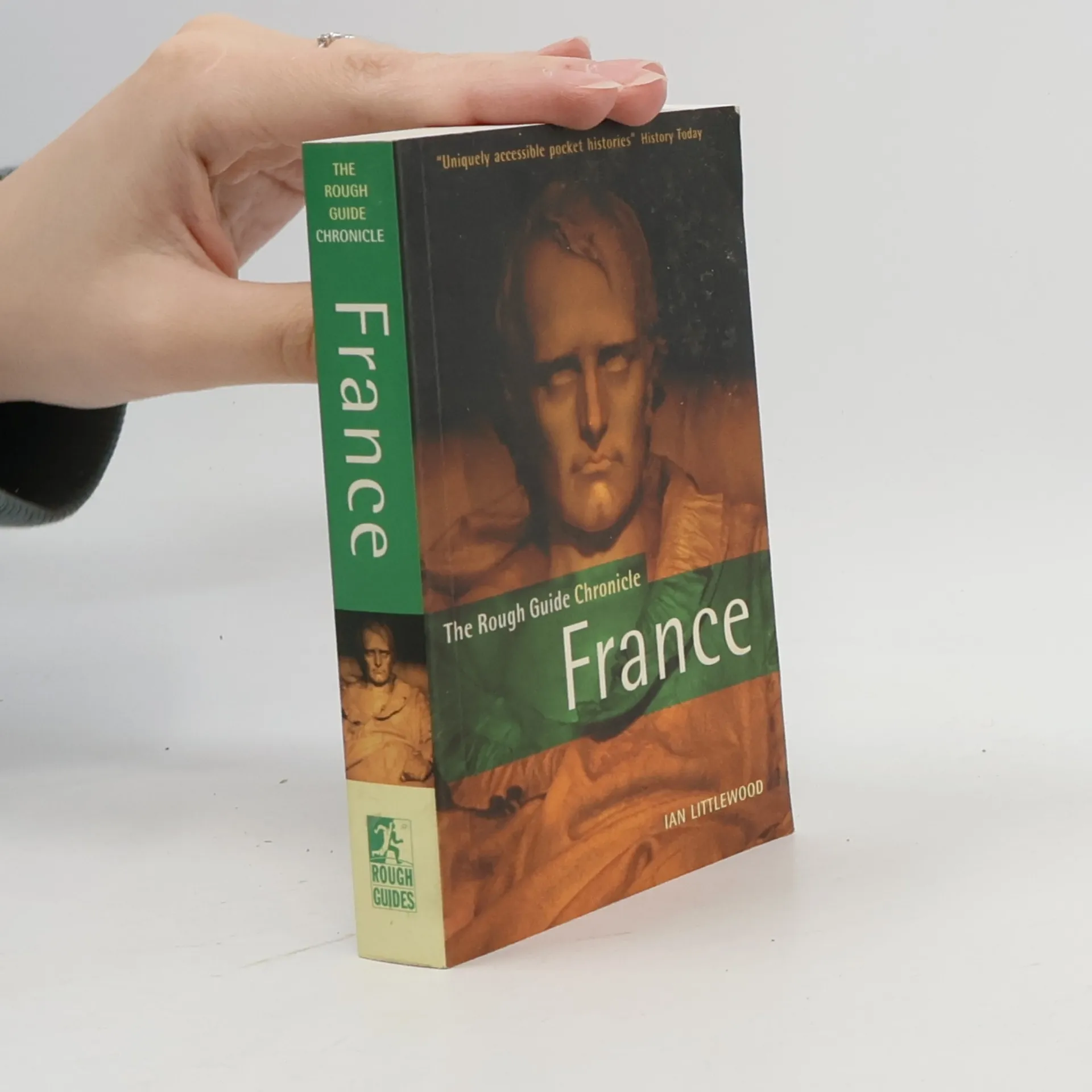


The Rough Guide History of France
Autoři
Více o knize
France, rich in wood, water, and stone, has long relied on its diverse landscapes and climates to support a robust agricultural economy. Its roughly hexagonal shape stretches from the North Sea to the Mediterranean, blending northern and southern traits that have intrigued and perplexed its neighbors, particularly the English. The historical narrative often begins with Clovis, who established a Frankish kingdom in Gaul, but it is only after centuries of Merovingian and Carolingian rule that modern France begins to take shape. The establishment of Capetian sovereignty marks a significant turning point, leading to a nation that, despite the ravages of the Hundred Years’ War, sought expansion and faced internal strife under the Bourbon dynasty. This tumultuous period culminated in the Revolution, followed by Napoléon’s fleeting empire and a century marked by restoration and republic. Despite the turmoil of two world wars and colonial challenges, France emerged confidently by the end of the 20th century, celebrated for its cultural heritage. While political history often dominates the narrative, the true impact of France lies in its cultural contributions—from troubadour poetry to revolutionary ideas of the Enlightenment. Writers like Montesquieu, Diderot, and Voltaire have shaped modern thought, reflecting France's enduring cultural influence. This pride in cultural preeminence has fostered a distinct national identity, as exemp
Nákup knihy
The Rough Guide History of France, Ian Littlewood
- Jazyk

- Rok vydání
- 2002
- Vazba
- (měkká)
Doručení
Platební metody
Nikdo zatím neohodnotil.
- Titul
- The Rough Guide History of France
- Jazyk
- anglicky
- Autoři
- Ian Littlewood
- Vydavatel
- Rough Guides
- Rok vydání
- 2002
- Vazba
- měkká
- Počet stran
- 396
- ISBN10
- 1858288266
- ISBN13
- 9781858288260
- Série
- Kategorie
- Štítky
- Historické téma, Cestování, Příručky a návody, Francie, Evropa, Historie Evropy, Západní Evropa
- Anotace
- France, rich in wood, water, and stone, has long relied on its diverse landscapes and climates to support a robust agricultural economy. Its roughly hexagonal shape stretches from the North Sea to the Mediterranean, blending northern and southern traits that have intrigued and perplexed its neighbors, particularly the English. The historical narrative often begins with Clovis, who established a Frankish kingdom in Gaul, but it is only after centuries of Merovingian and Carolingian rule that modern France begins to take shape. The establishment of Capetian sovereignty marks a significant turning point, leading to a nation that, despite the ravages of the Hundred Years’ War, sought expansion and faced internal strife under the Bourbon dynasty. This tumultuous period culminated in the Revolution, followed by Napoléon’s fleeting empire and a century marked by restoration and republic. Despite the turmoil of two world wars and colonial challenges, France emerged confidently by the end of the 20th century, celebrated for its cultural heritage. While political history often dominates the narrative, the true impact of France lies in its cultural contributions—from troubadour poetry to revolutionary ideas of the Enlightenment. Writers like Montesquieu, Diderot, and Voltaire have shaped modern thought, reflecting France's enduring cultural influence. This pride in cultural preeminence has fostered a distinct national identity, as exemp